
The cheapest curtain wall profile in the Persian Gulf countries
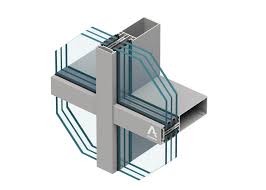
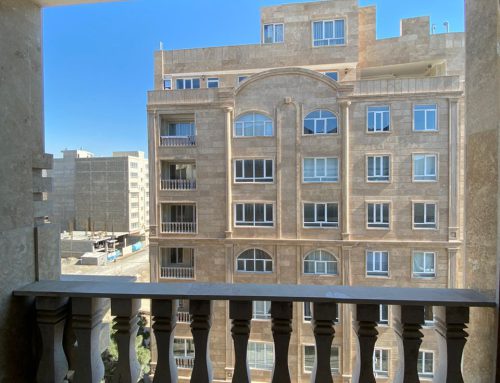
The construction industry in the Persian Gulf countries is booming, driven by rapid urban development and the demand for high-rise buildings, commercial centers, and iconic architectural projects. One essential component of modern architecture is the curtain wall system—a non-structural cladding that is used to cover the exterior of buildings. The choice of curtain wall profile significantly impacts the cost, aesthetics, and performance of a building. For developers, finding the cheapest curtain wall profile while ensuring quality and compliance with local standards is crucial.
In this article, we explore the factors that influence the price of curtain wall profiles in the Persian Gulf region and identify the most cost-effective options available for construction projects.
Understanding Curtain Wall Systems
A curtain wall is a thin, typically aluminum-framed exterior that holds glass, metal panels, or stone cladding. Its main function is to protect the building from weather conditions, while also contributing to energy efficiency, acoustics, and aesthetics. Curtain wall systems are designed to be lightweight and non-load bearing, which is why they are widely used in the construction of modern high-rise buildings.
Curtain wall profiles can be categorized into several types:
- Stick-built systems: Components are fabricated on-site, providing flexibility in design and installation.
- Unitized systems: Prefabricated panels are assembled in a factory and then installed on-site, speeding up construction time and reducing labor costs.
- Structural glazing: A more advanced system where the glass panels are directly bonded to the framework, offering a sleek, modern look.
The choice between these systems depends on project requirements, budget, and time constraints.
Factors Influencing Curtain Wall Profile Costs in the Persian Gulf
The cost of curtain wall profiles in the Persian Gulf region is influenced by several key factors:
- Material Quality and Type:
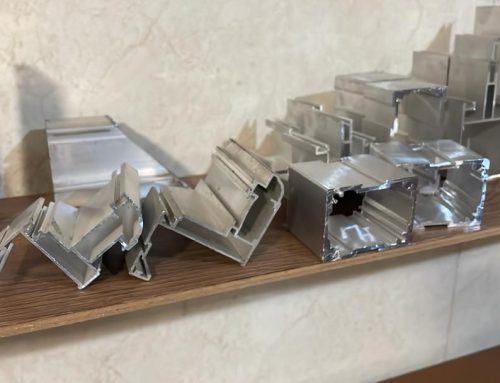
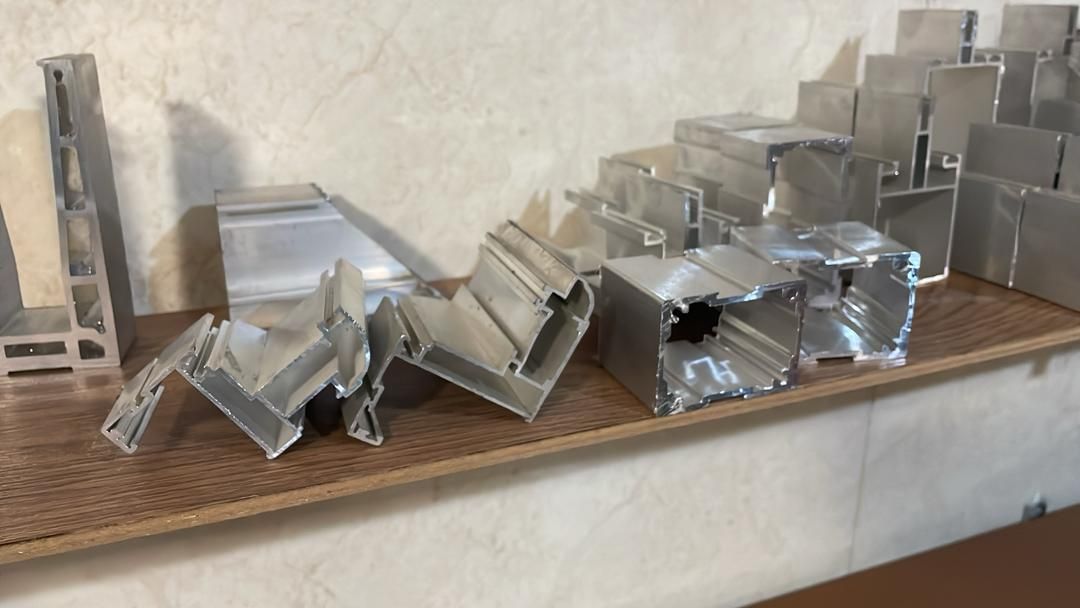
- Aluminum: Most curtain wall systems use aluminum frames, as it is lightweight, corrosion-resistant, and durable. Aluminum profiles come in various grades and finishes, which directly affect the cost. High-quality aluminum profiles with advanced coatings (e.g., anodized or powder-coated) are more expensive but offer better performance and longer service life.
- Glass and Cladding Materials: The choice of glass (single, double-glazed, or insulating glass units) or cladding material (such as stone, metal, or composite panels) will influence the overall cost. High-performance glazing systems that offer better thermal insulation and soundproofing can increase the price.
- System Type:
- Stick-built systems tend to be cheaper compared to unitized systems due to their on-site fabrication process. However, they may result in longer installation times and higher labor costs.
- Unitized systems, while more expensive initially, can offer significant savings in terms of labor costs and time. These systems are ideal for large-scale projects where speed is essential.
- Structural glazing systems typically come at a premium due to the technology involved in bonding the glass to the frame.
- Location and Logistics:
- The costs of transportation, taxes, and import duties in the Persian Gulf countries can also impact curtain wall prices. While countries like the UAE, Qatar, and Saudi Arabia have established construction industries and readily available materials, the cost of transporting raw materials from international suppliers may add to the final price.
- Labor and Installation Costs:
- Labor costs can vary significantly between the Gulf countries. The UAE and Qatar often have higher labor costs due to the demand for skilled workers and the prevalence of large-scale, high-end projects. Conversely, Saudi Arabia and Oman may offer slightly lower labor rates, though the differences may be negligible for large projects.
- Building Specifications:
- The complexity of the building design, the size of the curtain wall area, and the level of customization required (e.g., curved or complex shapes) can all influence the final cost. Simpler, standardized curtain wall profiles will generally be more affordable.
The Cheapest Curtain Wall Profiles in the Persian Gulf
When considering the cheapest curtain wall profiles in the Persian Gulf, the following options are typically the most cost-effective:
- Standard Aluminum Stick Systems:
- Price: Generally the cheapest option, stick systems consist of vertical and horizontal profiles that are assembled on-site.
- Advantages: Cost-effective, customizable, and relatively easy to install. Suitable for small to medium-sized buildings where time is not as critical.
- Disadvantages: Longer installation time compared to unitized systems.
- Basic Unitized Systems:
- Price: While unitized systems are generally more expensive than stick-built systems, opting for a basic unitized design with fewer features (such as standard aluminum frames and glazing) can keep costs down.
- Advantages: Faster installation time, reduced labor costs, and high-quality finish.
- Disadvantages: Higher initial costs, especially for high-performance glazing options.
- Single Glazed Curtain Walls:
- Price: Single-glazed curtain walls are typically the least expensive, though they provide lower thermal and acoustic insulation compared to double-glazed units.
- Advantages: Lower upfront cost and simple design.
- Disadvantages: Less energy-efficient, not suitable for extreme climates, and higher long-term operating costs due to poor insulation.
- Non-Insulated Metal Panels:
- Price: For projects with less emphasis on energy efficiency, using non-insulated metal panels instead of high-performance glazing systems can lower costs significantly.
- Advantages: Cost-effective, durable, and visually appealing for certain architectural styles.
- Disadvantages: Poor thermal insulation and energy efficiency.
Long-Term Considerations for Curtain Wall Selection
While focusing on immediate costs is important, it’s essential to also evaluate the long-term performance and maintenance requirements of the chosen curtain wall profile. The Persian Gulf’s extreme climate—characterized by high temperatures, humidity, and sandstorms—can place significant stress on building facades. As a result, opting for cheaper curtain wall profiles may lead to higher maintenance costs or decreased energy efficiency over time.
Here are several long-term factors to consider when choosing a curtain wall system:
- Durability:
- Corrosion Resistance: The salty air, especially near coastal areas in the Gulf, can accelerate corrosion of materials such as aluminum and steel. Low-cost curtain wall profiles may use materials with lower corrosion resistance, leading to higher maintenance costs for cleaning, repainting, or replacing parts.
- Weathering and Fading: In regions with intense sunlight, the exterior cladding and frames can degrade over time. Investing in higher-quality, weather-resistant finishes such as anodized aluminum or powder-coated profiles may have higher initial costs but provide better long-term durability, reducing the need for frequent repairs.
- Energy Efficiency:
- Thermal Insulation: As energy prices increase and sustainability becomes a larger concern, selecting a curtain wall system with good thermal insulation properties is essential. Single-glazed systems or low-quality glazing profiles may initially be cheaper but lead to higher cooling costs, particularly in the hot and humid Gulf climate.
- Double or Triple Glazing: While these systems cost more upfront, they offer substantial savings over time by improving energy efficiency. High-performance glazing can also contribute to reduced carbon emissions, aligning with the growing trend of green building certifications and sustainability goals in the region.
- Maintenance Requirements:
- Cleaning and Repairs: Gulf cities like Dubai, Abu Dhabi, Doha, and Riyadh experience frequent sandstorms and high dust accumulation, which means curtain walls are exposed to regular cleaning needs. Low-quality profiles may accumulate dirt more quickly or require more intensive cleaning methods, increasing ongoing maintenance costs.
- Sealing and Caulking: Inadequate sealing or inferior profile materials can lead to leaks and water damage. These issues are often more prevalent in cheaper systems that don’t include high-quality seals or gaskets, which can significantly impact building integrity over time.
- Aesthetic Considerations:
- Visual Appeal: While low-cost curtain wall profiles can still look attractive, they may not offer the sleek, high-end finish expected in luxury residential and commercial projects. For iconic buildings or high-profile developments, investing in a more premium system can enhance the building’s aesthetic value and reputation.
- Sustainability and Certification:
- Green Building Certifications: Sustainability is a key focus in the Gulf, with many countries adopting stricter environmental regulations. Investing in curtain wall systems with high thermal insulation, reduced embodied energy, and long-term durability can help meet green building certification standards like LEED (Leadership in Energy and Environmental Design) or Estidama (Pearl Rating System) in the UAE.
Conclusion
Finding the cheapest curtain wall profile in the Persian Gulf countries requires balancing material choice, system type, and installation requirements. For cost-effective solutions, standard aluminum stick systems and basic unitized profiles with simple glazing are often the best options. However, for larger projects, the faster installation time of unitized systems may offer more overall savings.
While the cheapest options might help reduce initial costs, it is important to consider long-term performance and maintenance costs, especially in the harsh climate of the Gulf region. Ultimately, selecting the right curtain wall profile should be based on a balance between budget constraints, building performance requirements, and aesthetic preferences.
The cheapest curtain wall profile in the Persian Gulf countries
The cheapest curtain wall profile in the Persian Gulf countries
The cheapest curtain wall profile in the Persian Gulf countries

Leave A Comment