
Terracotta Valid advantages disadvantages

Terracotta, a type of clay pottery, has been used for centuries as a material for creating sculptures, pottery, and other decorative items. It has been a popular choice for its durability and natural beauty. Terracotta is also an eco-friendly material, as it is made from natural clay and can be recycled. However, like any material, there are advantages and disadvantages to using terracotta.
Advantages
Durability: Terracotta is a durable material that can withstand harsh weather conditions. It is also resistant to rot and insects, making it an ideal material for outdoor use.
Low Cost: Terracotta is a relatively inexpensive material compared to other building materials like marble, granite, or concrete. It is also readily available in most parts of the world, making it easy to source.
Eco-friendly: Terracotta is an eco-friendly material, as it is made from natural clay and does not contain any harmful chemicals. It is also biodegradable, which means it can be recycled or reused.
Insulation: Terracotta has insulating properties, which means it can regulate temperature and help reduce energy costs. It is also a good material for sound insulation, making it a popular choice for acoustic panels.

Versatility: Terracotta can be molded into a variety of shapes and sizes, making it a versatile material for creating different types of decorative items. It is also easy to paint or glaze, which allows for a range of creative possibilities.
Disadvantages
Porosity: Terracotta is a porous material, which means it absorbs water and moisture easily. This can make it prone to cracking, especially in areas with freeze-thaw cycles.
Staining: Terracotta is also prone to staining, as it can absorb color from other materials. This can make it difficult to clean and maintain over time.
Fragility: While terracotta is a durable material, it can still be fragile and prone to breaking or cracking. This can make it difficult to use in high-traffic areas or areas where there is a risk of damage.
Maintenance: Terracotta requires regular maintenance to keep it in good condition. This includes cleaning and sealing the material to prevent staining and water damage.
Limited Color Options: Terracotta is a natural material and is limited in terms of color options. While it can be painted or glazed, the natural color of terracotta is earthy and may not suit all design aesthetics.
Applications
Terracotta has a wide range of applications, from decorative pottery to building materials. Some common applications of terracotta include:
Roofing tiles: Terracotta tiles are a popular choice for roofing materials due to their durability and insulating properties.
Flooring: Terracotta tiles are also commonly used for flooring, as they are durable and can withstand heavy foot traffic.
Decorative pottery: Terracotta has been used for centuries to create decorative pottery items like vases, urns, and figurines.
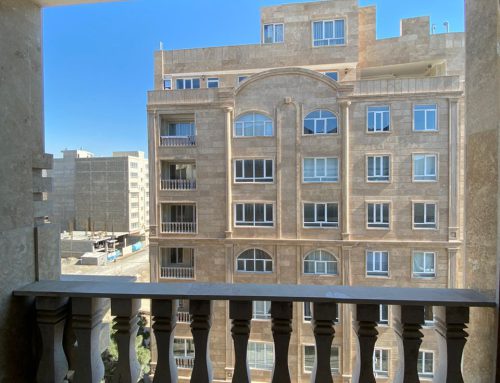
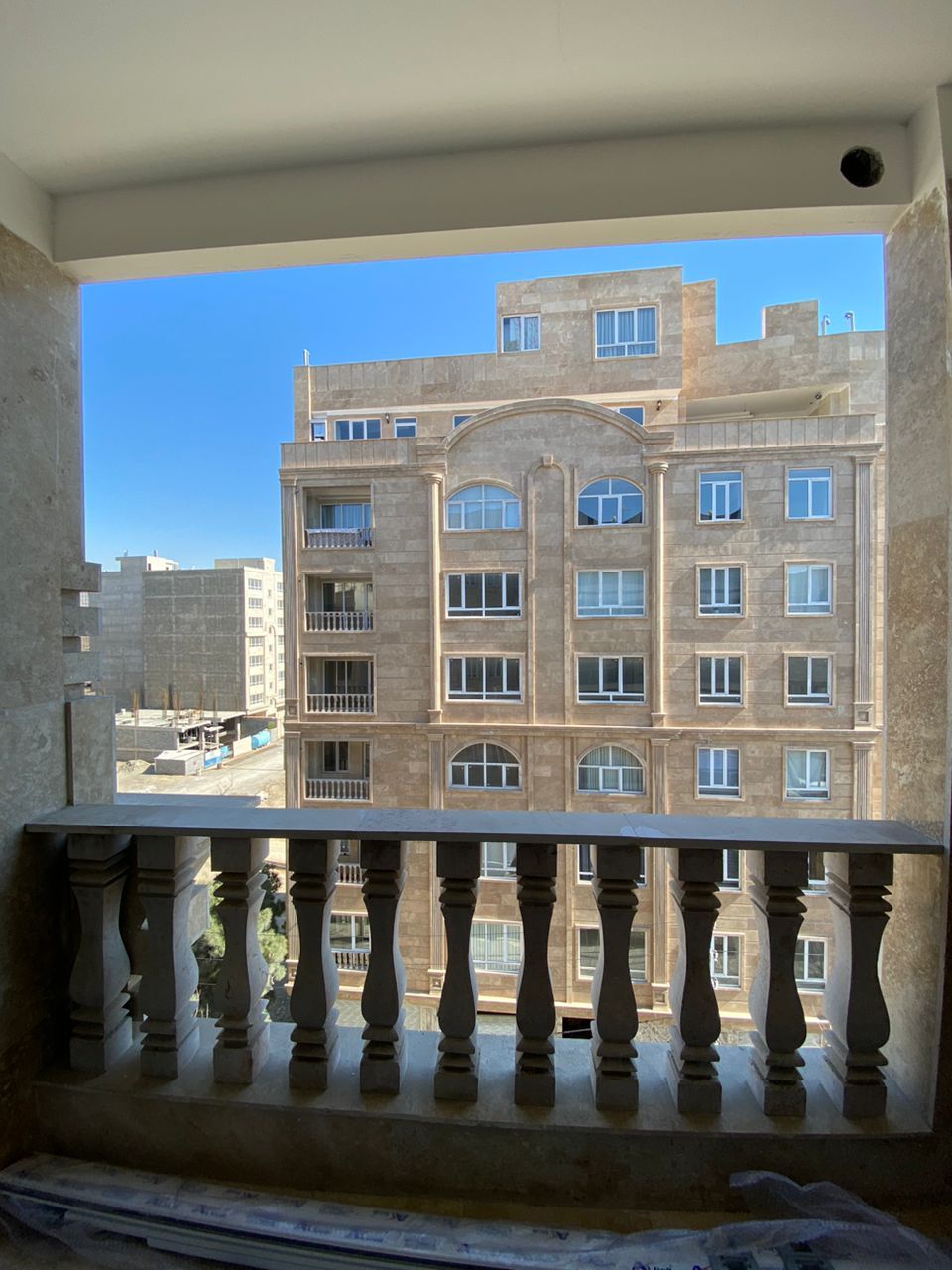
Facades: Terracotta can be used as a facade material for buildings, as it is durable and can be molded into different shapes and sizes.
Acoustic panels: Terracotta is also a popular material for acoustic panels, as it has sound-insulating properties.
Conclusion
Terracotta is a versatile and eco-friendly material that has been used for centuries for its durability and natural beauty. While it has many advantages, such as low cost, insulation, and versatility, it also has some disadvantages, such as porosity, staining, and fragility. However, with proper maintenance and care, terracotta can be a great material for a variety of applications, from decorative pottery to building materials. Its natural earthy color and insulating properties make it a popular choice for roofing, flooring, and facade materials, as well as for acoustic panels.
One of the main advantages of terracotta is its low cost compared to other building materials like marble, granite, or concrete.
Terracotta is also readily available in most parts of the world, making it easy to source. Its low cost and availability have made it a popular material for building homes, especially in developing countries.
Terracotta is also an eco-friendly material, as it is made from natural clay and does not contain any harmful chemicals. It is biodegradable, which means it can be recycled or reused, making it a sustainable option for building materials.
Another advantage of terracotta is its insulation properties.
Terracotta can regulate temperature and help reduce energy costs, making it an energy-efficient material. It is also a good material for sound insulation, making it a popular choice for acoustic panels in recording studios, theaters, and other performance spaces.
However, terracotta is not without its disadvantages. One of the main disadvantages of terracotta is its porosity. Terracotta absorbs water and moisture easily, which can make it prone to cracking, especially in areas with freeze-thaw cycles. This makes it a less ideal material for areas with harsh weather conditions.
Terracotta is also prone to staining, as it can absorb color from other materials. This can make it difficult to clean and maintain over time. It also requires regular maintenance to keep it in good condition, such as cleaning and sealing to prevent staining and water damage.
In terms of design, terracotta has a limited color range compared to other materials. While it can be painted or glazed, the natural color of terracotta is earthy and may not suit all design aesthetics.
However, this can also be seen as an advantage, as the natural color and texture of terracotta can add a rustic and organic feel to a space.
In terms of applications, terracotta has a wide range of uses, from decorative pottery to building materials. Its durability and insulating properties make it a popular choice for roofing, flooring, and facade materials, as well as for acoustic panels. Its versatility also allows it to be molded into a variety of shapes and sizes, making it a popular choice for decorative pottery items like vases, urns, and figurines.
In conclusion, terracotta is a versatile and eco-friendly material that has been used for centuries for its durability and natural beauty. While it has some disadvantages, such as porosity, staining, and fragility, it can still be a great material for a variety of applications with proper maintenance and care. Its low cost, insulation properties, and versatility make it a popular choice for building materials, while its natural color and texture can add a rustic and organic feel to any space.
Terracotta Valid advantages disadvantages
Terracotta Valid advantages disadvantages

Leave A Comment