
Substructure of frameless facade in Kerman project
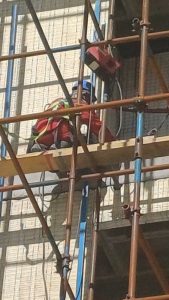
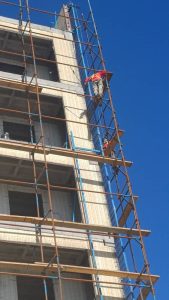
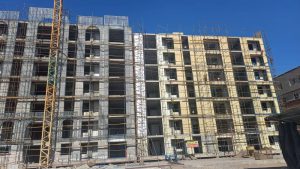
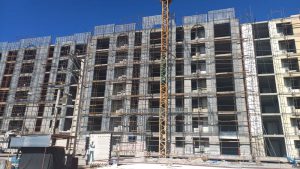
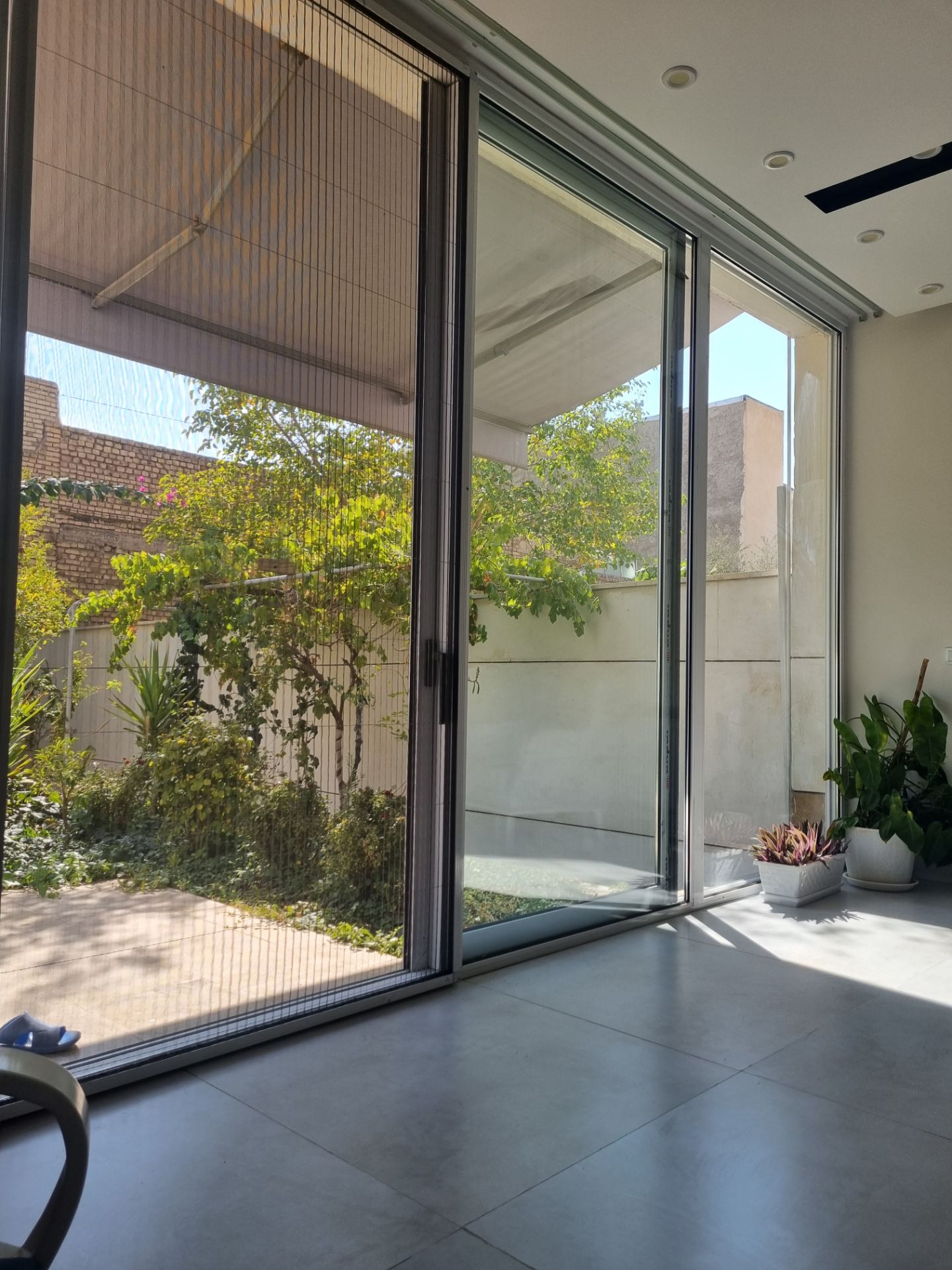
Substructure of frameless facade in Kerman project The frameless facade is one of the most advanced and stylish techniques in architectural design, celebrated for its aesthetic appeal and outstanding functionality. The Valid Aluminum Company project in Sirjan stands as a prime example of implementing this method with meticulous attention to detail and high standards. This type of facade not only enhances the aesthetic value of buildings but also offers practical advantages such as better light penetration and modernized structural design.
Steel Framework: A Robust Foundation for Lasting Stability
The steel framework, as the initial phase of a frameless facade project, serves as the backbone of the entire structure. In this project, corrosion-resistant steel profiles were chosen to ensure the foundational durability of the facade. Advanced tools and precise techniques were employed for cutting and welding these profiles, guaranteeing a flawless framework. The importance of this phase cannot be overstated, as it forms the structural base that supports all subsequent elements of the facade.
The execution team utilized leveling devices and periodic checks to ensure all profiles were installed in their exact positions, creating a perfect base for subsequent stages. This level of precision directly impacted the alignment and overall quality of the final facade. Attention to detail during this stage helped to avoid potential structural issues in the future, emphasizing the project’s focus on long-term durability.
Substructure: Preparing for Glass Installation
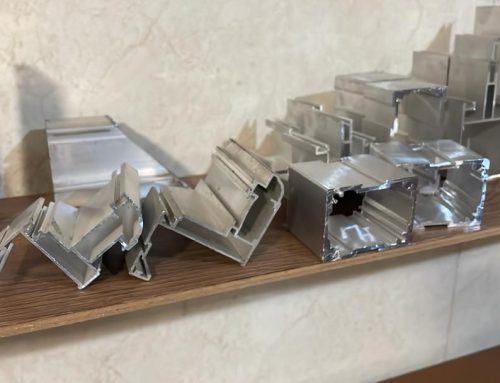
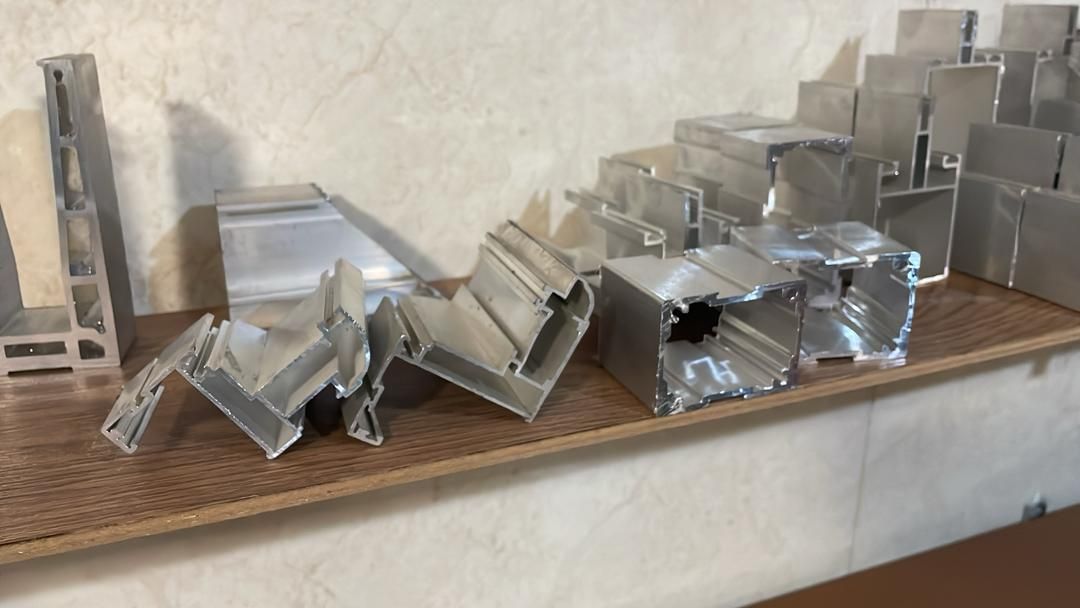
Following the steel framework, the substructure was prepared, which included installing aluminum rails to support the glass panels. For this project, high-quality, lightweight rails were used, offering both strength and ease of installation. These rails were designed to hold the weight of the glass securely while maintaining the sleek, frameless appearance that defines this type of facade.
The substructure was meticulously designed and implemented to securely hold all glass panels in place. The design and execution teams employed advanced software for simulation and validation of substructure details, ensuring complete alignment with the main design. This coordination between design and execution was a key factor in the project’s success. Additionally, the substructure was treated to resist weather conditions, adding an extra layer of durability.
Advanced Techniques and Tools in Execution
One of the standout aspects of this project was the use of cutting-edge tools and techniques. Laser cutting, 3D modeling, and precision measuring devices were just a few of the technologies employed to ensure that every component fit perfectly. These tools not only expedited the construction process but also minimized material waste, aligning with modern sustainable construction practices.
Moreover, the integration of Building Information Modeling (BIM) allowed for seamless collaboration among the project’s various teams. By using BIM, potential design conflicts were identified and resolved during the planning phase, significantly reducing on-site delays.
Key Highlights of the Project
- Unmatched Precision in Measurements: The use of advanced measurement tools minimized potential errors and ensured a perfect fit for every element.
- High-Quality Materials: The steel profiles and aluminum rails used guarantee the facade’s longevity and stability, making it a sustainable choice for years to come.
- Safe and Standard Execution: Adherence to safety protocols throughout the process ensured the well-being of the team and the high quality of the final output.
- Effective Team Collaboration: Regular coordination meetings between design and execution teams prevented issues and ensured seamless progress. Collaboration was further enhanced by the use of digital tools and platforms for real-time communication.
- Aesthetic Excellence: The frameless facade’s sleek design added a modern and sophisticated look to the building, blending functionality with style.
Challenges and Solutions
The frameless facade project for Valid Aluminum Company came with its set of challenges, which were adeptly managed:
- Regional Weather Conditions: Sirjan’s fluctuating temperatures and humidity posed a significant challenge. This was addressed by selecting resistant materials and scheduling work to minimize exposure to harsh conditions. Additionally, special coatings were applied to the glass panels to protect against UV radiation and dust accumulation.
- Complexity of Design: The modern design required high precision in execution. Advanced technologies ensured every detail was executed with the highest quality. The team’s ability to adapt to design changes during the project was a testament to their expertise and flexibility.
- Logistical Issues: Transporting large glass panels and steel components to the site required careful planning. By coordinating with local suppliers and utilizing specialized transport equipment, these logistical challenges were efficiently managed.
Sustainability Considerations
Sustainability was a key focus throughout the project. By selecting durable materials and utilizing energy-efficient production processes, the environmental impact of the construction was minimized. The frameless facade design also contributes to energy efficiency by maximizing natural light penetration, reducing the need for artificial lighting during the day.
Conclusion: A Landmark Achievement
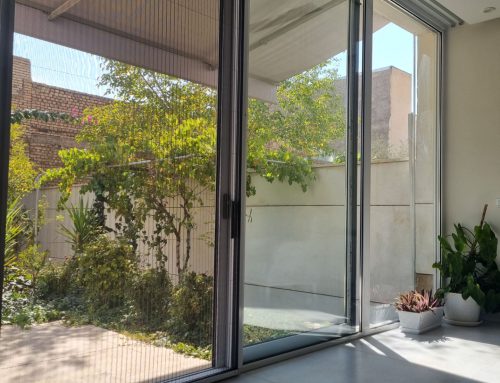
The frameless facade project at Valid Aluminum Company successfully combined elegance, durability, and innovation to create a standout architectural feature. The final facade not only impressed visually but also met high standards of performance and longevity. Its seamless integration of advanced technology, precise execution, and sustainable practices set a new benchmark for similar projects in the region.
This project demonstrated that with meticulous planning, quality materials, and strong teamwork, challenges in modern facade execution can be transformed into opportunities. Valid Aluminum Company, through this achievement, has significantly contributed to advancing contemporary architectural standards. The project’s success not only reflects the company’s commitment to excellence but also serves as an inspiration for future endeavors in modern architectural design.

Leave A Comment