
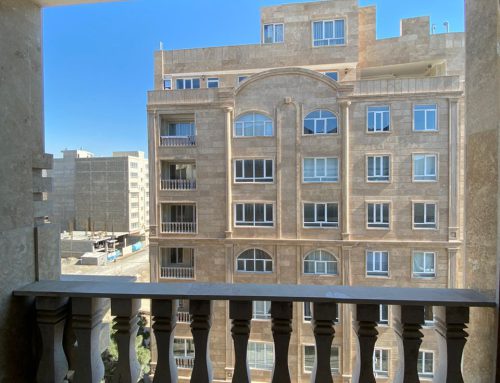
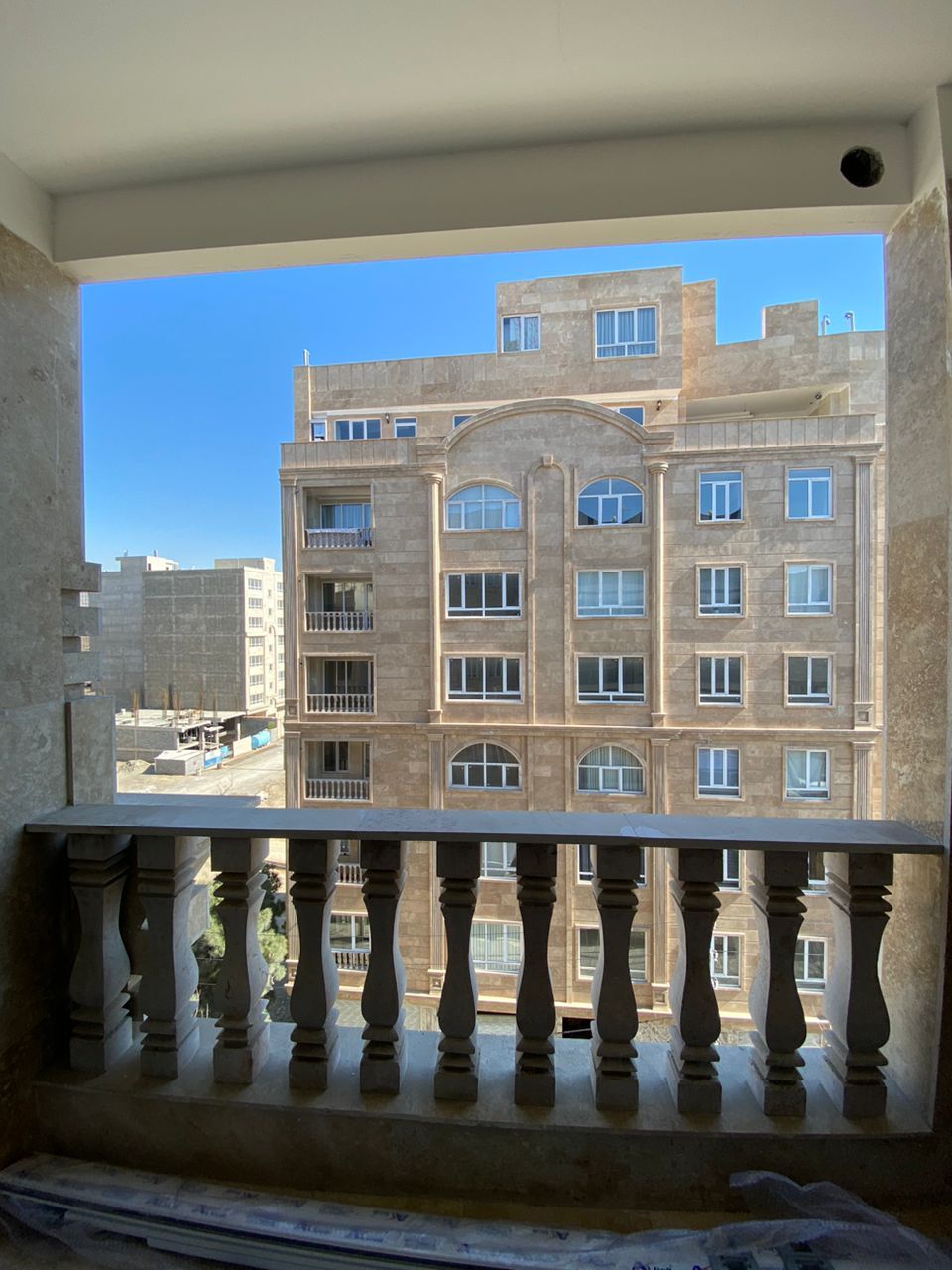
Spindle and box louvre to prevent sunlight and beautify the facade
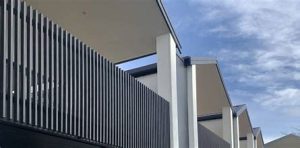
Spindle Louvres: Elegance and Efficiency
Spindle louvres are characterized by their slender, vertical slats, often made from materials such as aluminum, wood, or composite. Their primary function is to control the amount of sunlight that enters a building, thereby reducing glare and heat gain. This natural light management helps to maintain comfortable interior temperatures, which can significantly cut down on energy costs associated with cooling.
Aesthetic Benefits
Spindle louvres add a dynamic visual element to building facades. Their vertical orientation can make structures appear taller and more streamlined, contributing to a sleek and modern aesthetic. Moreover, the interplay of light and shadow created by the louvres can add depth and texture to the facade, enhancing the overall architectural design.
Box Louvres: Robust and Versatile
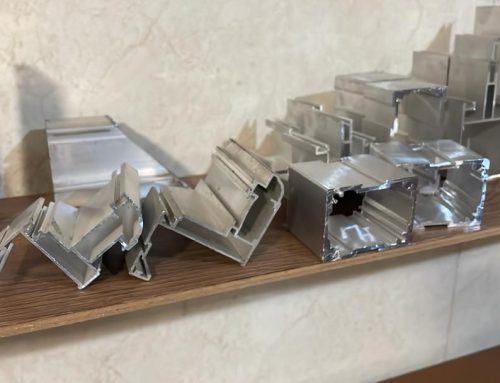
Box louvres, on the other hand, are typically rectangular in shape and can be installed either horizontally or vertically. These louvres are known for their robustness and versatility. Like spindle louvres, they are used to manage sunlight and improve energy efficiency within buildings. However, their design allows for a broader range of aesthetic and functional applications.
Practical Advantages
Box louvres offer several practical benefits. Their robust design provides excellent durability, making them suitable for both residential and commercial buildings. They can be fixed or operable, allowing for adjustable shading depending on the time of day or season. This adaptability ensures optimal light control and ventilation, contributing to a more sustainable and comfortable indoor environment.
Combining Form and Function
The integration of spindle and box louvres into building facades is a testament to the evolution of architectural design, where form and function are harmoniously balanced. These louvres not only mitigate the adverse effects of direct sunlight but also enhance the aesthetic appeal of buildings.
Environmental Impact
By reducing the reliance on artificial cooling systems, spindle and box louvres contribute to lower energy consumption. This, in turn, reduces the carbon footprint of buildings, aligning with global sustainability goals. The materials used for these louvres can also be selected for their environmental friendliness, such as sustainably sourced wood or recyclable metals, further enhancing their green credentials.
Customization and Design Flexibility
Both spindle and box louvres offer significant customization options. Architects and designers can choose from various materials, colors, and finishes to complement the overall design scheme of a building. Additionally, the spacing and orientation of the louvres can be tailored to meet specific sunlight control needs, ensuring both aesthetic and functional requirements are met.
Functionality of Spindle and Box Louvres
Sunlight Regulation: One of the primary functions of spindle and box louvres is to regulate sunlight entering a building. This is particularly important for maintaining comfortable indoor temperatures and reducing glare, which can impact both the occupants’ well-being and the building’s energy efficiency. By strategically placing louvres, architects can control the amount of direct sunlight that penetrates through windows, thereby minimizing the need for excessive artificial lighting and cooling.
Ventilation and Airflow: Louvres also facilitate natural ventilation by allowing air to circulate freely while maintaining privacy and security. This passive cooling method not only reduces reliance on mechanical ventilation systems but also enhances the indoor air quality by promoting the exchange of fresh air.
Beautifying the Facade
Beyond their functional benefits, spindle and box louvres contribute significantly to the aesthetic appeal of a building’s exterior.
Architectural Detailing: Louvres add a layer of architectural detailing that can transform a plain façade into a visually dynamic structure. Depending on the design and material used, louvres can create interesting patterns and textures that complement the overall architectural style.
Integration with Design Themes: Modern building designs often incorporate louvres as integral elements that seamlessly integrate with the building’s design theme. Whether sleek and minimalist or ornate and traditional, louvres can be customized to enhance the visual coherence of the façade.
Color and Material Options: Louvres are available in a variety of materials such as aluminum, wood, and composite materials. These materials can be painted or finished in different colors to match or contrast with the building’s color scheme, thereby adding a layer of customization and creativity to the façade design.
Practical Considerations
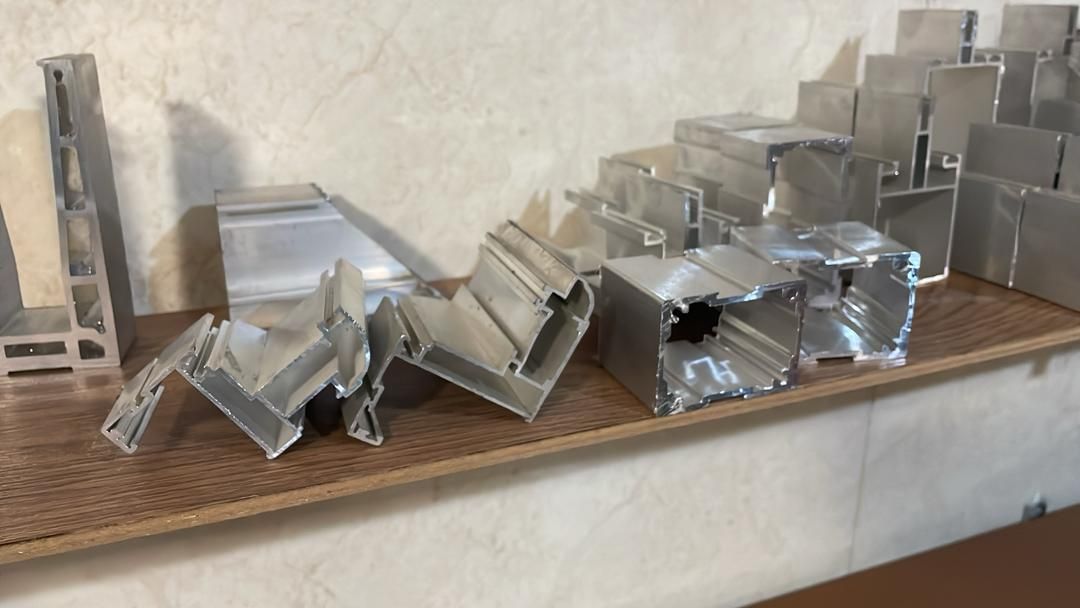
Durability and Maintenance: When selecting louvres, architects and designers consider factors such as durability and ease of maintenance. Materials like aluminum are known for their longevity and resistance to weathering, making them suitable for both exterior and interior applications.
Environmental Impact: Sustainable building practices often favor louvres that contribute to energy efficiency and reduce the building’s overall environmental footprint. By optimizing natural lighting and ventilation, louvres align with green building standards and certifications.
When incorporating spindle and box louvres into building designs, several factors should be considered to maximize their benefits:
1. Orientation and Placement: The effectiveness of louvres in controlling sunlight depends significantly on their orientation and placement. South-facing facades may require more extensive shading solutions, while east- and west-facing facades need to address low-angle morning and afternoon sun.
2. Material Selection: Choosing the right materials is crucial. Aluminum and other metals offer durability and low maintenance, while wood provides a warm, natural look but may require more upkeep. Composite materials can combine the best of both worlds, offering durability with varied aesthetics.
3. Integration with Building Systems: Louvres should be integrated into the overall design and building systems, including HVAC, lighting, and automated control systems. For instance, operable louvres can be connected to sensors that adjust their angle based on the time of day or external temperature, optimizing energy efficiency and comfort.
4. Maintenance: Regular maintenance is essential to ensure the longevity and functionality of louvres. This includes cleaning to remove dust and debris, inspecting for damage, and ensuring moving parts are functioning correctly.
Implementing spindle and box louvres requires careful consideration of several factors to ensure optimal functionality and aesthetic appeal.
Design Integration: Architects must integrate louvres seamlessly into the overall design of the building. This involves determining the placement, size, and orientation of louvres to maximize their effectiveness in regulating sunlight and ventilation while enhancing the building’s visual appeal.
Customization and Versatility: Louvres offer a high degree of customization to suit different architectural styles and design preferences. They can be tailored in terms of materials, colors, and patterns to achieve specific aesthetic effects and functional requirements.
Technological Integration: Advancements in technology have enabled louvres to become more than passive elements. Automated louvre systems equipped with sensors can adjust based on environmental conditions such as sunlight intensity and wind speed, further optimizing energy efficiency and indoor comfort.
Maintenance and Longevity
Ensuring the longevity and efficiency of spindle and box louvres requires regular maintenance. This includes cleaning to prevent dirt and debris buildup, inspecting mechanisms for smooth operation, and conducting periodic checks for any signs of wear or damage. Choosing durable materials and finishes also contributes to the longevity of louvres, reducing the frequency of maintenance interventions.
Environmental and Economic Benefits
The use of spindle and box louvres can have significant environmental benefits. By reducing the reliance on artificial lighting and mechanical cooling, louvres contribute to energy conservation and lower operating costs over the lifespan of the building. Additionally, optimizing natural ventilation through louvres can improve indoor air quality and occupant comfort, enhancing overall well-being.
Case Studies and Applications
Several notable projects have successfully incorporated spindle and box louvres, demonstrating their versatility and effectiveness:
– The One Central Park in Sydney, Australia: This mixed-use development features prominent vertical gardens and an intricate system of louvres that provide shade and support plant growth, enhancing both the building’s aesthetics and environmental performance.
– The Al Bahr Towers in Abu Dhabi, UAE: These towers feature a dynamic facade with operable louvres that respond to sunlight, reducing solar gain and creating an iconic, visually striking exterior.
– The Edge in Amsterdam, Netherlands: Known as one of the greenest buildings in the world, The Edge uses a combination of fixed and operable louvres to manage natural light, contributing to its high energy efficiency and occupant comfort.
Future Trends
As architectural technology advances, the use of spindle and box louvres is expected to evolve. Innovations in materials, such as smart glass and photovoltaic louvres, could provide even greater energy efficiency and functionality. Additionally, the integration of louvres with smart building systems will enhance their ability to adapt to changing environmental conditions and user needs.
Embracing the Future
The future of architectural design is undoubtedly moving towards more sustainable, energy-efficient, and aesthetically pleasing solutions. Spindle and box louvres are at the forefront of this movement, offering a versatile and effective method to manage natural light, reduce energy consumption, and enhance the overall aesthetic of buildings.
Innovations on the Horizon
1. Smart Louvres: With advancements in technology, the integration of smart systems into louvres is becoming more feasible. These systems can automatically adjust louvre angles in response to real-time environmental data, optimizing indoor comfort and energy efficiency without human intervention.
2. Eco-friendly Materials: The development of new materials, such as recycled composites or bio-based polymers, can further reduce the environmental impact of louvres. These materials can provide the same durability and aesthetic appeal as traditional options while being more sustainable.
3. Integrated Solar Panels: Photovoltaic (PV) louvres are an exciting innovation that combines sun shading with energy generation. These louvres can capture solar energy to power building systems, further enhancing their role in sustainable architecture.
Holistic Building Design
Incorporating spindle and box louvres into building projects should be seen as part of a holistic design strategy. These elements work best when integrated with other sustainable features such as green roofs, energy-efficient glazing, and smart building systems. This comprehensive approach ensures that all aspects of the building work together to create a comfortable, efficient, and visually pleasing environment.
Architects and Designers
For architects and designers, the flexibility offered by spindle and box louvres opens up a wide range of creative possibilities. The ability to customize materials, colors, and configurations means these louvres can be tailored to fit any architectural style, from ultra-modern to traditional. This adaptability makes them suitable for a variety of building types, including residential, commercial, and public structures.
Enhancing Urban Landscapes
On a broader scale, the use of spindle and box louvres can contribute to the enhancement of urban landscapes. As cities strive to become greener and more livable, these louvres can play a role in creating more sustainable and attractive urban environments. Buildings that incorporate well-designed louvres not only benefit their occupants but also add to the aesthetic and environmental quality of the surrounding area.
Final Thoughts
Spindle and box louvres exemplify how thoughtful design can address multiple needs simultaneously. By providing effective sunlight control, improving energy efficiency, and adding aesthetic value, these elements are an essential tool in the arsenal of modern architects. As we look to the future of building design, the continued evolution and adoption of louvres will undoubtedly contribute to creating spaces that are not only beautiful but also sustainable and comfortable for those who use them.
Incorporating spindle and box louvres into architectural projects is a step towards a more thoughtful, efficient, and visually engaging built environment. By embracing these innovative elements, architects can lead the way in designing buildings that meet the challenges of today and anticipate the needs of tomorrow.

Leave A Comment