
Small roof profile
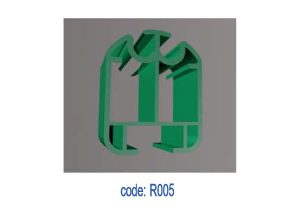
Small roof profiles offer a unique architectural style that can enhance the look and feel of your home. They’re perfect for a variety of styles, from modern and contemporary to traditional and rustic. But what exactly is a small roof profile? And how can you choose the right one for your home?
What is a Small Roof Profile?
A small roof profile is any roof that has a low slope. This means that the roof rises just slightly above the walls of the house. There are several different types of small roof profiles, including:
- Gable roofs: These are the most common type of small roof profile. They have two sides that slope up to a central ridge.
- Hip roofs: These roofs have four sides that slope down to a central point.
- Skillion roofs: These roofs have only one side that slopes down.
- Flat roofs: These roofs have no slope at all.
Benefits of Small Roof Profiles
Small roof profiles offer a number of benefits, including:
- Aesthetics: They can add a unique and stylish look to your home.
- Energy efficiency: They can help to keep your home cooler in the summer and warmer in the winter.
- Low maintenance: They require less maintenance than other types of roofs.
- Durability: They can be very durable and last for many years.
Choosing the Right Small Roof Profile for Your Home
When choosing a small roof profile for your home, there are a few things to keep in mind:
- The style of your home: Choose a roof profile that complements the overall style of your home.
- The climate: If you live in a climate with heavy snowfall, you’ll need a roof profile that can withstand the weight of the snow.
- Your budget: Small roof profiles can vary in price, so be sure to set a budget before you start shopping.
Additional Tips for Small Roof Profiles
Here are a few additional tips for small roof profiles:
- Use light-colored materials: Lighter-colored materials will help to reflect heat and keep your home cooler.
- Install skylights: Skylights can help to bring natural light into your home and make it feel more spacious.
- Plant trees around your home: Trees can help to shade your roof and keep it cooler.
Small Roof Profiles: Beyond Aesthetics
While the visual appeal of a small roof profile is undeniable, its benefits extend far beyond aesthetics. Let’s delve deeper into the practical advantages and considerations:
Energy Efficiency:
- Reduced surface area: Less roof area translates to less heat absorption in summer and less heat loss in winter. This can significantly impact your energy bills.
- Ventilation potential: Low-pitched roofs allow for easier installation of roof ventilation systems, which help to regulate attic temperature and further improve energy efficiency.
Structural Durability:
- Lower wind resistance: Despite their sleek appearance, small roof profiles are generally more resistant to high winds compared to steeper roofs. This is because the wind flows more smoothly over their low-sloped surfaces, minimizing potential uplift and damage.
- Snow shedding efficiency: The gentle slope of a small roof profile allows snow to easily slide off, preventing accumulation and the associated risk of structural damage. This is particularly beneficial in areas with heavy snowfall.
Maintenance and Upkeep:
- Easier access for repairs: The shallower angle of a small roof makes it easier and safer for professionals to access and perform repairs, reducing maintenance costs and hassle.
- Reduced debris accumulation: The minimal surface area minimizes the accumulation of leaves, debris, and other materials, potentially reducing the need for frequent cleaning and maintenance.
Cost Considerations:
- Material efficiency: Small roof profiles require less material than traditional steep roofs, potentially reducing the initial construction cost.
- Installation ease: The simplified geometry of small roof profiles can often lead to quicker and easier installation, minimizing labor costs.
Beyond Practical Benefits:
- Environmentally friendly: Reduced energy consumption and the potential for incorporating renewable energy sources, like solar panels, make small roof profiles a more sustainable choice.
- Modern aesthetic: The clean lines and minimalist appearance of small roof profiles are well-suited for contemporary and modern architectural styles.
Considerations for Choosing a Small Roof Profile:
- Local building codes: It’s crucial to ensure your chosen roof profile complies with local building regulations and restrictions.
- Drainage and waterproofing: Proper drainage systems and high-quality waterproofing are essential to prevent water leaks and ensure the longevity of your roof.
- Ventilation: Adequate ventilation is vital for preventing moisture buildup and promoting healthy air quality within the home.
- Snow load: For areas with significant snowfall, selecting a roof with sufficient strength and slope to handle the weight of snow accumulation is crucial.
Small Roof Profiles: Creative Design Potential
Beyond their practical advantages, small roof profiles offer exciting possibilities for creative design expression. Here are some ways to leverage their unique characteristics:
Exterior Enhancements:
- Monochromatic palette: A uniform color scheme, encompassing the roof, walls, and trim, creates a sleek and modern look, further emphasizing the clean lines of the small roof profile.
- Contrasting colors: Conversely, utilizing contrasting colors for the roof and walls can make the roof stand out as a striking architectural element.
- Textural variations: Combining materials with contrasting textures, such as smooth stucco walls and a textured metal roof, adds visual interest and depth to the exterior design.
- Integrated lighting: Strategically placed lights along the roofline or eaves can highlight the architectural details and enhance curb appeal at night.
- Skylight integration: Incorporating skylights into the roof design allows natural light to flood the interior, creating a brighter and more spacious feel.
Interior Design Synergy:
- Vaulted ceilings: Small roof profiles can be paired with vaulted ceilings to create a dramatic and expansive interior space.
- Exposed beams: Leaving the roof structure exposed adds a rustic charm and allows the interplay of light and shadow to create visual interest.
- Open floor plans: The low profile of the roof facilitates the creation of open floor plans without sacrificing headroom, promoting a sense of flow and connection throughout the living space.
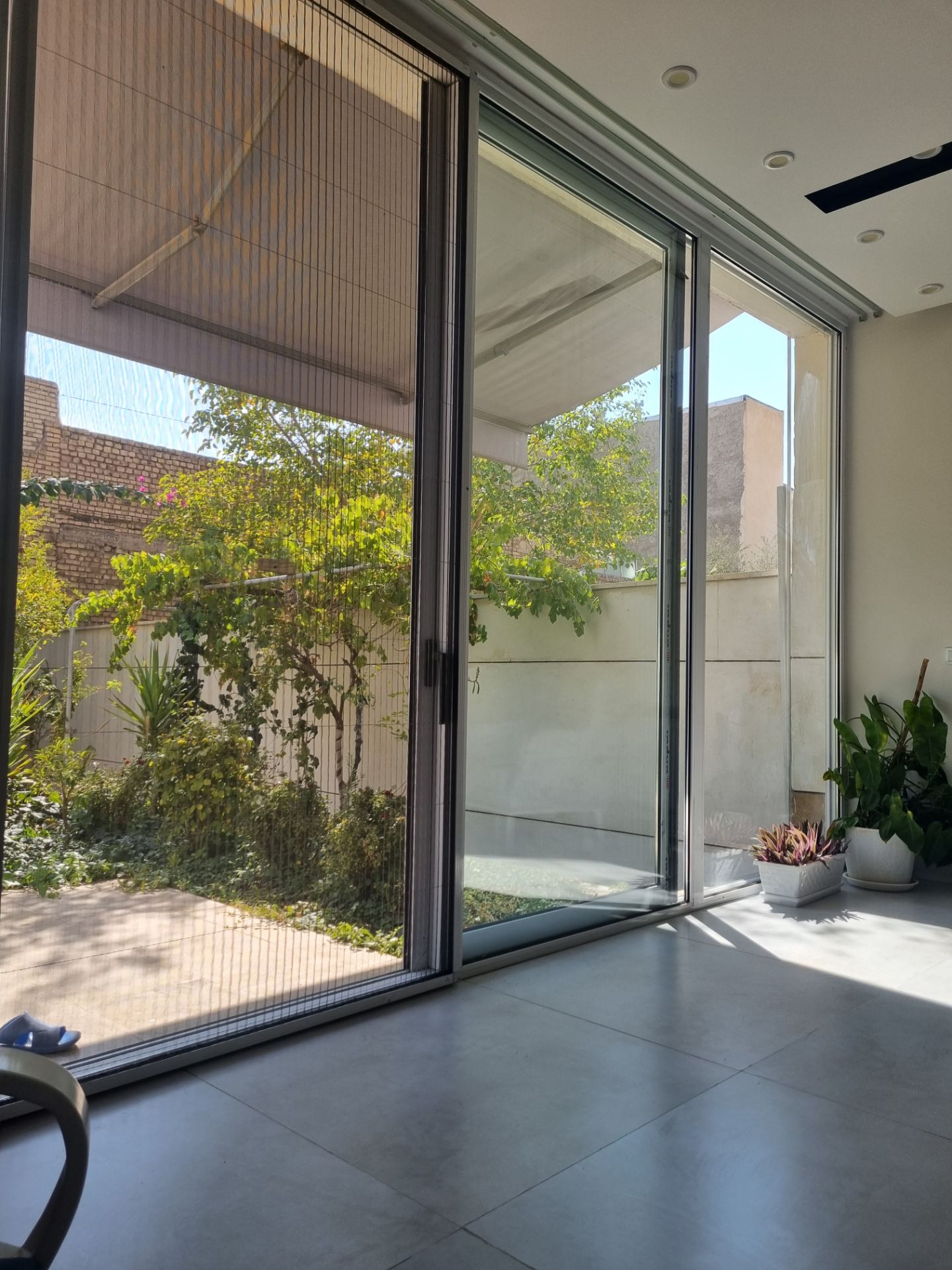
- Blurring the lines: Implementing large windows and sliding glass doors can further connect the interior with the exterior, creating a seamless indoor-outdoor living experience.
Functional Considerations in Design:
- Storage maximization: The space beneath a small roof can be cleverly utilized for additional storage, incorporating built-in cabinets or attic access points.
- Multi-functional spaces: Small roofs can create cozy nooks and reading areas, maximizing the use of available space.
- Green roofs: Integrating a green roof with small-scale vegetation can improve insulation, reduce stormwater runoff, and provide a habitat for beneficial insects.
Ultimately, small roof profiles offer a versatile design element that can be tailored to individual preferences and architectural styles. By embracing their unique characteristics and incorporating creative design strategies, homeowners can achieve a stunning and functional living space.
Small Roof Profiles: A Look to the Future
The popularity of small roof profiles is expected to continue its upward trajectory, driven by several key factors:
Sustainable Design Trends: The increasing focus on sustainable and environmentally conscious construction practices aligns perfectly with the advantages of small roofs. Their energy efficiency, reduced material use, and potential for integrating renewable energy sources make them a valuable asset in the green building movement.
Modern Architectural Preferences: The clean lines, minimalist aesthetic, and emphasis on functionality inherent in small roof profiles resonate strongly with contemporary architectural styles. Their ability to complement various design trends makes them a popular choice for modern homes.
Adaptability and Flexibility: Small roof profiles offer exceptional versatility, allowing them to be adapted to different building types and sizes. From compact urban dwellings to expansive rural estates, these roofs can seamlessly integrate into diverse architectural landscapes.
Technological Advancements: Ongoing advancements in roofing materials and construction techniques are continually improving the performance and durability of small roof profiles. These advancements ensure their long-term viability and affordability, making them an attractive option for future homeowners.
Urbanization and Compact Living: As urban populations continue to grow, the demand for space-efficient and functional living solutions increases. Small roof profiles offer a perfect solution for urban homes, providing a stylish and practical alternative to traditional roof designs.
Beyond aesthetics and practicality, small roof profiles represent a shift towards a more sustainable and design-conscious future. As these roofs continue to evolve and adapt, they are poised to play a significant role in shaping the architectural landscape for generations to come.

Leave A Comment