
Skylight thermal break manufacturers
Introduction:
Skylights have become a popular architectural feature in modern buildings, allowing natural light to flood interior spaces and creating a connection between the indoors and outdoors. However, the increased use of skylights has brought about challenges related to energy efficiency and temperature regulation. This is where skylight thermal break manufacturers play a crucial role in enhancing the performance of these architectural elements.
Understanding Thermal Breaks:
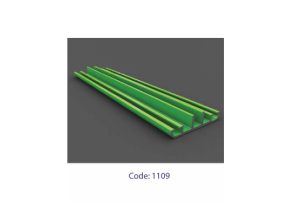
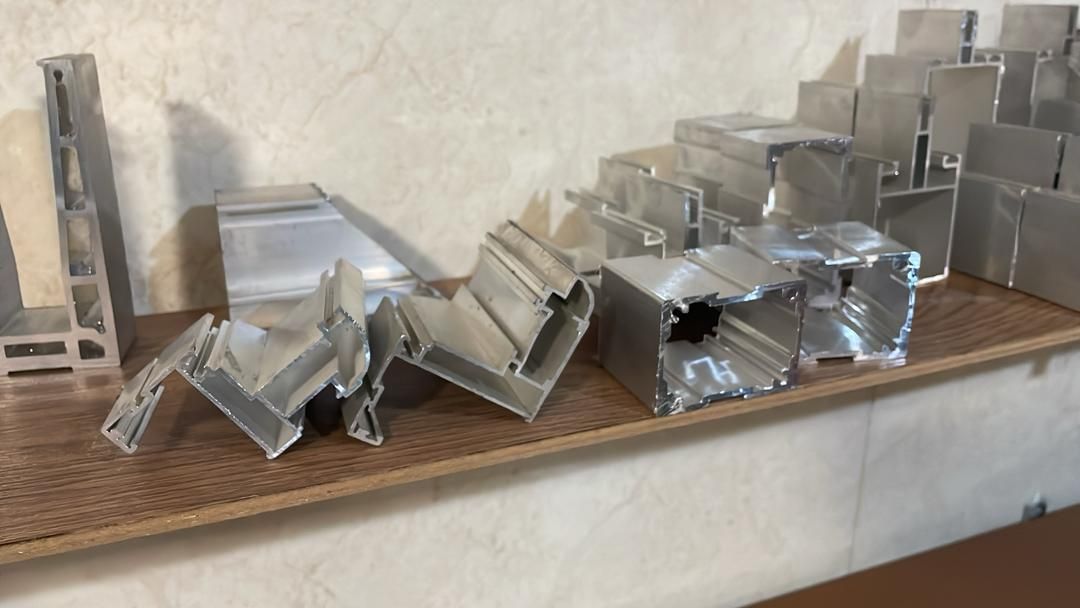
A thermal break is a material with low thermal conductivity positioned between two materials with higher thermal conductivity. In the context of skylights, thermal breaks are used to minimize heat transfer between the exterior and interior of a building. This is particularly important in regions with extreme weather conditions, as it helps maintain a comfortable indoor climate while reducing the reliance on heating and cooling systems.
Importance of Skylight Thermal Breaks:
- Energy Efficiency: Skylights without proper thermal breaks can contribute to significant energy loss. In colder climates, heat from indoor spaces can escape through the skylight, while in warmer climates, the skylight can allow heat to penetrate into the building. Thermal breaks act as insulators, reducing the transfer of heat and helping to create a more energy-efficient building envelope.
- Condensation Control: Uncontrolled condensation can lead to a range of issues, including mold growth and deterioration of building materials. Skylight thermal breaks play a crucial role in minimizing condensation by preventing the formation of cold spots that can lead to moisture buildup.
- Improved Comfort: Maintaining a consistent indoor temperature is essential for occupant comfort. Skylight thermal breaks help regulate the temperature within a building, ensuring that occupants are comfortable throughout the year without the need for excessive heating or cooling.
- Sustainability: As the world places a greater emphasis on sustainable building practices, skylight thermal breaks contribute to the overall energy efficiency of a structure. Reduced reliance on artificial heating and cooling systems not only lowers energy consumption but also aligns with environmentally conscious design principles.
Innovations in Skylight Thermal Break Technology:
Skylight thermal break manufacturers are continually advancing their technologies to meet the evolving needs of the construction industry. Some notable innovations include:
- Advanced Materials: Manufacturers are exploring new materials with superior insulating properties to enhance the thermal performance of skylights. These materials are often lightweight, durable, and resistant to the effects of weathering.
- Design Integration: Thermal breaks are being seamlessly integrated into the design of skylights, ensuring that they not only serve a functional purpose but also contribute to the aesthetic appeal of the structure. This integration allows architects greater flexibility in design while maintaining energy efficiency.
- Customization: Skylight thermal break manufacturers are offering customization options to meet the specific requirements of different projects. This includes tailoring thermal breaks to accommodate various sizes, shapes, and types of skylights.
Testing and Certification: To ensure the reliability and performance of skylight thermal breaks, manufacturers often subject their products to rigorous testing. Industry standards and certifications provide assurance to architects, builders, and property owners that the thermal breaks meet specific criteria for energy efficiency and thermal performance. Collaborating with manufacturers that adhere to these standards helps guarantee the quality of the skylight thermal breaks used in construction projects.
Installation Considerations: Proper installation is crucial for the effectiveness of skylight thermal breaks. Manufacturers often provide guidelines and recommendations for the correct installation of their products. Working closely with experienced contractors who understand the importance of proper installation ensures that the thermal breaks function as intended, delivering the expected energy efficiency benefits.
Cost-Benefit Analysis: While the initial cost of skylight thermal breaks may be a consideration for project budgets, it’s essential to conduct a comprehensive cost-benefit analysis. The long-term energy savings and improved building performance can often outweigh the upfront investment. Manufacturers may offer insights into the potential return on investment, helping stakeholders make informed decisions about the inclusion of thermal breaks in skylight installations.
Industry Collaboration: Skylight thermal break manufacturers often collaborate with other industry stakeholders, including architects, engineers, and sustainability consultants. These collaborations contribute to the development of innovative solutions that address specific challenges in skylight design and performance. Engaging in a collaborative process can lead to the creation of skylights that not only meet but exceed the expectations for energy efficiency and comfort.
Case Studies and Success Stories: Manufacturers often showcase case studies and success stories of projects where their skylight thermal breaks have been successfully implemented. These real-world examples demonstrate the positive impact of thermal breaks on energy consumption, indoor comfort, and overall building performance. Exploring these case studies can provide valuable insights for architects and builders considering the integration of skylights with thermal breaks.
Maintenance and Longevity: Understanding the maintenance requirements and expected longevity of skylight thermal breaks is essential for property owners. Reputable manufacturers provide information on the durability and maintenance needs of their products. Choosing high-quality thermal breaks ensures that the skylights continue to deliver optimal performance over an extended period, minimizing the need for frequent repairs or replacements.
Future Trends and Developments: As technology and sustainability practices evolve, skylight thermal break manufacturers continue to explore new possibilities. This includes advancements in smart building technologies, increased use of recycled and sustainable materials, and further integration of skylights into holistic building management systems. Staying informed about these future trends can guide architects and builders in making forward-thinking decisions for their projects.
Regulatory Compliance: Manufacturers of skylight thermal breaks are mindful of the regulatory landscape governing building materials and construction practices. They strive to develop products that comply with regional and international standards for energy efficiency and safety. Architects and builders benefit from collaborating with manufacturers who prioritize regulatory compliance, ensuring that their projects meet or exceed the required standards.
Feedback Mechanism: Successful manufacturers actively seek feedback from architects, builders, and end-users to continuously improve their products. Establishing a feedback mechanism allows manufacturers to address any challenges or areas for improvement promptly. Architects and builders, in turn, can contribute to the refinement of skylight thermal break technology by sharing their experiences and insights.
Global Impact: The impact of skylight thermal break manufacturers extends beyond individual projects to contribute to global sustainability goals. As energy-efficient buildings become more prevalent worldwide, the collective efforts of manufacturers play a role in reducing the overall carbon footprint of the construction industry. This global perspective reinforces the importance of choosing manufacturers that align with environmentally responsible practices.
Training and Education: Manufacturers often provide training and educational resources to architects, builders, and contractors on the proper use and installation of skylight thermal breaks. This commitment to education ensures that professionals in the industry have the knowledge and skills required to maximize the benefits of thermal breaks in their projects. Architects and builders should take advantage of these resources to stay informed about best practices.
Warranty and Support: Reputable skylight thermal break manufacturers stand by the quality of their products by offering comprehensive warranties and ongoing support. Understanding the terms of the warranty, as well as the level of support available, is crucial for architects and builders. This ensures that in the rare event of issues or defects, there is a clear process for resolution and continued satisfaction with the thermal break performance.
Community and Corporate Responsibility: Manufacturers with a strong commitment to corporate social responsibility actively engage with local communities and contribute to sustainable initiatives. This involvement extends beyond product development to encompass ethical business practices, environmental stewardship, and community development. Architects and builders aligned with manufacturers who prioritize social responsibility contribute to a more ethical and sustainable construction industry.
Adaptability to Climate Change: As climate change poses new challenges, skylight thermal break manufacturers are adapting their technologies to address changing weather patterns and environmental conditions. This adaptability ensures that skylights with thermal breaks remain effective in mitigating heat transfer, regardless of evolving climate challenges. Architects and builders should consider this adaptability factor when selecting thermal break products for their projects.
Continual Research and Development: Leading manufacturers invest in ongoing research and development to stay at the forefront of skylight thermal break technology. This commitment to innovation allows them to anticipate future challenges and develop solutions that push the boundaries of energy efficiency and sustainability. Architects and builders benefit from partnering with manufacturers who prioritize continual improvement through research and development efforts.
Industry Standards and Certifications: Skylight thermal break manufacturers often adhere to industry standards and seek certifications that validate the performance and reliability of their products. Recognizing the importance of these standards ensures that architects and builders can confidently select thermal break solutions that meet or exceed established benchmarks for energy efficiency and sustainability. Staying abreast of these standards aids in the informed decision-making process during the specification and installation phases.
User-Friendly Designs: Manufacturers are increasingly focusing on user-friendly designs, ensuring that skylight thermal breaks are easy to install, maintain, and operate. This consideration simplifies the construction process, reduces installation time, and enhances the overall user experience. Architects and builders benefit from selecting products that prioritize user-friendly designs, as they contribute to streamlined project timelines and long-term satisfaction for building occupants.
Holistic Building Performance: The integration of skylight thermal breaks into the broader context of holistic building performance is a growing trend. Manufacturers are developing products that complement other energy-efficient technologies, such as smart building systems and sustainable HVAC solutions. This holistic approach ensures that skylights contribute synergistically to the overall efficiency and environmental performance of a building.
Technological Integration: Advancements in technology are influencing skylight thermal break design, with some manufacturers exploring the integration of smart technologies. This may include sensors and automated controls that adjust skylight shading based on external conditions or user preferences. Architects and builders should consider these technological advancements to enhance the adaptability and responsiveness of skylights in various environmental scenarios.
Life Cycle Assessment: Manufacturers increasingly provide life cycle assessments (LCAs) for their skylight thermal break products. LCAs evaluate the environmental impact of a product throughout its entire life cycle, from raw material extraction to production, installation, use, and end-of-life disposal. Architects and builders can use this information to make environmentally conscious choices, considering the long-term implications of their material selections.
Global Collaboration: In an interconnected world, skylight thermal break manufacturers engage in global collaboration to share knowledge, best practices, and innovations. This collaborative spirit contributes to a shared pool of expertise that benefits the entire industry. Architects and builders participating in this global network gain access to a wealth of insights and contribute to a collective effort to advance sustainable building practices.
Consumer Education: Recognizing the importance of informed decision-making, skylight thermal break manufacturers are actively involved in consumer education. This includes providing resources, seminars, and documentation that empower architects, builders, and property owners with the knowledge needed to make sustainable choices. Engaging with manufacturers who prioritize consumer education enhances the industry’s overall awareness and commitment to energy-efficient building practices.
Flexible Design Solutions: Skylight thermal break manufacturers are responding to the diverse needs of architects by offering flexible design solutions. This flexibility allows for the incorporation of skylights into a wide range of architectural styles and building types. Architects and builders can explore innovative design possibilities without compromising the energy efficiency and thermal performance of skylight installations.
Long-Term Partnerships: Building long-term partnerships with skylight thermal break manufacturers can lead to ongoing support, customized solutions, and access to the latest advancements. Architects and builders benefit from establishing relationships with manufacturers committed to supporting their projects throughout their lifecycle, ensuring continued performance and adaptability to evolving building standards.
Conclusion:
The continual evolution of skylight thermal break technology underscores a dynamic commitment to sustainability, energy efficiency, and user satisfaction within the construction industry. Architects and builders, as principal stakeholders in the built environment, are positioned to harness these advancements to create structures that seamlessly blend aesthetics with environmental responsibility.
As skylight thermal break manufacturers push the boundaries of innovation, architects and builders have an unprecedented opportunity to shape the future of sustainable design. The integration of smart technologies, adherence to global standards, and a focus on user-friendly designs are steering the industry towards buildings that not only maximize natural light but also contribute to overall energy efficiency.
By staying abreast of the latest trends and collaborating with reputable manufacturers, architects and builders can make informed decisions that resonate with the broader goals of sustainable construction. From regulatory compliance to community engagement, these professionals play a pivotal role in shaping the trajectory of the industry, influencing not only the buildings of today but also those of tomorrow.
The selection of skylight thermal break solutions is not merely a technical choice; it’s a commitment to environmental stewardship and the creation of spaces that prioritize occupant well-being. The strides made by manufacturers in adaptability, technological integration, and holistic building performance underscore a shared vision for a future where architecture and sustainability seamlessly coalesce.
In conclusion, the collaboration between architects, builders, and skylight thermal break manufacturers is central to the ongoing success of sustainable building practices. Through thoughtful selection, meticulous planning, and a commitment to continuous improvement, these stakeholders collectively contribute to a built environment that is energy-efficient, environmentally responsible, and aesthetically inspiring. The future of skylight technology lies in the hands of those who recognize the significance of their choices and actively engage in the pursuit of a more sustainable and resilient architectural landscape.



Leave A Comment