
Sale representative Agency of types of curtain wall windows in the market
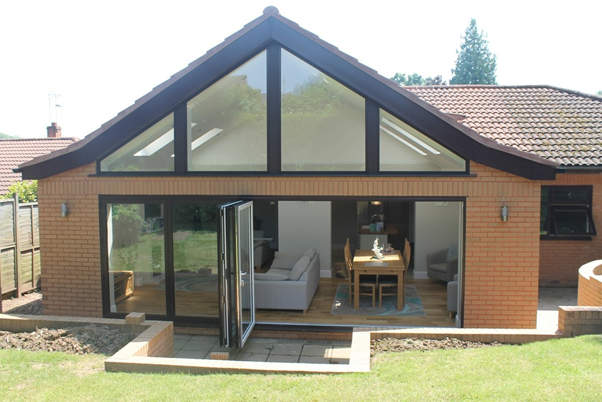
Sale representative Agency of types of curtain wall windows in the market, As urban landscapes continue to evolve and architectural designs push the boundaries of innovation, curtain wall windows have become an integral part of contemporary building exteriors. These large glass facades not only enhance a building’s aesthetics but also provide numerous functional benefits, such as energy efficiency, natural light integration, and noise reduction. In this article, we will explore the various types of curtain wall windows available in the market, offering insight into their features and applications. We aim to assist sales representatives in understanding the diverse range of curtain wall windows, enabling them to effectively promote these products to potential customers.
-
Unitized Curtain Wall Windows:
Unitized curtain wall windows are a popular choice due to their efficiency and ease of installation. They are factory-assembled and glazed, comprising large pre-fabricated panels that are transported to the construction site and installed one by one. Unitized systems are known for their excellent thermal insulation, air and water resistance, and faster installation times compared to other curtain wall types.
-
Stick Curtain Wall Windows:
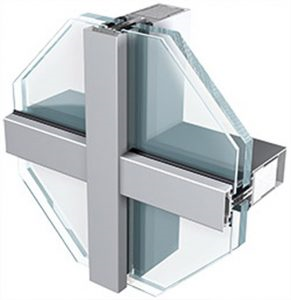
Stick curtain wall windows are constructed on-site, making them highly customizable for unique architectural designs. This type of system consists of individual mullions (vertical framing) and transoms (horizontal framing), which are assembled on-site to form the curtain wall. Stick systems provide flexibility in terms of size, shape, and glazing options, allowing architects to achieve their desired aesthetics.
-
Point-Supported Curtain Wall Windows:
Point-supported curtain wall windows, also known as spider glazing, offer a distinctive appearance as the glass panels are suspended from a series of cables or metal fittings. This type of system provides maximum transparency and is often utilized in modern, visually striking structures. Point-supported curtain walls require precise engineering to ensure the glass panels can withstand the structural loads and maintain their integrity.
-
Structural Glazed Curtain Wall Windows:
Structural glazed curtain wall windows are renowned for their minimalistic and sleek appearance. In this system, the glass panels are secured to the building’s structure using structural silicone adhesive, eliminating the need for visible framing elements. This design creates a seamless, frameless look that maximizes natural light penetration and views.
-
Double-Skin Curtain Wall Windows:
Double-skin curtain wall windows consist of two separate layers of glass with an air cavity in between. This design offers enhanced thermal insulation and soundproofing capabilities, making it ideal for energy-efficient buildings and areas with high noise levels. Double-skin systems provide opportunities for natural ventilation and can be customized with operable windows to allow fresh air intake.
-
Customizable Features:
One of the key advantages of curtain wall windows is their ability to be customized to meet specific project requirements. As a sales representative, it is important to highlight the various customizable features available with curtain wall systems. These include options for different glass types, such as low-emissivity (low-e) coatings for improved energy efficiency, tinted or reflective glass for privacy and solar control, and laminated or tempered glass for safety and security. Additionally, curtain wall systems can be designed with varying mullion sizes, colors, and finishes, allowing architects and building owners to achieve their desired aesthetic vision.
-
Performance and Sustainability:
Curtain wall windows are designed to meet rigorous performance standards in terms of thermal efficiency, water penetration resistance, and air infiltration control. Emphasize the energy-saving benefits of curtain wall systems, as they contribute to reducing heating and cooling costs by providing effective insulation. Furthermore, the integration of daylighting through large glass areas reduces the need for artificial lighting, promoting energy conservation. Highlight the sustainable features of curtain wall systems, such as recyclability, low maintenance requirements, and potential LEED (Leadership in Energy and Environmental Design) certification points.
-
Project Applications:
Understanding the specific applications of curtain wall windows can assist sales representatives in effectively targeting their marketing efforts. These systems are commonly used in commercial buildings, office towers, hotels, retail complexes, educational institutions, and cultural facilities. Highlight the benefits of curtain wall systems in these contexts, such as creating a visually striking and modern façade, maximizing natural light to enhance occupant well-being, and providing unobstructed views of the surroundings. Additionally, emphasize the potential for branding and corporate identity through the customization of curtain wall windows with logos and signage.
-
Collaboration with Architects and Contractors:
Successful sales representatives foster collaborative relationships with architects, contractors, and other stakeholders involved in the construction process. By actively engaging with these professionals, you can understand their specific design preferences and project requirements, offering tailored solutions that meet their needs. Provide technical expertise and assistance throughout the project, ensuring that the chosen curtain wall system integrates seamlessly with the building’s structure and other building envelope components.
-
Industry Trends and Innovations:
As the field of curtain wall systems continues to evolve, it is crucial for sales representatives to stay updated on industry trends and innovations. Stay informed about advancements in materials, such as high-performance coatings and lightweight yet durable framing options. Familiarize yourself with emerging technologies, such as smart glass solutions that can electronically control transparency and solar heat gain. By keeping up-to-date with the latest trends, you can provide valuable insights to customers and position yourself as a trusted advisor in the industry.
Conclusion:
As a sales representative agency specializing in curtain wall windows, your expertise lies in understanding the features, benefits, and applications of various types of curtain wall systems. By showcasing the wide range of options available, highlighting customization features, and emphasizing performance, sustainability, and project-specific benefits, you can effectively promote these innovative building components. Remember to nurture collaborative relationships with architects and contractors, and stay abreast of industry trends and innovations. By doing so, you position yourself as a knowledgeable partner, capable of delivering tailored solutions that meet the unique needs of your customers in the dynamic world of architectural design.

Leave A Comment