
Sale of curtain wall profile in Iran and Turkey directly from the factory door
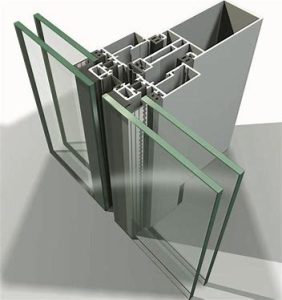
Introduction:
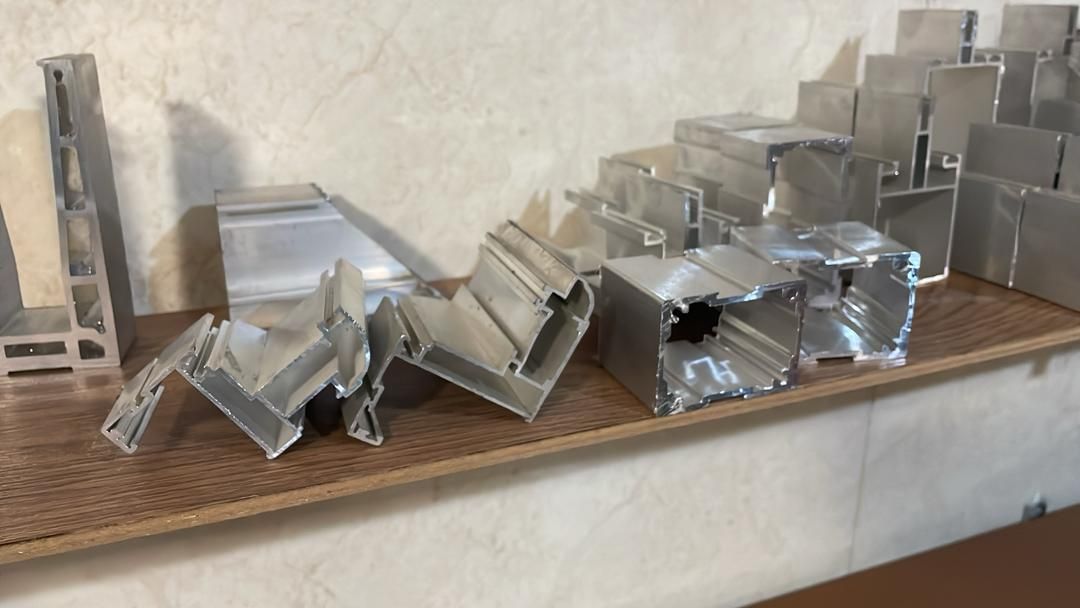
Sale of curtain wall profile in Iran and Turkey directly from the factory door ,The construction industry is witnessing a paradigm shift in the way materials are sourced and supplied, particularly in regions like Iran and Turkey. One such notable transformation is the direct sale of curtain wall profiles from factory doors, bypassing traditional distribution channels. This shift not only streamlines the procurement process but also offers numerous benefits to buyers and manufacturers alike.
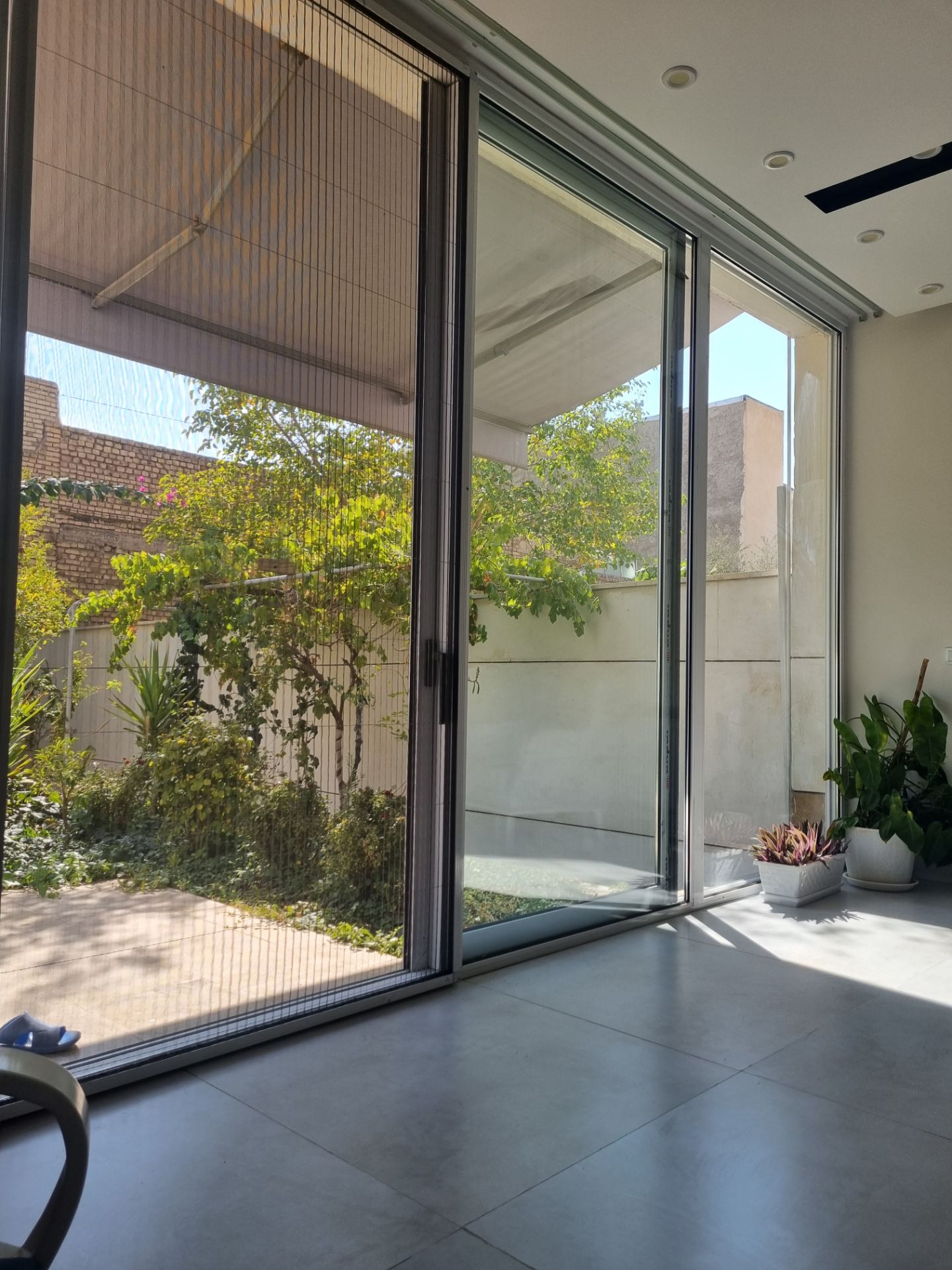
Iran and Turkey: Dynamic Construction Markets Iran and Turkey stand out as dynamic hubs in the construction sector, characterized by robust infrastructure development and a growing demand for high-quality building materials. In both countries, the use of curtain wall systems has gained prominence due to their aesthetic appeal, energy efficiency, and structural advantages. As a result, the demand for curtain wall profiles, essential components of such systems, has soared.
Challenges in Traditional Distribution Channels Historically, acquiring curtain wall profiles involved a complex supply chain, often involving multiple intermediaries such as distributors and retailers. This traditional model presented several challenges, including increased costs, longer lead times, and potential quality control issues. Moreover, fluctuations in market conditions and geopolitical factors could further disrupt the supply chain, leading to delays and inefficiencies.
The Rise of Direct Sales from Factory Doors Recognizing the drawbacks of conventional distribution channels, many curtain wall profile manufacturers in Iran and Turkey have opted for a more direct approach. By selling directly from the factory doors, these manufacturers eliminate intermediaries, thereby reducing costs and enhancing operational efficiency. This model allows buyers to procure products directly from the source, ensuring better transparency and control over the entire procurement process.
Benefits for Buyers:
- Cost Savings: Direct sales from factory doors often result in lower prices for buyers, as there are no additional markups associated with intermediaries.
- Faster Delivery: By bypassing intermediaries, lead times are significantly reduced, enabling buyers to receive their orders promptly.
- Customization Options: Direct engagement with manufacturers allows buyers to request customized solutions tailored to their specific project requirements.
- Quality Assurance: Buyers can inspect products firsthand at the factory, ensuring adherence to quality standards and specifications.
Benefits for Manufacturers:
- Increased Profit Margins: By cutting out intermediaries, manufacturers retain a larger share of the revenue, thereby boosting their profitability.
- Enhanced Control: Direct sales empower manufacturers to have greater control over pricing strategies, production schedules, and customer relationships.
- Market Expansion: By offering direct sales, manufacturers can reach a wider customer base and penetrate new markets more effectively.
- Feedback Loop: Direct interaction with buyers enables manufacturers to gather valuable feedback, facilitating continuous improvement and innovation.
Challenges and Considerations: While direct sales from factory doors offer numerous benefits, there are some challenges and considerations to be mindful of:
- Logistics: Manufacturers need to establish efficient logistics networks to ensure timely delivery of products to buyers.
- Communication: Effective communication channels must be established to facilitate seamless interactions between buyers and manufacturers.
- Regulatory Compliance: Manufacturers must adhere to local regulations and standards governing product quality, safety, and export/import procedures.
- Market Dynamics: Economic fluctuations and geopolitical factors can impact market demand and supply, requiring manufacturers to remain agile and adaptable.
- Sustainability: Direct sales from factory doors can contribute to sustainability efforts by minimizing transportation-related emissions and reducing packaging waste associated with multiple intermediaries.
- Building Trust: Establishing direct relationships between manufacturers and buyers fosters trust and transparency in the supply chain, leading to long-term partnerships and repeat business.
- Competitive Advantage: Manufacturers who embrace direct sales from factory doors gain a competitive edge by offering a streamlined procurement process and greater flexibility to meet customer needs.
- Industry Collaboration: As the trend towards direct sales gains momentum, there is an opportunity for industry stakeholders to collaborate and share best practices, driving further innovation and efficiency in the construction sector.
Conclusion:
The direct sale of curtain wall profiles from factory doors represents a significant paradigm shift in the construction industry, particularly in regions like Iran and Turkey. By bypassing traditional distribution channels, this model offers numerous benefits for both buyers and manufacturers, including cost savings, faster delivery, and enhanced quality assurance. While challenges exist, the widespread adoption of this approach underscores its potential to revolutionize the procurement landscape and drive greater efficiency in the construction sector.
Moreover, this shift towards direct sales aligns with broader trends in the industry, emphasizing sustainability, innovation, and collaboration. By minimizing transportation-related emissions, reducing packaging waste, and fostering closer relationships between manufacturers and buyers, the direct sale model contributes to a more sustainable and resilient construction ecosystem.
Looking ahead, the success of direct sales from factory doors hinges on effective logistics management, robust communication channels, and compliance with regulatory requirements. Manufacturers and buyers must continue to collaborate, innovate, and adapt to evolving market dynamics to realize the full potential of this transformative approach.
In conclusion, the sale of curtain wall profiles directly from factory doors in Iran and Turkey signifies not only a change in procurement practices but also a shift towards a more efficient, sustainable, and customer-centric construction industry. As stakeholders embrace this new paradigm, they are poised to unlock untapped opportunities and drive positive change across the value chain.



Leave A Comment