
Roof hook

Introduction:
In the ever-evolving world of construction and building design, innovation plays a pivotal role in enhancing safety, efficiency, and durability. One such innovation that has gained prominence in recent years is the use of roof hook aluminum. Roof hooks, typically made of aluminum, have become a preferred choice for builders, roofers, and contractors due to their numerous advantages over traditional materials.
Lightweight and Durable:
One of the primary benefits of roof hook aluminum is its lightweight nature coupled with exceptional durability. Aluminum is known for being a lightweight metal, making it easier to handle during construction projects. The reduced weight of roof hooks simplifies installation processes and minimizes the risk of worker fatigue. Despite its lightness, aluminum is also highly durable, ensuring the longevity of the roof hooks in various weather conditions.
Corrosion Resistance:
Aluminum possesses excellent corrosion resistance, making it an ideal material for outdoor applications such as roofing. Unlike some other metals, aluminum does not rust, corrode, or degrade when exposed to moisture and environmental elements. This corrosion resistance contributes to the long-term reliability and structural integrity of roof hook aluminum, ensuring a maintenance-free solution for roofing systems.
Ease of Installation:
Roof hook aluminum is designed with ease of installation in mind. Its lightweight nature allows for quick and efficient installation, reducing labor costs and project timelines. The simplicity of handling aluminum roof hooks makes them a popular choice for both residential and commercial roofing projects. The ease of installation also contributes to increased safety on construction sites, as workers can efficiently and securely affix the hooks without undue strain.
Compatibility with Solar Installations:
With the growing emphasis on sustainable energy solutions, many buildings incorporate solar panels into their design. Roof hook aluminum is particularly well-suited for solar panel installations. Its lightweight design and corrosion resistance make it an ideal material for supporting the additional weight of solar arrays on rooftops. The compatibility of aluminum roof hooks with solar installations aligns with the broader trend of environmentally conscious construction practices.
Cost-Effectiveness:
Beyond their functional advantages, roof hook aluminum also offers cost benefits. Aluminum is a cost-effective material compared to some alternatives, making it an attractive choice for budget-conscious construction projects. The reduced labor costs associated with lightweight and easy-to-install aluminum roof hooks contribute to overall project savings, making them an economical option for a wide range of applications.
Roof hook aluminum has proven to be a valuable addition to the toolkit of builders and contractors, offering a range of benefits that contribute to the success of construction projects. As the construction industry continues to evolve, embracing innovative materials and techniques is crucial for meeting the demands of modern architecture and infrastructure.
Safety Considerations:
The lightweight nature of roof hook aluminum not only facilitates easy installation but also plays a significant role in enhancing on-site safety. Reduced weight minimizes the physical strain on workers, decreasing the likelihood of accidents and injuries during the installation process. Safety is a top priority in construction, and the use of materials like aluminum contributes to creating a safer working environment.
Versatility in Design:
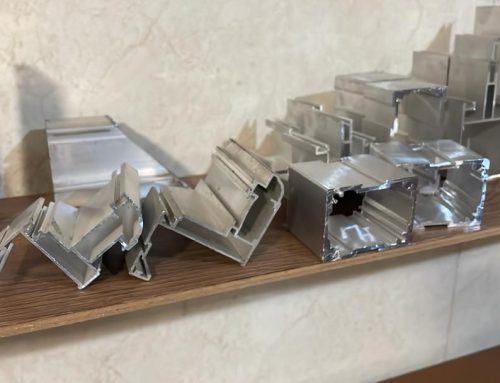
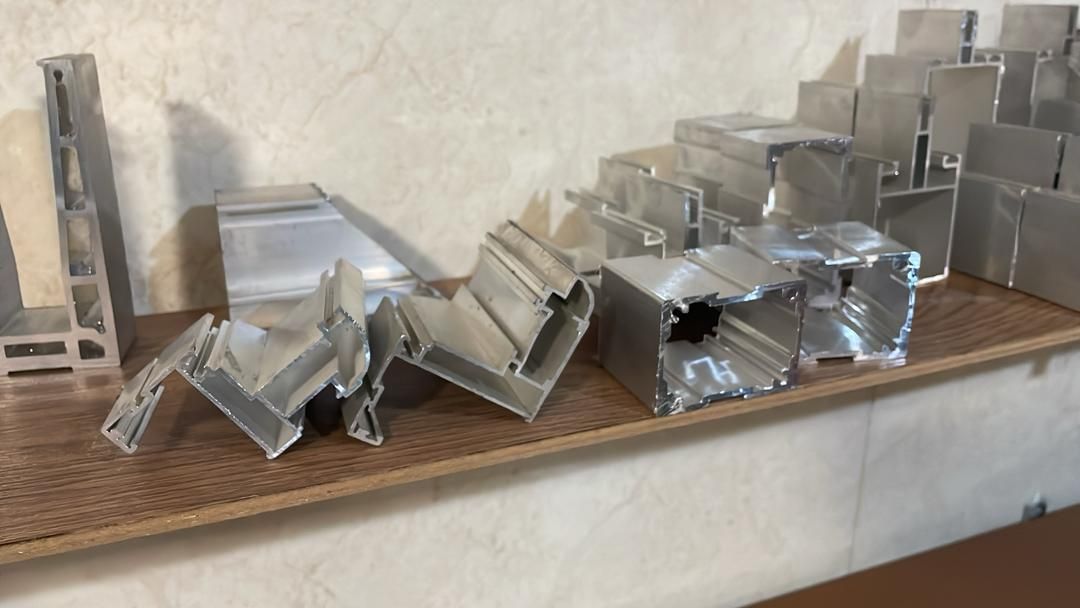
The versatility of roof hook aluminum extends beyond its lightweight and durable properties. Its malleability allows for intricate designs and configurations, making it adaptable to various architectural styles and roofing structures. Whether the project involves a residential home, commercial building, or an industrial facility, aluminum roof hooks can be customized to meet specific design requirements, providing architects and builders with creative freedom.
Environmental Sustainability:
In an era where sustainability is a key consideration in construction, the use of aluminum aligns with eco-friendly practices. Aluminum is highly recyclable, and its production process consumes significantly less energy compared to the production of many other metals. This recyclability contributes to reducing the environmental impact of construction projects and aligns with the industry’s growing commitment to sustainable building practices.
Long-Term Performance:
The long-term performance of roof hook aluminum is a testament to its durability and resilience. The corrosion-resistant properties of aluminum ensure that the roof hooks maintain their structural integrity over time, even in challenging weather conditions. This longevity not only reduces the need for frequent replacements but also enhances the overall cost-effectiveness of the roofing system.
Maintenance-Free Solution:
The low-maintenance nature of roof hook aluminum adds to its appeal for builders and property owners alike. Once installed, aluminum roof hooks require minimal upkeep, reducing ongoing maintenance costs and the need for regular inspections. This characteristic is particularly advantageous for property owners looking for roofing solutions that provide both durability and peace of mind.
In Conclusion:
Looking ahead, the widespread adoption of roof hook aluminum is expected to continue, driven by ongoing advancements in construction technology and the increasing emphasis on sustainable building practices. As the demand for environmentally friendly and cost-effective solutions grows, aluminum’s popularity in roofing applications is likely to expand across various construction sectors.
Contractors, architects, and builders will continue to appreciate the flexibility that roof hook aluminum provides in terms of design, allowing for the creation of aesthetically pleasing and functional roofing systems. The ease of installation and reduced labor costs associated with aluminum roof hooks will remain key factors in decision-making processes, especially as construction projects become more time-sensitive and cost-conscious.
Moreover, the construction industry’s commitment to reducing its environmental footprint aligns well with aluminum’s recyclability. As sustainability becomes a central focus, the use of materials that can be recycled and repurposed will gain further importance. The eco-friendly attributes of aluminum contribute to meeting green building standards and regulations, ensuring that construction projects adhere to environmental guidelines.
In the context of evolving technologies, the integration of aluminum roof hooks with smart roofing systems and other innovations is likely to enhance the overall functionality of buildings. As the construction landscape becomes increasingly digitalized, the adaptability of aluminum to new technologies positions it as a material that can support the integration of smart roofing solutions, further enhancing the performance and efficiency of modern buildings.
In conclusion, roof hook aluminum stands as a beacon of progress in the construction industry, offering a combination of practical benefits that align with contemporary building needs. Its lightweight, durable, and corrosion-resistant properties, coupled with environmental sustainability and cost-effectiveness, make it a material of choice for roofing applications. As construction practices continue to evolve, the use of roof hook aluminum is poised to play a crucial role in shaping the future of construction, providing a solid foundation for resilient and sustainable buildings.



Leave A Comment