
Requirements for the implementation of the curtain wall Curtain wall glass facade calculations
Introduction:
Requirements for the implementation of the curtain wall Curtain wall glass facade calculations ,Curtain walls, with their sleek and modern aesthetics, are a staple in contemporary architecture, offering both functionality and design appeal. A key component of curtain wall systems is the glass facade, which requires meticulous planning and precise calculations to ensure structural integrity, energy efficiency, and aesthetic harmony. In this article, we’ll delve into the essential requirements for implementing curtain wall glass facades, focusing particularly on the calculations and considerations involved in the process.
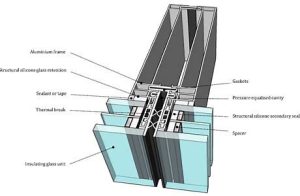
Understanding Curtain Wall Systems: Before delving into the specifics of glass facade calculations, it’s crucial to grasp the fundamentals of curtain wall systems. Unlike traditional load-bearing walls, curtain walls are non-structural and serve primarily as an outer covering for buildings. They consist of vertical and horizontal framing members, typically made of aluminum, steel, or other lightweight materials, onto which glass panels are affixed. This design allows for expansive, uninterrupted views and ample natural light penetration.
Requirements for Glass Facade Calculations:
-
Structural Analysis:
- Load Distribution: Glass panels must be able to withstand various loads, including wind, snow, seismic forces, and their own weight. Calculations involve determining the distribution of these loads across the curtain wall system.
- Deflection Limits: To prevent excessive movement and ensure occupant comfort, deflection limits for glass panels are established based on industry standards and building codes.
-
Thermal Performance:
- U-Factor and Solar Heat Gain Coefficient (SHGC): These metrics quantify a glass panel’s insulation capabilities and its ability to block heat gain from sunlight, respectively. Calculations involve optimizing the U-factor and SHGC values to meet energy efficiency goals while considering factors such as climate, orientation, and building usage.
- Condensation Risk: Proper calculations account for the likelihood of condensation forming on the interior surface of the glass under different environmental conditions, aiming to minimize the risk through insulation and ventilation strategies.
-
Acoustic Considerations:
- Sound Transmission Class (STC) Rating: Calculations assess the curtain wall’s ability to attenuate sound transmission from external sources, such as traffic noise or neighboring buildings. Achieving the desired STC rating may involve selecting appropriate glass thicknesses and incorporating sound-absorbing materials within the curtain wall assembly.
-
Safety and Code Compliance:
- Impact Resistance: Glass panels must meet safety requirements to resist impact from wind-blown debris, accidental collisions, or other hazards.
- Fire Safety: Calculations ensure compliance with fire protection regulations by specifying fire-rated glass where necessary and designing the curtain wall system to maintain compartmentalization and egress routes during a fire event.
-
Material Selection:
- Glass Type: The choice of glass plays a significant role in the performance and appearance of the curtain wall system. Various types of glass, such as float glass, tempered glass, laminated glass, and low-emissivity (low-e) coatings, offer different properties in terms of strength, safety, thermal insulation, and visual aesthetics. Calculations involve evaluating the suitability of each glass type based on project requirements and performance criteria.
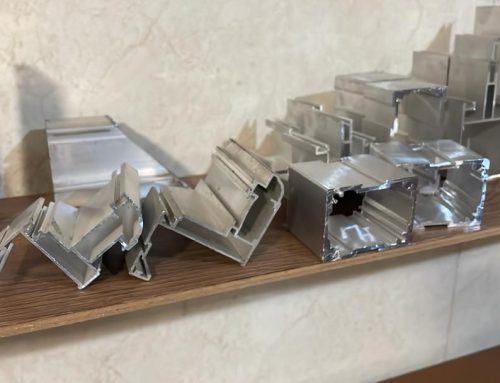
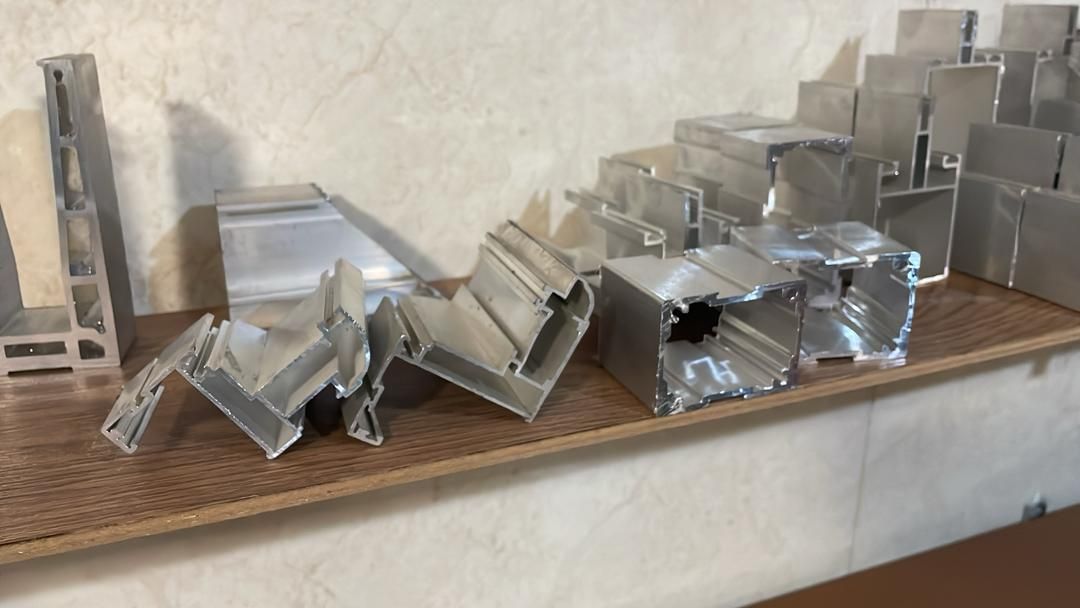
- Framing Materials: The selection of framing materials, such as aluminum, steel, or composite materials, is crucial for achieving the desired structural integrity, durability, and aesthetic appeal of the curtain wall system. Calculations may involve assessing factors such as material strength, thermal conductivity, corrosion resistance, and compatibility with other building components.
-
Design Coordination:
- Integration with Building Systems: Curtain wall systems must seamlessly integrate with other building systems, such as HVAC, electrical, and architectural elements, to ensure functionality, efficiency, and aesthetic coherence. Calculations involve coordinating the dimensions, placement, and detailing of curtain wall components with those of other building systems to avoid conflicts and optimize performance.
- Architectural Vision: The design of the curtain wall should align with the architectural vision and aesthetic intent of the building, whether it’s sleek and minimalist or bold and expressive. Calculations may include evaluating sightlines, mullion spacing, panel sizes, and facade articulations to achieve the desired visual impact while balancing practical considerations such as structural stability and cost-effectiveness.
-
Installation and Maintenance:
- Construction Sequencing: Calculations for curtain wall installation involve planning the sequence of construction activities to ensure safe and efficient assembly on-site. Factors such as access, logistics, weather conditions, and coordination with other trades are considered to minimize disruptions and delays.
- Maintenance Requirements: Proper maintenance is essential for preserving the performance and appearance of curtain wall glass facades over time. Calculations may include estimating maintenance costs, accessibility for cleaning and repairs, and the lifespan of sealants, gaskets, and other components.
-
Environmental Considerations:
- Sustainability: In today’s environmentally conscious climate, sustainable design practices are paramount. Calculations for curtain wall glass facades should include considerations for recycled content, embodied energy, and end-of-life recyclability of materials. Additionally, strategies such as daylight harvesting and natural ventilation can be incorporated to reduce energy consumption and enhance occupant comfort.
- Life Cycle Assessment (LCA): Conducting a life cycle assessment allows for a holistic evaluation of the environmental impacts associated with the production, installation, use, and disposal of curtain wall systems. Calculations involved in LCA help identify opportunities for improvement and guide decision-making towards more sustainable alternatives.
-
Performance Testing and Validation:
- Mock-Up Testing: Before full-scale implementation, mock-up testing of curtain wall assemblies is often conducted to validate performance assumptions and identify potential issues. Calculations may involve analyzing test results, such as air infiltration rates, water penetration resistance, and structural load capacities, to refine design parameters and ensure compliance with project requirements and industry standards.
- Field Testing: Periodic field testing of installed curtain wall systems is essential to verify performance under real-world conditions and address any deficiencies or anomalies. Calculations may include assessing field measurements and observations to identify root causes of problems and recommend corrective actions.
-
Continuous Improvement:
- Feedback Loop: Curtain wall design and construction involve an iterative process of learning and refinement. Calculations should not be seen as static but as part of a continuous feedback loop, where lessons learned from previous projects are incorporated into future designs to drive innovation, efficiency, and quality.
- Research and Development: Investment in research and development is crucial for advancing the state-of-the-art in curtain wall technology. Calculations may involve exploring new materials, fabrication techniques, and digital tools to push the boundaries of performance, sustainability, and aesthetics.
Conclusion:
The implementation of curtain wall glass facades requires a comprehensive approach that considers a wide range of factors, from structural stability and thermal performance to architectural vision and environmental sustainability. By conducting meticulous calculations and addressing the requirements outlined in this article, architects, engineers, and developers can ensure the successful design, construction, and operation of high-performance curtain wall systems that meet the evolving needs of the built environment. As challenges such as climate change and urbanization continue to shape the future of architecture and construction, the importance of innovative and sustainable approaches to curtain wall design and calculation cannot be overstated.

Leave A Comment