
RCW Profile
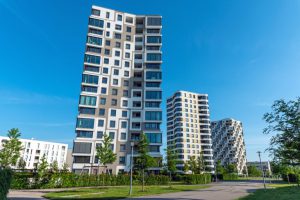
RCW profiles, a specific type of aluminum extrusion, have become a staple in the construction industry, particularly for modern high-rise buildings. These versatile profiles offer several advantages over other materials, making them a preferred choice for architects and builders alike.
What are RCW Profiles?
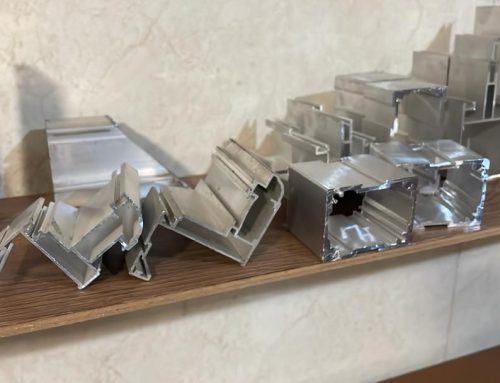
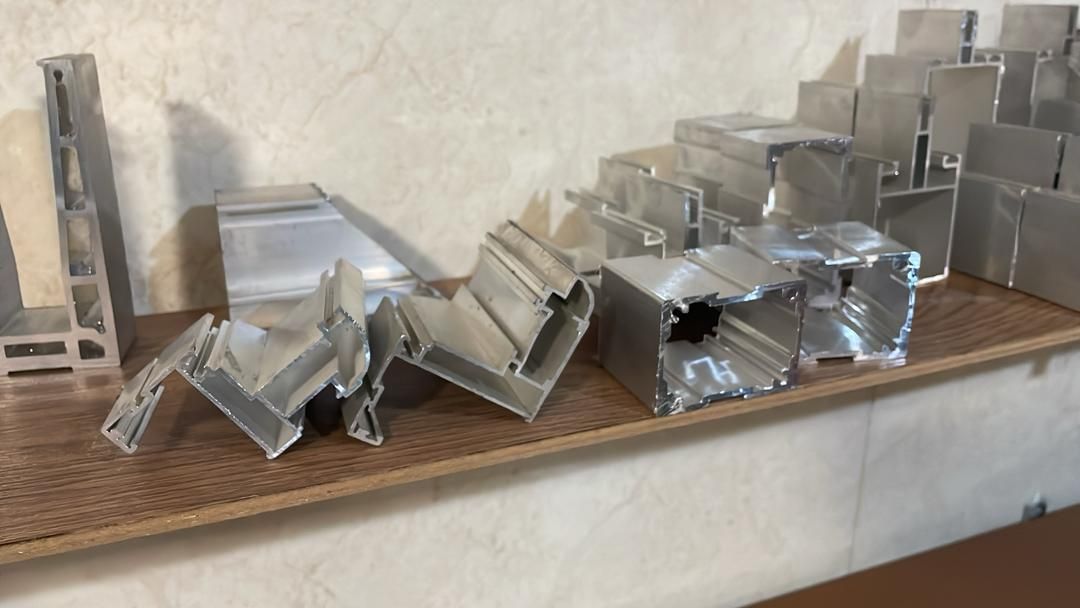
RCW stands for “Rectangular Cap with Web,” referring to their distinctive shape. These profiles are hollow extrusions with a rectangular section and a web running down the middle, providing added strength and rigidity. They are typically made from high-grade aluminum alloys, ensuring durability and corrosion resistance.
Applications of RCW Profiles:
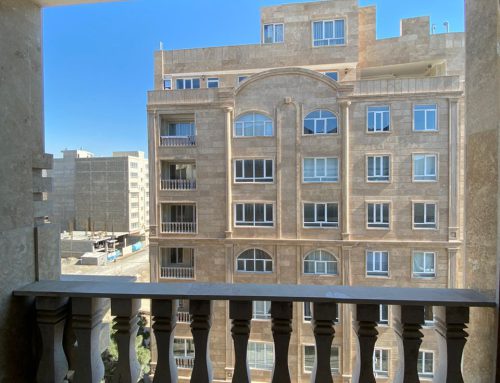
- Curtain Walls: RCW profiles are the primary framing element for curtain walls, the non-structural exterior walls of modern buildings. They provide the necessary support for the glass panels and other materials, creating a sleek and modern aesthetic.
- Mullions: These vertical members within a curtain wall system are often made from RCW profiles, offering structural support and dividing the facade into panels.
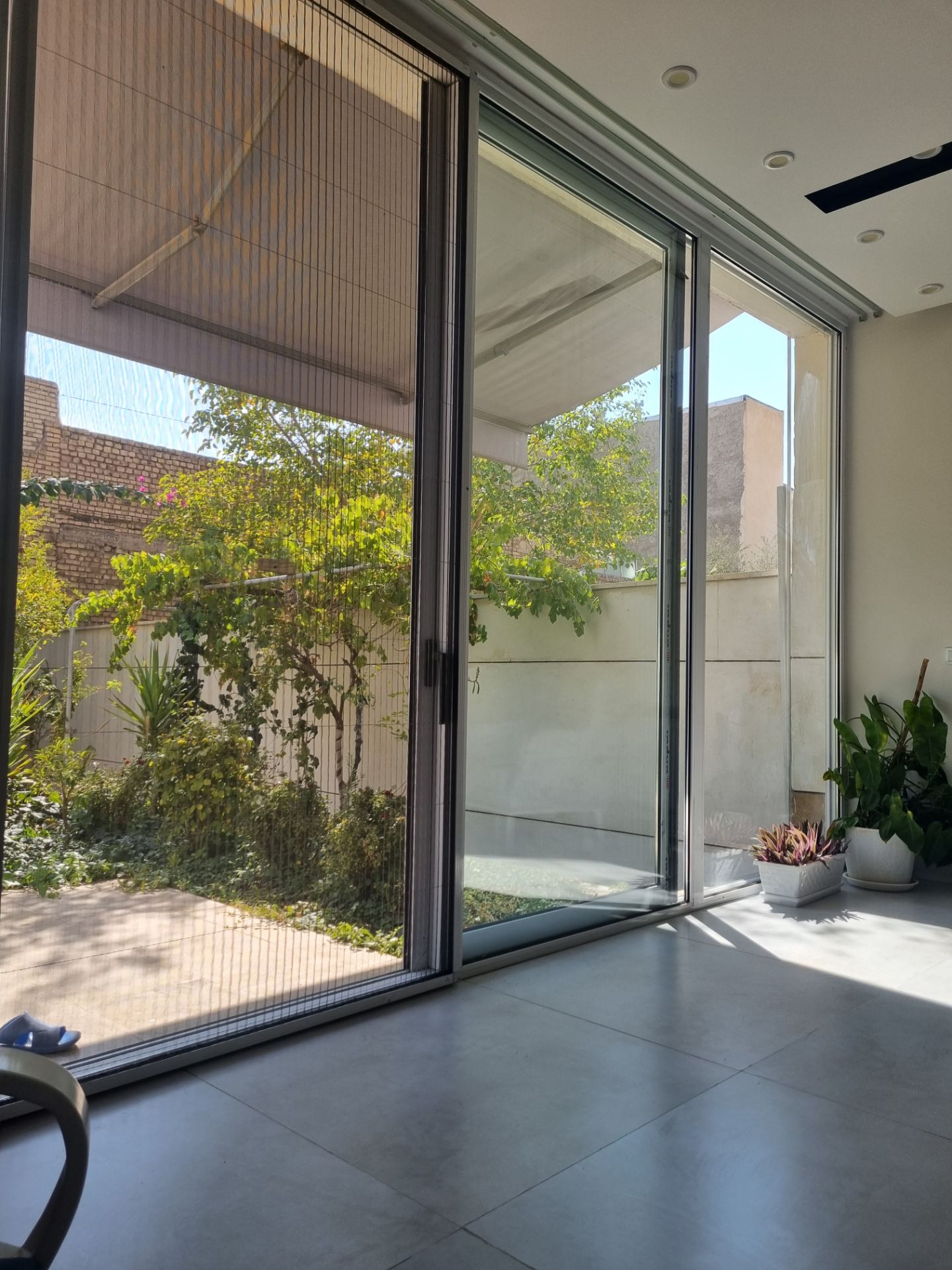
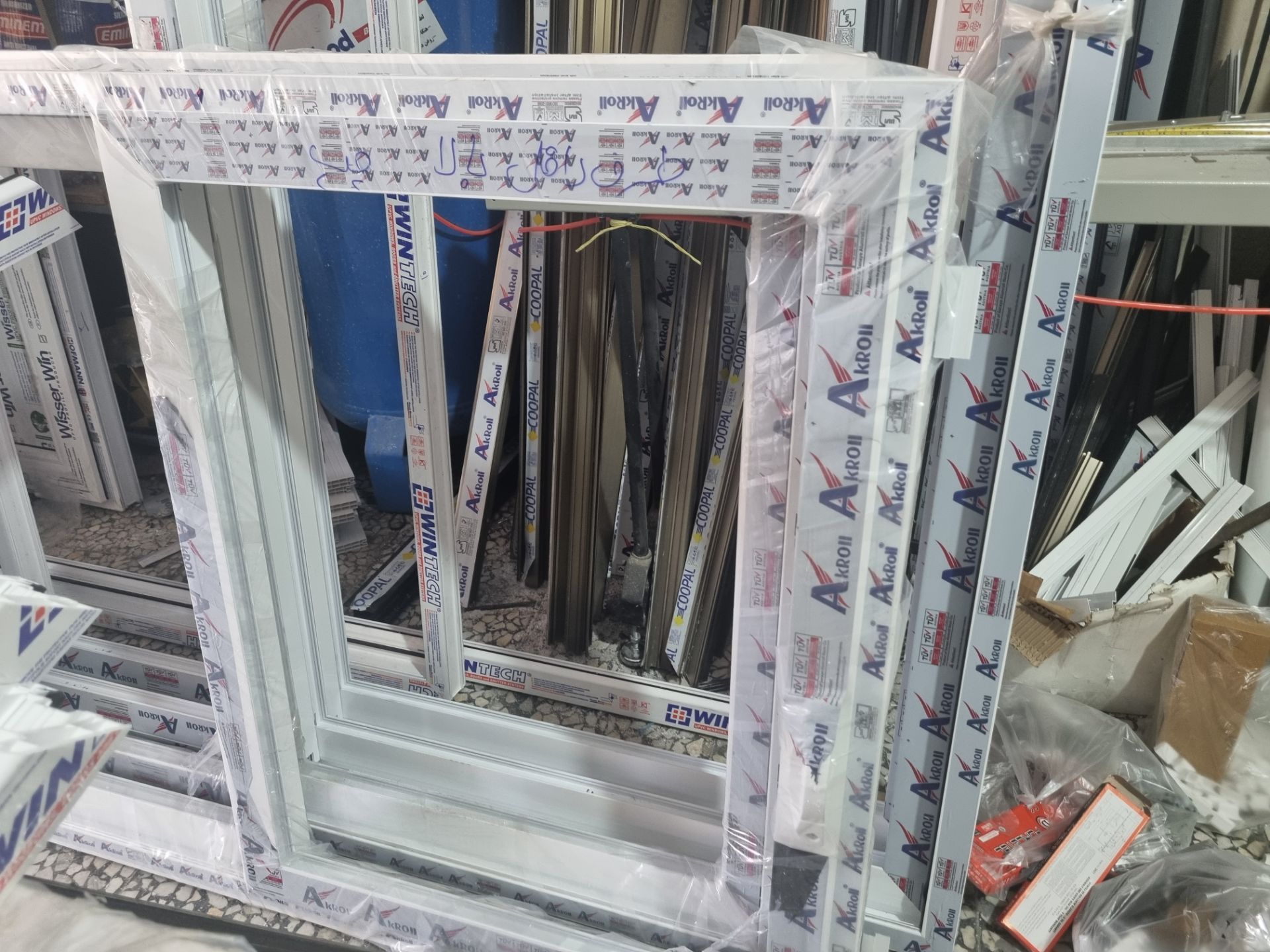
- Windows and Doors: RCW profiles can also be used for window and door frames, providing a robust and aesthetically pleasing option.
- Interior Applications: Beyond the exterior, RCW profiles find applications in interior walls, partitions, and other architectural elements.
Benefits of RCW Profiles:
- Lightweight: Aluminum’s inherent lightness makes RCW profiles significantly lighter than other materials, reducing building weight and facilitating easier installation.
- Strength and Durability: The unique profile design and high-quality aluminum alloys ensure RCW profiles can withstand significant loads and harsh weather conditions.
- Corrosion Resistance: Aluminum’s natural resistance to rust and corrosion makes RCW profiles ideal for long-lasting structures, even in coastal environments.
- Sustainability: Aluminum is a highly recyclable material, making RCW profiles a sustainable choice for environmentally conscious projects.
- Aesthetics: The clean lines and sleek appearance of RCW profiles contribute to a modern and contemporary aesthetic, enhancing the overall design of buildings.
- Versatility: RCW profiles come in various sizes and shapes, offering flexibility to accommodate diverse design requirements.
The Future of RCW Profiles:
As the construction industry continues to focus on sustainability and energy efficiency, RCW profiles are expected to play an increasingly important role. Their lightweight nature and thermal insulation properties make them ideal for creating energy-efficient buildings. Additionally, advancements in manufacturing technology are leading to the development of even stronger and more versatile RCW profiles, further expanding their application possibilities.
RCW Profile Aluminum: Beyond the Basics
The previous article provided a comprehensive overview of RCW profile aluminum, highlighting its key characteristics and applications. But beyond the basics, there’s more to this remarkable material than meets the eye.
Advanced Features and Applications:
- Thermal Insulation: Modern RCW profiles are designed with thermal breaks, which reduce heat transfer between the interior and exterior of a building, contributing to improved energy efficiency.
- Acoustic Performance: Certain profiles are specially designed to dampen noise, creating quieter and more comfortable environments within buildings.
- Fire Resistance: Specific RCW profiles can be treated with fire-resistant coatings, enhancing a building’s overall fire safety performance.
- Integrated Systems: Innovative profiles can incorporate features like drainage channels, ventilation slots, and lighting systems, creating a more integrated and functional building envelope.
- Adaptability and Customization: RCW profiles can be custom-designed to meet specific project requirements, allowing architects and engineers to achieve their desired aesthetic and function.
- Sustainable Manufacturing: Leading manufacturers are employing advanced techniques to minimize waste and reduce the environmental impact of RCW profile production.
RCW Profiles in Action:
- Iconic Landmarks: RCW profiles have been used in some of the world’s most iconic buildings, including the Burj Khalifa in Dubai and the Shanghai Tower in China.
- Green Buildings: Many environmentally friendly buildings utilize RCW profiles due to their lightweight nature, thermal insulation properties, and recyclability.
- Historic Renovation: RCW profiles can be used to modernize and revitalize historic buildings while preserving their original character.
- Creative Interior Design: Architects and designers are incorporating RCW profiles into interior design projects, creating unique and functional spaces.
- Innovative Facades: RCW profiles are at the forefront of advancements in facade design, enabling the development of dynamic and expressive building envelopes.
The Future Holds Promise:
The future of RCW profile aluminum is bright. With continued innovation in design, manufacturing, and integration with other technologies, we can expect to see even more remarkable applications for this versatile material. From contributing to smarter cities and enhancing building performance to fostering sustainable construction practices, RCW profiles are poised to shape the future of the built environment.
Beyond the Facade: The Hidden Depths of RCW Profiles
While RCW profiles are most readily recognized on the facades of modern buildings, their impact reaches far beyond the surface. These versatile aluminum extrusions offer a surprising range of benefits that extend to the very core of a building’s design and functionality.
Structural Integrity and Efficiency:
- Load-Bearing Capacity: Despite their light weight, RCW profiles offer exceptional structural strength, allowing them to efficiently support significant loads in buildings. This translates to reduced material usage and a more sustainable construction process.
- Seismic Resilience: RCW profiles can be engineered to withstand earthquakes and other seismic events, ensuring building safety and occupant well-being.
- Modular Design: The inherent modularity of RCW profiles simplifies construction processes, leading to faster and more efficient on-site assembly.
- Dimensional Stability: RCW profiles maintain their shape and size over time, minimizing the risk of structural issues and ensuring long-term building integrity.
Optimizing Building Performance:
- Energy Efficiency: The thermal breaks incorporated into modern RCW profiles significantly reduce heat transfer, leading to lower energy consumption and improved building performance.
- Acoustics and Comfort: Specific profiles with noise-dampening properties create quieter and more comfortable spaces within buildings, promoting occupant health and well-being.
- Fire Protection: Fire-resistant coatings applied to RCW profiles enhance a building’s overall fire safety, offering valuable protection in the event of a fire.
- Durability and Longevity: The inherent corrosion resistance and excellent weathering properties of aluminum make RCW profiles last for decades, requiring minimal maintenance and ensuring a long lifespan for the building.
Expanding Possibilities and Applications:
- Beyond Curtain Walls: While most commonly associated with curtain walls, RCW profiles are being explored in various applications, including interior walls, partitions, and even furniture design.
- Integrated Technologies: The integration of smart technologies within RCW profiles, such as sensors and actuators, opens up possibilities for intelligent buildings and smarter cities.
- Aesthetic Versatility: The clean lines and sleek appearance of RCW profiles can be customized with different finishes and textures to achieve diverse aesthetic goals, from modern minimalism to classic elegance.
- Eco-Friendly Construction: The recyclability of aluminum and the use of recycled content in RCW profiles contribute to sustainable construction practices and reduced environmental impact.
- Innovation and Collaboration: With ongoing research and development, RCW profiles are constantly evolving, fostering collaboration between architects, engineers, and manufacturers to push the boundaries of building design and performance.
Looking Ahead: A Brighter Future with RCW
RCW profile aluminum represents an essential component in shaping the future of construction. Its versatility, sustainability, and adaptability offer endless possibilities for creating buildings that are not only aesthetically pleasing and functional but also resilient, efficient, and environmentally responsible. As architects and engineers continue to explore the full potential of RCW profiles, we can expect to see even more groundbreaking applications that redefine the built environment and contribute to a brighter future for generations to come.
RCW Profile Aluminum: A Deeper Look
The previous sections have explored the various aspects of RCW profile aluminum, from its basic characteristics and applications to its advanced features and future potential. Now, let’s delve deeper into the intricacies of this remarkable material, uncovering its hidden depths and revealing its true impact on the construction industry.
Beyond the Facade: A Closer Look at Structural Integrity
RCW profiles are not just aesthetically pleasing; they are also incredibly strong and stable. Their unique design allows them to efficiently distribute loads across the building structure, contributing to overall strength and resilience. Imagine a towering skyscraper, supported by a network of interconnected RCW profiles, each one playing a crucial role in maintaining the building’s integrity.
A Lightweight Solution with Heavyweight Performance:
One of the most remarkable features of RCW profiles is their strength-to-weight ratio. They are significantly lighter than traditional materials like steel, yet they possess exceptional load-bearing capacity. This translates to several benefits, including:
- Reduced material usage: Less material is needed to achieve the required structural strength, lowering construction costs and minimizing environmental impact.
- Faster and easier installation: The lighter weight of RCW profiles simplifies the construction process, allowing for faster on-site assembly and reducing installation time.
- Flexibility in design: The lighter weight allows for greater design freedom, enabling architects and engineers to explore innovative and daring architectural concepts.
Beyond the Surface: Optimizing Building Performance
RCW profiles play a crucial role in optimizing building performance on several fronts:
- Energy Efficiency: Modern profiles incorporate thermal breaks, which significantly reduce heat transfer between the building’s interior and exterior. This translates to lower energy consumption and improved thermal comfort for occupants.
- Acoustics and Comfort: Specific profiles are designed with noise-dampening properties, creating quieter and more comfortable spaces. This is especially beneficial in urban environments or buildings with high levels of internal noise.
- Fire Protection: RCW profiles can be treated with fire-resistant coatings, enhancing a building’s overall fire safety. This provides valuable protection for occupants and property in the event of a fire.
- Durability and Longevity: The inherent corrosion resistance and excellent weathering properties of aluminum ensure that RCW profiles maintain their structural integrity and aesthetic appeal for decades, requiring minimal maintenance and ensuring a long lifespan for the building.
Beyond the Traditional: Expanding Applications and Possibilities
RCW profiles are not confined to the exterior of buildings. Their versatility extends to a wide range of applications, including:
-
- Interior walls and partitions: RCW profiles offer a sleek and modern alternative to traditional drywall, providing structural support and flexibility in layout design.
- Furniture design: The strength and aesthetics of RCW profiles make them ideal for creating unique and functional furniture pieces, from desks and chairs to shelving units and display stands.
- Integrated Technologies: RCW profiles can be integrated with smart technologies like sensors and actuators, creating intelligent buildings that adapt to the needs of their occupants and optimize energy consumption.
- Aesthetic Versatility: RCW profiles come in various sizes and shapes and can be customized with different finishes and textures. This allows for a wide range of aesthetic possibilities, from classic elegance to contemporary minimalism.
- Eco-Friendly Construction: Aluminum is highly recyclable, and many RCW profiles are manufactured with recycled content. This contributes to sustainable construction practices and reduces the environmental impact of the building industry.
A Sustainable Future with RCW
RCW profile aluminum is poised to play a significant role in shaping the future of construction. With its inherent sustainability, adaptability, and continuous innovation, this remarkable material offers a path towards a brighter future for the built environment. By collaborating with architects, engineers, and manufacturers, we can utilize the full potential of RCW profiles to create buildings that are:
- Sustainable and environmentally responsible: From reducing material usage to utilizing recycled content and incorporating energy-efficient technologies, RCW profiles contribute to a more sustainable future for our planet.
- Resilient and adaptable: Designed to withstand the elements and adapt to changing needs, RCW profiles ensure buildings are prepared for the challenges of the future.
- Smart and responsive: Integrating advanced technologies allows buildings to learn and adapt to their occupants’ needs, creating a more comfortable and efficient living and working environment.
- Aesthetically pleasing and functional: RCW profiles offer endless possibilities for creative and innovative design solutions, shaping buildings that are not only beautiful but also functional and efficient.
As we move forward, RCW profile aluminum stands as a testament to human ingenuity and innovation. Its potential to revolutionize the construction industry is undeniable, and by embracing its versatility and sustainability, we can create a brighter future for the built environment and its inhabitants.
Conclusion: A Material for Tomorrow
RCW profile aluminum has emerged as a game-changer in the construction industry, offering a unique blend of strength, flexibility, and sustainability. Its journey has been remarkable, evolving from a structural component to a versatile material driving innovation and shaping the future of our cities.
This exploration of RCW profiles has unveiled their hidden depths, showcasing their profound impact beyond the surface. From their structural integrity and load-bearing capacity to their role in optimizing building performance and expanding application possibilities, these profiles have proven themselves to be more than just a construction material. They are a platform for creativity, sustainability, and a brighter future for the built environment.
As we look ahead, the possibilities with RCW profiles are limitless. Architects and engineers are constantly pushing the boundaries, integrating them with smart technologies and exploring their potential in new and innovative ways. From self-healing facades to dynamic lighting systems, the future holds endless possibilities for this remarkable material.
RCW profiles represent more than just a technological advancement; they embody a shift towards a more sustainable and resilient future. By embracing their potential and utilizing them responsibly, we can create buildings that are not only aesthetically pleasing and functional but also environmentally friendly and adaptable to the ever-changing needs of our world.
The journey of RCW profiles is far from over, and their story continues to unfold with each new project. As we move forward, let us acknowledge their transformative potential and work together to unlock the full potential of this remarkable material for a brighter tomorrow.

Leave A Comment