
Profile of Curtain Wall in Russia
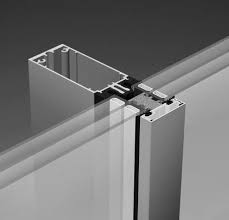
Curtain walls, the non-structural exterior systems of buildings, have become a hallmark of modern architecture across the globe, including in Russia. These systems, typically made of glass, metal, or composite materials, provide aesthetic appeal, energy efficiency, and protection against environmental elements. In Russia, the curtain wall market has grown significantly over recent years, fueled by urban development, modernization of infrastructure, and a shift towards sustainable construction practices. This article explores the profile of curtain wall systems in Russia, focusing on their history, current market trends, challenges, and future prospects.
History of Curtain Walls in Russia
The use of curtain walls in Russia began to gain traction during the late 20th century as part of the broader modernization movement. The post-Soviet era saw rapid changes in architecture, with Western design influences becoming more prominent in the construction industry. Early examples of curtain wall systems in Russia were primarily used in office buildings, commercial complexes, and high-rise residential buildings in Moscow, St. Petersburg, and other major cities.
The shift towards modern materials like glass and aluminum, combined with the increasing demand for aesthetic innovation, spurred the growth of curtain wall systems. By the 2000s, Russia had become one of the largest markets for curtain wall products in Eastern Europe, thanks to increased foreign investment and a surge in urbanization.
Current Market Trends
The curtain wall industry in Russia is now a well-established sector, with numerous local and international companies offering a variety of products. Key trends in the Russian curtain wall market include:
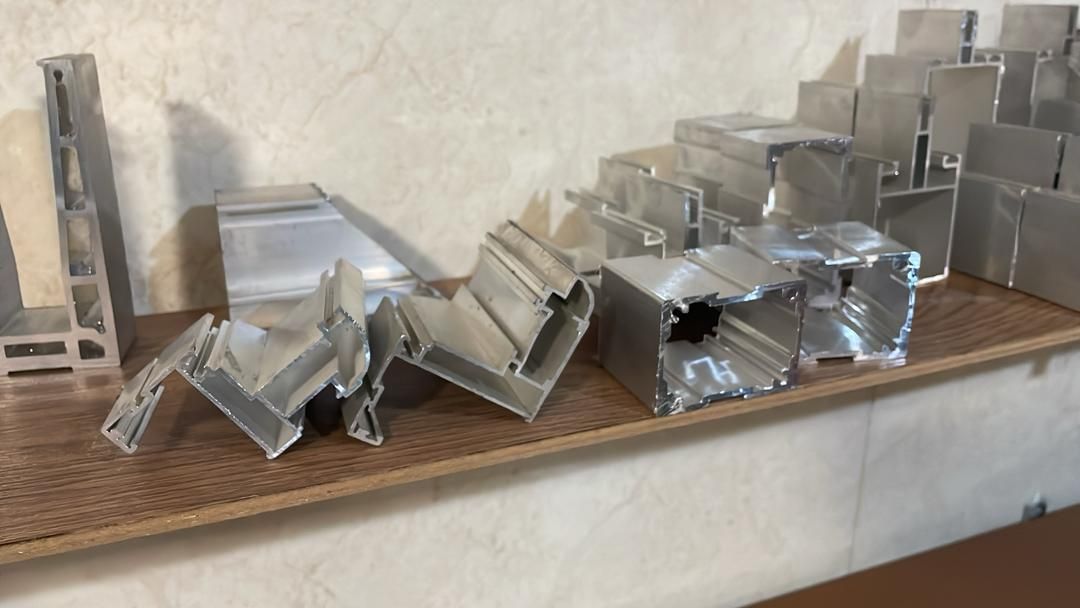
- Glass and Aluminum Systems: The most popular curtain wall materials are glass and aluminum, due to their durability, flexibility, and energy-efficient properties. Glass curtain walls provide high levels of transparency, allowing for natural light to enter the building, while aluminum frames offer strength and versatility.
- Energy Efficiency and Sustainability: With increasing attention to energy-efficient construction, there has been a growing demand for curtain wall systems that contribute to better insulation, reduced energy consumption, and compliance with environmental standards. Products like double-glazed, low-emissivity glass, and insulated aluminum frames are commonly used to meet these criteria.
- Innovative Designs: Russian architects and engineers are increasingly using curtain walls to create striking, modern designs for buildings. The flexibility of curtain wall systems allows for the incorporation of complex shapes and unique visual elements, which are seen in landmark projects like Moscow’s Vostok Tower and the Federation Tower.
- Focus on High-Rise and Commercial Projects: The majority of curtain wall installations in Russia are found in high-rise office buildings, mixed-use complexes, and commercial spaces. The demand for tall skyscrapers and modern business districts in major cities has driven the use of curtain walls as an essential component of contemporary architecture.
Challenges Facing the Curtain Wall Industry in Russia
While the curtain wall sector in Russia has seen substantial growth, it faces several challenges:
- Climate and Weather Conditions: Russia’s harsh climate, with extreme cold in the winter and high thermal variation, poses challenges for the performance of curtain wall systems. Proper insulation and weatherproofing are essential to ensure the durability of these systems in Russia’s diverse climatic regions. The need for high-performance, energy-efficient glass is crucial to address this concern.
- Regulatory and Certification Hurdles: The Russian construction industry is subject to a complex regulatory environment, which can delay project timelines. Obtaining the necessary certifications for curtain wall products, such as fire safety and structural integrity approvals, is often a lengthy process.
- Import Dependency: Despite the growing local manufacturing capacity, a significant portion of curtain wall systems and components are imported. This dependency on foreign products can lead to supply chain vulnerabilities, price fluctuations, and limited availability of certain materials.
Future Prospects
The future of curtain walls in Russia looks promising, driven by several factors:
- Urban Development and Skyscraper Projects: As Russian cities continue to grow, there will be an increasing demand for high-rise buildings, particularly in Moscow and St. Petersburg. Curtain walls will remain a crucial component of these developments due to their aesthetic appeal, energy efficiency, and ability to withstand the elements.
- Sustainability Initiatives: Russia is gradually moving towards greener building practices, and the curtain wall industry is well-positioned to benefit from this shift. With the emphasis on environmental sustainability, more innovative and eco-friendly curtain wall solutions will be developed. This includes advancements in smart glass technology and improved insulation systems.
- Technological Advancements: The integration of advanced technologies such as BIM (Building Information Modeling), automation, and 3D printing will further streamline the design, manufacturing, and installation processes of curtain walls. These innovations are expected to reduce costs, increase precision, and enhance the overall quality of curtain wall systems.
Key Players in the Russian Curtain Wall Market
The curtain wall market in Russia features both domestic and international companies that have made significant contributions to the sector’s growth. Key players include:
- Russian Manufacturers: Several Russian companies have emerged as leaders in the production of curtain wall systems, offering products designed to meet the specific needs of the Russian climate and regulatory environment. These manufacturers typically provide both standard and customized solutions, including the design, fabrication, and installation of curtain walls for a variety of commercial and residential projects.
- International Suppliers: Leading global companies in the construction materials industry, such as Schüco, Kawneer, and Reynaers, have established a strong presence in Russia. These firms offer high-quality curtain wall systems, often with a focus on energy efficiency and sustainability. They also contribute to the technological innovation in the market by introducing advanced materials and manufacturing techniques.
- Construction and Architectural Firms: Many Russian architectural firms are specializing in high-rise and mixed-use buildings, pushing the boundaries of curtain wall design. These firms often collaborate with curtain wall system providers to create unique, cutting-edge buildings. Companies like AECOM and ARUP have worked with Russian developers to incorporate international best practices into local projects.
Notable Curtain Wall Projects in Russia
Several landmark projects in Russia showcase the innovative use of curtain wall systems. These projects highlight the versatility, aesthetic value, and functional benefits that curtain walls bring to modern construction:
- Federation Tower (Moscow): One of the tallest buildings in Russia, Federation Tower, is located in Moscow’s International Business Center. The building’s sleek curtain wall system not only gives it a modern look but also provides energy efficiency and insulation against Moscow’s harsh winters.
- Vostok Tower (Moscow): Another iconic structure in the capital, the Vostok Tower, is part of the Moscow City business district. This tower uses advanced curtain wall technology to achieve both aesthetic beauty and high energy performance. Its glass curtain wall allows natural light to flood the building’s interior while minimizing energy costs.
- Lakhta Center (St. Petersburg): As the tallest building in Russia, Lakhta Center is an architectural marvel that uses cutting-edge curtain wall systems. The building’s design incorporates a high-performance, energy-efficient curtain wall to withstand extreme weather conditions while contributing to the overall sustainability of the structure.
These projects are just a few examples of how curtain wall systems have been effectively used in Russia to create iconic and functional buildings that meet modern architectural, environmental, and energy standards.
Conclusion: A Growing Industry with High Potential
The curtain wall industry in Russia is positioned for continued growth as urban development accelerates and building standards evolve toward sustainability and energy efficiency. While challenges such as climatic extremes, regulatory hurdles, and reliance on imports remain, the increasing demand for modern, high-performance buildings presents significant opportunities for innovation and expansion in the curtain wall market.
With technological advancements, growing urbanization, and a strong push toward sustainable building practices, Russia’s curtain wall market is set to continue its evolution. Both domestic manufacturers and international suppliers are well-positioned to meet the growing demand for energy-efficient, aesthetically pleasing, and functional building facades.
Profile of Curtain Wall in Russia
Profile of Curtain Wall in Russia

Leave A Comment