
Production of all types of frameless glass
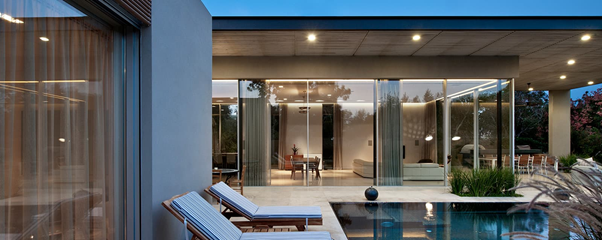
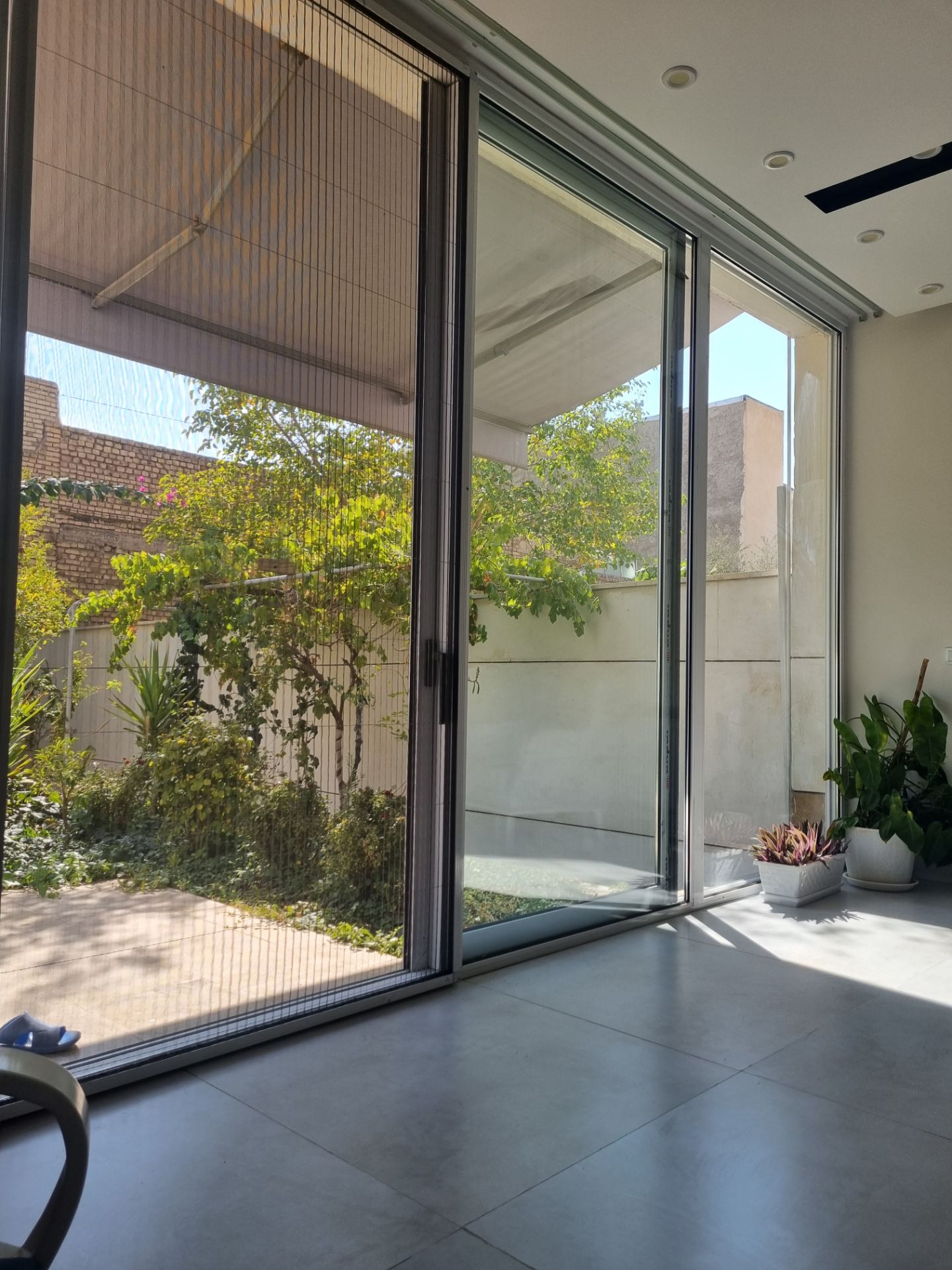
Glass has been an integral part of architectural design for centuries, offering a unique blend of transparency, elegance, and functionality. In recent years, frameless glass has gained immense popularity, revolutionizing the way we think about modern construction and interior design. From frameless glass doors and windows to glass partitions and balustrades, the production of frameless glass has become a specialized art form that combines innovation, engineering precision, and aesthetics. In this article, we delve into the fascinating world of frameless glass production, exploring the various types and techniques involved.
-
Tempered Glass
Tempered glass is a widely used material in frameless applications due to its strength and safety features. The production process involves heating the glass to high temperatures and then rapidly cooling it, creating a state of compression that enhances its strength. This process makes tempered glass highly resistant to thermal stress, impact, and bending forces, ensuring it meets safety standards. Frameless glass doors and windows often utilize tempered glass for its durability and security.
-
Laminated Glass
Laminated glass consists of two or more layers of glass bonded together with an interlayer, typically made of polyvinyl butyral (PVB). This interlayer acts as a protective barrier, keeping the glass intact even when shattered. Laminated glass offers enhanced safety, as it remains in place upon impact, reducing the risk of injuries from sharp shards. This type of frameless glass finds application in glass floors, skylights, and even glass balustrades, where safety and structural integrity are paramount.
-
Structural Glazing
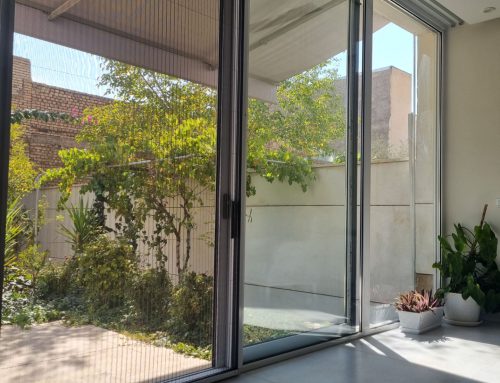
Structural glazing represents a revolutionary technique that allows architects and designers to create stunning, seamless glass facades. In this method, glass panels are fixed to a building’s structure using specialized structural silicone sealants or mechanical fixings. The absence of visible frames or supports gives buildings a sleek, modern appearance, blurring the lines between indoor and outdoor spaces. Structural glazing enables architects to unleash their creativity while ensuring the necessary strength and safety standards.
-
Frameless Glass Partitions
Glass partitions are a popular choice for dividing office spaces, conference rooms, or even residential areas. The production of frameless glass partitions involves the use of toughened or laminated glass panels that are suspended from the ceiling or anchored to the floor. These partitions allow for the flow of natural light, maintain an open atmosphere, and provide acoustic privacy. Frameless glass partitions can be customized with various finishes, such as frosted or patterned glass, to suit different design preferences.
-
Glass Balustrades
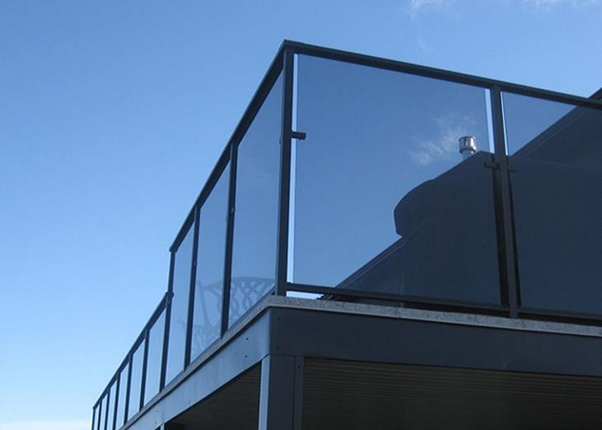
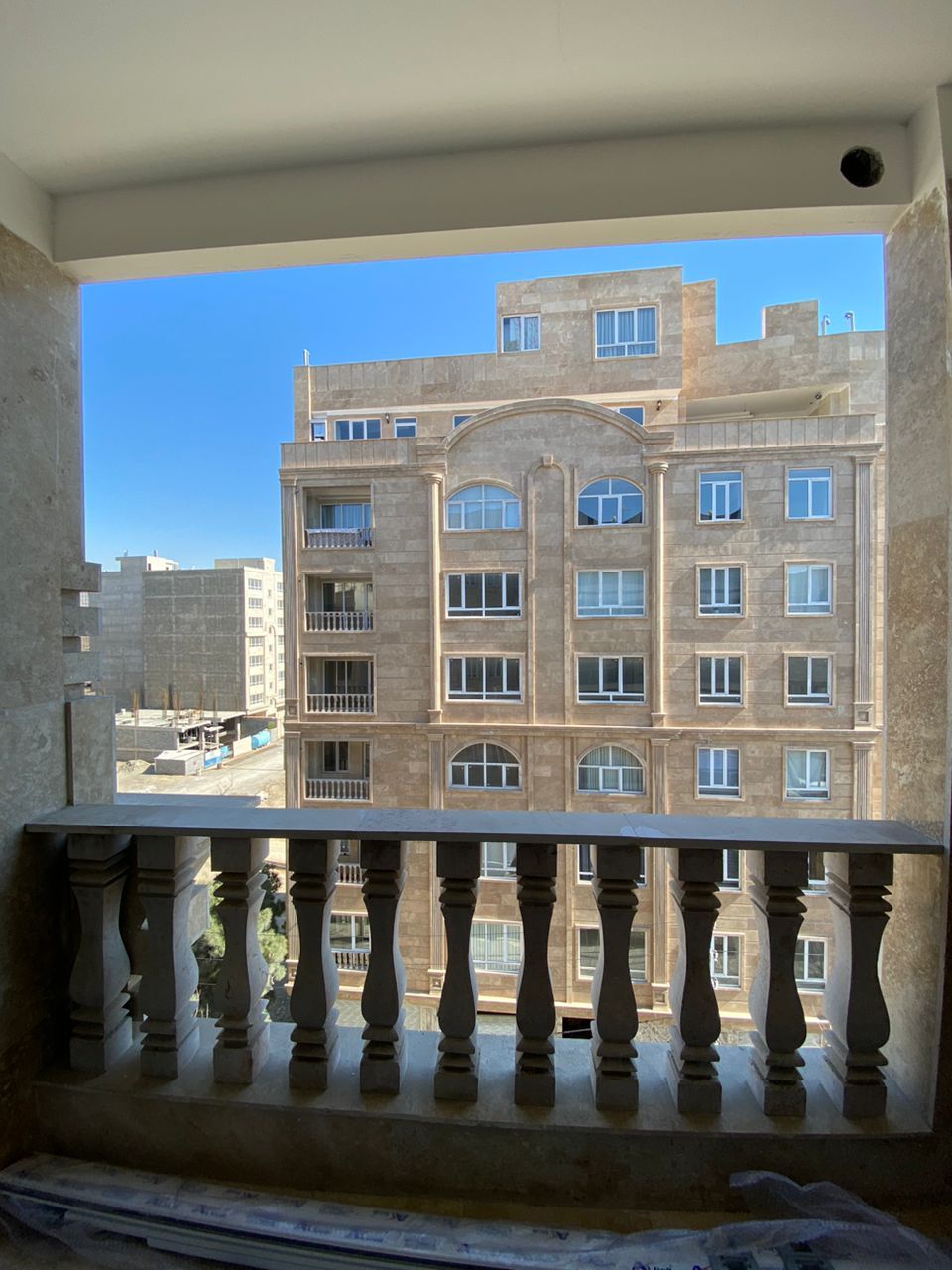
In contemporary architecture, glass balustrades have become synonymous with elegance and sophistication. Frameless glass balustrades provide unobstructed views and create a seamless integration between spaces. Typically composed of toughened or laminated glass, these balustrades are fixed using stainless steel clamps or profiles. They find application in balconies, staircases, terraces, and even swimming pool enclosures, adding a touch of modernity while ensuring safety and durability.
-
Frameless Shower Enclosures
Frameless glass shower enclosures have gained popularity for their sleek and modern design, making them a desirable addition to any bathroom. These enclosures are typically made using tempered glass for its strength and safety features. The glass panels are precisely cut and customized to fit the desired shower space, and specialized hinges and brackets are used for installation. Frameless shower enclosures create a seamless and open look, allowing the beauty of the tiled or stone walls to be fully appreciated while providing a functional barrier against water splashes.
-
Frameless Glass Canopies
Frameless glass canopies are an elegant architectural feature that offers protection from the elements while maintaining a minimalist and transparent design. These canopies are commonly used in entrances, walkways, and outdoor spaces. The production of frameless glass canopies involves the use of laminated or tempered glass panels that are fixed to a supporting structure using structural adhesives or mechanical fixings. Frameless glass canopies provide shelter from rain and UV rays without obstructing the view or natural light, enhancing the overall aesthetics of the building.
-
Glass Curtain Walls
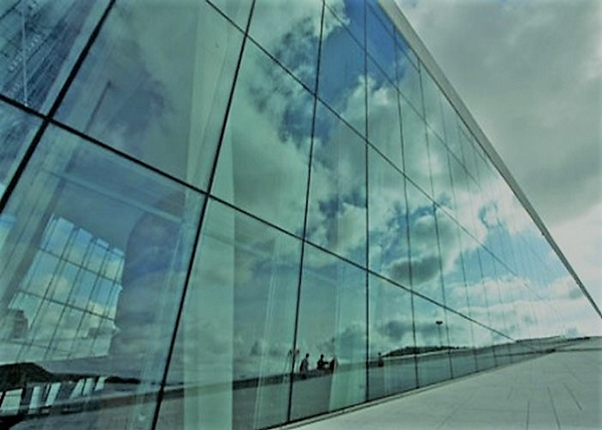
Glass curtain walls have become a symbol of modern high-rise architecture, allowing buildings to showcase their transparency and connection with the surrounding environment. The production of frameless glass curtain walls requires precision engineering and advanced technology. Glass panels, often made of tempered or laminated glass, are attached to a structural framework using specialized gaskets or silicone sealants. Frameless curtain walls offer uninterrupted views, optimize natural light, and contribute to energy efficiency by reducing the need for artificial lighting and heating.
-
Customized Frameless Glass Solutions
In addition to the aforementioned applications, the production of frameless glass extends to various customized solutions that cater to specific design requirements. This includes frameless glass display cases, glass signage, glass shelving, glass partitions with integrated blinds, and much more. Manufacturers and glass artisans work closely with architects, designers, and clients to bring their unique visions to life. The production process involves precise measurements, glass cutting, polishing, and, in some cases, customizing the glass with decorative elements or patterns.
-
Sustainability and Future Innovations
In recent years, sustainability has become a crucial consideration in the production of frameless glass. Manufacturers are actively seeking ways to reduce energy consumption, minimize waste, and utilize eco-friendly materials. Efforts are being made to incorporate recycled glass into the production process, reducing the environmental impact. Additionally, advancements in glass coatings and technologies are improving energy efficiency by enhancing insulation and solar control properties, contributing to greener buildings.
Looking ahead, the future of frameless glass production holds exciting possibilities. Ongoing research and development are focused on creating stronger, thinner, and lighter glass panels without compromising safety. This opens doors for more extensive use of frameless glass in architectural applications, allowing for larger spans and more intricate designs. Additionally, the integration of smart technologies, such as switchable glass for privacy control or dynamic glazing that adjusts transparency based on sunlight intensity, promises to transform the functionality and aesthetics of frameless glass in the years to come.
Conclusion
The production of frameless glass has come a long way, revolutionizing architecture and interior design. From tempered and laminated glass to structural glazing and customized solutions, frameless glass offers endless possibilities to create visually stunning and functional spaces. With a focus on sustainability and ongoing advancements in technology, the future of frameless glass production looks promising. As architects, designers, and manufacturers continue to collaborate, we can expect frameless glass to play an increasingly significant role in shaping the buildings of tomorrow, where transparency, elegance, and sustainability converge.

Leave A Comment