
Price of aluminum profiles
Introduction
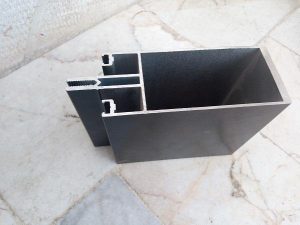
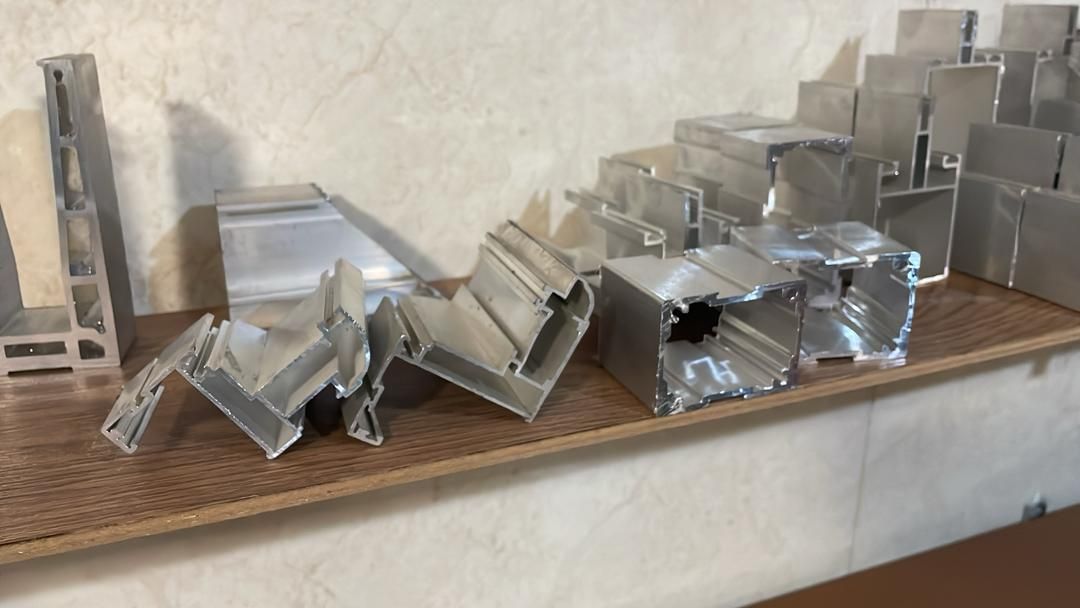
Aluminum profiles are versatile and widely used in various industries, including construction, automotive, aerospace, and manufacturing. These lightweight and durable materials offer exceptional strength-to-weight ratio and corrosion resistance, making them highly sought after. However, the price of aluminum profiles can fluctuate due to several factors. In this article, we will delve into the dynamics affecting the price of aluminum profiles and examine the current trends in the market.
-
Global Supply and Demand
The supply and demand dynamics play a crucial role in determining the price of aluminum profiles. When demand exceeds supply, prices tend to rise, while an oversupply can lead to price reductions. Various factors impact the supply and demand equation, such as economic growth, infrastructure projects, and manufacturing activities. Shifts in these areas can significantly influence the overall demand for aluminum profiles.
-
Raw Material Costs
The primary raw material for aluminum profiles is aluminum ingots. The price of aluminum ingots is affected by factors such as global production, extraction costs, energy prices, and geopolitical events. Fluctuations in the price of raw materials can directly impact the price of aluminum profiles. For instance, if the cost of aluminum ingots rises, it can lead to an increase in the overall price of aluminum profiles.
-
Energy Costs
The production of aluminum profiles requires a substantial amount of energy. Fluctuations in energy costs, particularly electricity, can influence the manufacturing expenses. If energy prices surge, manufacturers might need to adjust their pricing to accommodate the increased production costs, potentially leading to higher prices for aluminum profiles.
-
Trade Policies and Tariffs
Trade policies and tariffs imposed by governments can affect the price of aluminum profiles. For instance, when tariffs or trade barriers are implemented, it can limit the availability of aluminum profiles from specific regions or increase the import costs. These trade restrictions can disrupt the supply chain and potentially result in higher prices for consumers.
-
Currency Exchange Rates
Currency exchange rates also have an impact on the price of aluminum profiles. Aluminum is a globally traded commodity, and fluctuations in currency exchange rates can influence the cost of importing or exporting aluminum profiles. A weaker domestic currency can make imports more expensive, potentially leading to higher prices for aluminum profiles in a particular market.
Current Price Trends
As of the current market scenario, the price of aluminum profiles has experienced fluctuations in recent years. In 2020, the COVID-19 pandemic led to a decline in demand for aluminum profiles, resulting in a temporary decrease in prices. However, as the global economy recovers and demand rebounds, prices have shown an upward trend.
Additionally, factors such as supply chain disruptions, increasing energy costs, and inflationary pressures have contributed to the rising prices of aluminum profiles. The demand from the construction industry, driven by infrastructure projects and urbanization, has also played a significant role in the price increase.
-
Industry-specific Factors
Apart from the overarching factors mentioned above, specific industry trends and requirements can also influence the price of aluminum profiles. Different sectors have varying demands and specifications for aluminum profiles, which can affect pricing.
For instance, the automotive industry often requires customized and lightweight aluminum profiles for improved fuel efficiency. The demand for such specialized profiles can lead to higher prices due to the additional manufacturing processes and quality standards involved.
Similarly, the construction industry may require aluminum profiles with specific dimensions, finishes, or structural capabilities to meet architectural and engineering needs. These customized requirements can impact the price of aluminum profiles, as they necessitate specialized production techniques and additional quality control measures.
-
Environmental Regulations and Sustainability Initiatives
Environmental regulations and sustainability initiatives can also impact the price of aluminum profiles. The aluminum industry has been actively working towards reducing its environmental footprint and implementing sustainable practices. This can involve investments in energy-efficient technologies, recycling initiatives, and adherence to stringent environmental standards.
While these initiatives are commendable for the industry and the planet, they can contribute to increased production costs. Manufacturers might need to invest in new equipment or modify their processes to comply with environmental regulations, resulting in higher prices for aluminum profiles.
-
Market Competition and Supplier Relationships
The level of competition within the aluminum profile market can also influence pricing. In a highly competitive market, manufacturers may strive to offer competitive prices to attract customers. Conversely, limited competition can result in higher prices, especially if there are only a few dominant suppliers in a particular region.
Supplier relationships also play a role in pricing. Long-term contracts, volume discounts, and strategic partnerships can affect the price negotiations between manufacturers and suppliers, ultimately impacting the cost of aluminum profiles.
Conclusion

The price of aluminum profiles is a dynamic factor influenced by a multitude of variables. Understanding the complex interplay between global supply and demand, raw material costs, energy expenses, trade policies, currency exchange rates, industry-specific requirements, environmental regulations, market competition, and supplier relationships is essential to comprehend the pricing trends in the aluminum profile market.
As consumers and businesses continue to rely on aluminum profiles for various applications, it is crucial to monitor these factors and their potential impact on pricing. By staying informed about market trends and engaging in strategic procurement practices, stakeholders can make well-informed decisions and adapt to the evolving landscape of the aluminum profile industry.


Leave A Comment