
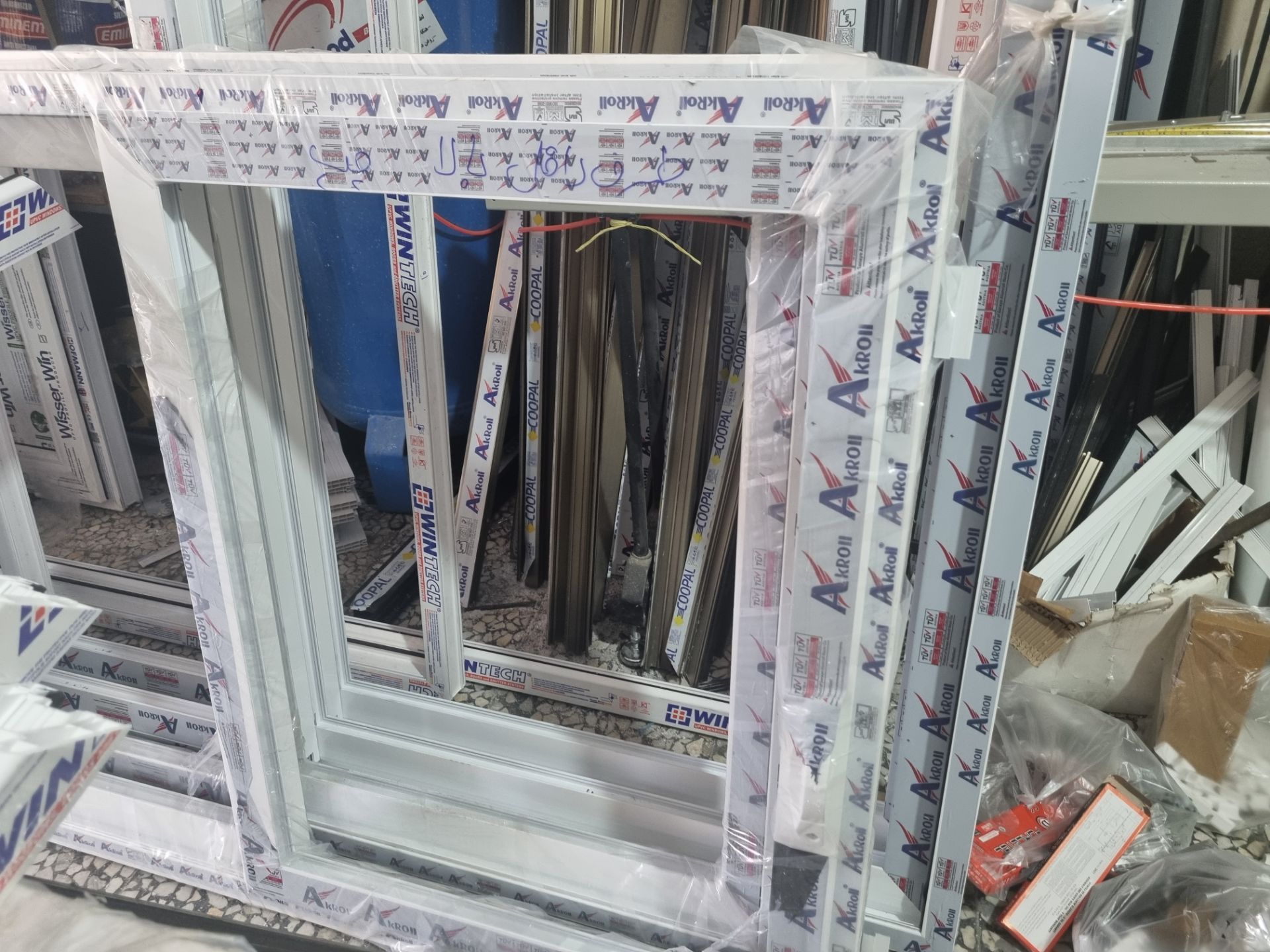
plastic panels

Introduction
In the realm of modern construction and design, plastic panels have emerged as a versatile and sustainable alternative to traditional building materials. These panels, often made from polymers such as PVC (polyvinyl chloride) or polycarbonate, offer a wide range of applications, from interior design to exterior cladding. This article explores the characteristics, benefits, and environmental impact of plastic panels.
Diversity of Applications:
Plastic panels find application in various sectors due to their adaptability. In interior design, they are used for wall coverings, ceiling tiles, and decorative elements. Their lightweight nature makes them easy to install, and they can mimic the appearance of other materials like wood or metal. In the construction industry, plastic panels are employed for roofing, siding, and insulation, providing a cost-effective and durable solution.
Durability and Weather Resistance:
Plastic panels are known for their durability and resistance to the elements. Whether exposed to harsh sunlight, heavy rainfall, or extreme temperatures, these panels maintain their structural integrity. This quality makes them particularly suitable for outdoor applications, such as roofing and cladding, where exposure to weather is inevitable.
Energy Efficiency:
Many plastic panels possess excellent insulation properties. They contribute to energy efficiency by reducing heat transfer, thereby aiding in temperature regulation within buildings. This quality is especially valuable in both residential and commercial constructions, helping to lower energy consumption for heating and cooling purposes.
Cost-Effectiveness:
Plastic panels are often more cost-effective than traditional materials like wood, metal, or glass. The lower production costs, combined with their longevity and minimal maintenance requirements, make plastic panels an economically attractive option for construction projects. This cost efficiency is a significant factor contributing to their popularity in various industries.
Sustainability:
Contrary to common misconceptions, certain plastic panels can be sustainable. Recyclable materials and manufacturing processes that minimize environmental impact are increasingly used in the production of these panels. Additionally, the longevity of plastic panels can contribute to sustainability by reducing the need for frequent replacements, thus minimizing overall resource consumption.
Recyclability and Environmental Impact:
Efforts are being made to improve the recyclability of plastic panels. Recycling technologies continue to advance, allowing for the reprocessing of certain plastic panels at the end of their life cycle. However, it’s essential to note that not all plastic panels are created equal, and the environmental impact can vary depending on the specific type of plastic used and the manufacturing processes involved.
Innovations in Design:
Beyond their practical applications, plastic panel have also opened up new possibilities in design aesthetics. The malleability of plastic allows for unique and intricate patterns, textures, and shapes that might be challenging or impossible to achieve with traditional materials. This innovation in design not only enhances the visual appeal of spaces but also provides architects and designers with greater creative freedom.
Ease of Maintenance:
One of the key advantages of plastic panels is their minimal maintenance requirements. Unlike some traditional materials that may require regular painting, sealing, or other treatments, plastic panels often only need simple cleaning to maintain their appearance. This ease of maintenance not only saves time and effort but also contributes to the long-term cost-effectiveness of using plastic panels.
Fire Resistance:
Certain plastic panel are engineered to be fire-resistant, adding an extra layer of safety to buildings. This feature is particularly crucial in commercial and residential structures where fire safety regulations are stringent. The inherent fire-resistant properties of these panels make them a reliable choice for applications where fire protection is a priority.
Acoustic Performance:
Plastic panels can also contribute to improved acoustic performance in buildings. Whether used in interior spaces or as cladding for exterior walls, certain types of plastic panels can absorb and dampen sound, helping to create quieter and more comfortable environments. This acoustic benefit is especially valuable in spaces like offices, schools, and residential buildings.
Regulatory Compliance:
As the demand for sustainable building practices increases, regulatory bodies are establishing standards for construction materials. Many plastic panels now comply with these standards, ensuring that buildings incorporating these materials meet environmental and safety requirements. This compliance further solidifies the position of plastic panels as a reliable and regulated construction material.
Global Adoption:
Plastic panels have gained widespread acceptance globally, finding applications in a diverse range of climates and architectural styles. The adaptability of these panels to different environmental conditions, combined with their cost-effectiveness, has contributed to their popularity in both developed and developing regions. This global adoption highlights the universal appeal and practicality of plastic panels.
Looking Ahead:
As technology and research in materials science progress, the future of plastic panels looks promising. Ongoing efforts to enhance recyclability, reduce environmental impact, and improve overall sustainability will likely shape the next generation of plastic panel products. Innovations in manufacturing processes and an increased focus on circular economy principles are expected to further solidify plastic panels as a viable and eco-friendly option in the construction and design industries.
Challenges and Considerations:
Despite the numerous advantages of plastic panels, it’s essential to acknowledge and address challenges associated with their use. Issues such as the environmental impact of certain plastics, disposal challenges, and the energy-intensive nature of production processes require ongoing attention. As the industry evolves, stakeholders must work collaboratively to develop solutions that minimize these challenges and promote a more sustainable future.
Consumer Awareness and Education:
Educating consumers and industry professionals about the benefits and considerations of using plastic panels is crucial. Increased awareness can empower decision-makers to make informed choices that align with their sustainability goals. Manufacturers, architects, and builders play a pivotal role in disseminating information about the environmental performance, recyclability, and long-term benefits of plastic panels.
Collaboration for Sustainable Solutions:
Sustainable practices in the production and use of plastic panels require collaboration across the supply chain. Manufacturers, designers, builders, and policymakers must work together to adopt and promote sustainable solutions. This collaborative approach can drive innovation, improve recycling infrastructure, and establish industry standards that prioritize environmental responsibility.
Adapting to Changing Regulations:
Building codes and regulations are evolving to reflect the growing importance of sustainability. It’s crucial for stakeholders in the construction industry to stay informed about these changes and adapt their practices accordingly. Proactive engagement with regulatory bodies can contribute to the development of standards that encourage the responsible use of plastic panels and other construction materials.
The Role of Research and Development:
Continued investment in research and development is essential for the evolution of plastic panels. Scientists and engineers are exploring new materials, manufacturing processes, and recycling technologies that can enhance the sustainability and performance of plastic panels. This commitment to innovation will drive the industry toward more environmentally friendly solutions.
The Human Element:
Beyond technical considerations, it’s vital to recognize the impact of plastic panels on the people who inhabit the spaces where they are used. The improved comfort, aesthetics, and functionality afforded by these panels contribute to the well-being of occupants. As we advance in sustainable construction practices, prioritizing the health and satisfaction of individuals within built environments remains a key consideration.
Community Engagement:
The use of plastic panels also presents opportunities for community engagement. Local projects that employ these materials can become focal points for sustainable initiatives, showcasing the benefits of responsible construction practices. By involving communities in the decision-making process and highlighting the positive aspects of plastic panels, we can create a shared commitment to environmentally conscious building solutions.
Adaptive Design:
Plastic panels’ versatility extends beyond their initial installation. Their adaptability makes it easier to incorporate future changes or additions to a structure, reducing the need for extensive renovations. This adaptability aligns with principles of sustainable design, promoting longevity and minimizing the environmental impact associated with frequent modifications or demolitions.
Educational Initiatives:
Incorporating plastic panels into educational spaces can serve a dual purpose. Not only do these materials provide practical examples of sustainable construction, but they also offer opportunities for students to learn about environmental responsibility and the importance of making informed choices in design and construction.
A Circular Economy Approach:
To further enhance the sustainability of plastic panels, the industry can adopt a circular economy approach. This involves designing products with recycling in mind, promoting the use of recycled materials, and creating systems that facilitate the responsible disposal and repurposing of panels at the end of their life cycle. Embracing a circular economy mindset can maximize resource efficiency and minimize waste.
Social Responsibility:
As the demand for sustainable building practices grows, there is a corresponding increase in the expectation for social responsibility within the construction industry. Companies that prioritize environmentally friendly materials and practices are likely to gain favor with environmentally conscious consumers, leading to a positive cycle of demand for sustainable products, including plastic panels.
The Evolution Continues:
The journey of plastic panels in the construction and design landscape is ongoing. With advancements in materials science, continued collaboration, and a global commitment to sustainable practices, the role of plastic panels is poised to evolve even further. This evolution will be driven by a shared responsibility to create spaces that not only meet our current needs but also contribute positively to the well-being of future generations.
Empowering Change:
Individuals and organizations within the construction and design industries have the power to drive meaningful change. By consciously choosing sustainable options like plastic panels and actively participating in initiatives that promote environmental responsibility, stakeholders become agents of positive transformation. This empowerment extends beyond the construction site, influencing broader societal attitudes toward sustainable living and development.
Industry Collaboration for a Greener Future:
The journey towards a greener future necessitates collaboration across industries. Architects, manufacturers, builders, and policymakers must work hand-in-hand to create a sustainable ecosystem. Sharing best practices, collaborating on research and development, and advocating for policies that incentivize sustainable construction practices are integral aspects of fostering a collective commitment to environmental stewardship.
Continuous Learning and Adaptation:
As our understanding of sustainability evolves, it is crucial to engage in continuous learning and adaptation. Embracing new technologies, materials, and methodologies that align with evolving environmental standards ensures that the construction industry remains at the forefront of sustainable practices. A commitment to lifelong learning and adaptability will be essential for the continued improvement of plastic panels and other construction materials.
Celebrating Success Stories:
Highlighting successful projects that prioritize sustainability can inspire others to follow suit. By celebrating the achievements of structures built with plastic panels – showcasing reduced environmental impact, energy efficiency, and innovative design – we can create a ripple effect, encouraging more projects to adopt eco-friendly practices. Success stories serve as beacons of inspiration for a sustainable and resilient future.
Global Advocacy for Sustainable Building:
Sustainability is a global challenge that requires a united response. The construction industry, alongside environmental organizations, policymakers, and advocacy groups, can collectively champion sustainable building practices. By participating in global conversations, sharing knowledge, and contributing to international efforts, the industry can influence and shape global standards for environmentally conscious construction.
Acknowledging Limitations and Future Aspirations:
While plastic panels have demonstrated considerable advantages, it’s essential to acknowledge that no material is without its limitations. Continuous efforts in research and development are crucial to address existing challenges and push the boundaries of what is achievable in terms of sustainability, recyclability, and environmental impact. The industry’s commitment to innovation will pave the way for advancements that further align with the principles of a circular and regenerative economy.
Investing in Green Infrastructure:
Beyond individual building materials, the concept of green infrastructure is gaining prominence. This involves integrating natural elements and sustainable technologies into urban planning and development. Plastic panels, when part of a holistic green infrastructure strategy, contribute to creating environmentally friendly and resilient urban spaces, promoting biodiversity, and mitigating the effects of climate change.
Adopting a Lifecycle Approach:
Embracing a lifecycle approach to construction involves considering the entire lifespan of a building, from design and construction to operation and eventual decommissioning. Plastic panels, when viewed through this lens, emphasize the importance of durability, ease of maintenance, and recyclability. This approach ensures that decisions made at every stage contribute positively to the long-term sustainability of the built environment.
Public-Private Partnerships:
The transformation towards sustainable construction requires collaboration between the public and private sectors. Governments, industry leaders, and non-governmental organizations can forge partnerships that incentivize sustainable practices, regulate environmental standards, and invest in research that drives innovation. Such collaborations create a conducive environment for the widespread adoption of materials like plastic panels in a sustainable and responsible manner.
Encouraging Grassroots Initiatives:
Sustainable construction is not solely the responsibility of large corporations or government bodies. Grassroots initiatives, driven by local communities, small businesses, and individuals, play a vital role in creating a groundswell of change. By supporting and fostering grassroots movements that promote sustainable building practices, we can ensure that the benefits of environmentally friendly materials like plastic panels are accessible to all.
Measuring and Reporting Impact:
The adage “you manage what you measure” holds true in sustainable construction. The industry should adopt rigorous metrics for measuring the environmental impact of construction materials and practices. Transparent reporting on these metrics allows stakeholders to make informed decisions, encourages healthy competition for sustainable practices, and fosters accountability in the pursuit of a greener future.
Celebrating Diversity in Sustainable Solutions:
The journey toward sustainability is multifaceted, and there is no one-size-fits-all solution. Celebrating the diversity of sustainable building materials and methods, including the use of plastic panels, showcases the richness of possibilities available to architects, builders, and designers. This diversity fosters a culture of continuous improvement and creativity in sustainable construction practices.
Looking Forward with Optimism:
As we look to the future, optimism prevails. The integration of plastic panels into the construction and design landscape symbolizes a commitment to progress, innovation, and responsible stewardship of our planet. The challenges we face are opportunities for growth, and the collective efforts of individuals and industries alike are shaping a future where sustainable construction is the norm rather than the exception.
A Shared Responsibility:
In the grand tapestry of sustainable construction, every stakeholder has a role to play. From manufacturers and designers to builders and consumers, each decision contributes to the broader narrative of creating a built environment that respects the Earth’s resources and supports the well-being of its inhabitants. The shared responsibility for sustainable construction is an empowering concept, uniting diverse voices in a common goal.
Final Reflections:
In conclusion, the exploration of plastic panels in the construction and design industries unveils a narrative of innovation, resilience, and responsibility. These panels, while just one element in the complex mosaic of sustainable construction, represent a paradigm shift toward a future where buildings harmonize with nature rather than impose upon it.
As the construction industry continues to evolve, the legacy we leave for future generations rests on our collective ability to make thoughtful choices, embrace sustainable practices, and pioneer new solutions. Plastic panels, alongside other eco-friendly materials, stand as symbols of a commitment to building a world that balances progress with environmental stewardship—a world where the structures we create reflect not only human ingenuity but also our profound respect for the planet we call home.




Leave A Comment