
Modern glass façade meaning
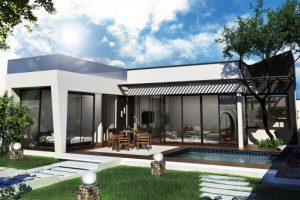
Modern glass façades have become increasingly popular in contemporary architecture over the past few decades. These stunning structures are characterized by large, transparent panels of glass that cover the exterior of a building. While they offer a number of benefits, such as increased natural light and energy efficiency, modern glass façades have also sparked debate about their meaning and impact on the urban landscape.
On a practical level, modern glass façades offer numerous advantages over traditional building materials. Glass is incredibly strong and durable, which means that it can withstand harsh weather conditions and remain in good condition for many years. Additionally, glass is an excellent insulator, which can help reduce a building’s heating and cooling costs. This can have a significant impact on a building’s energy efficiency, as well as its environmental footprint.
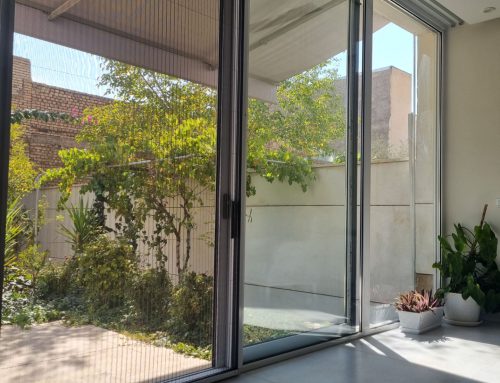
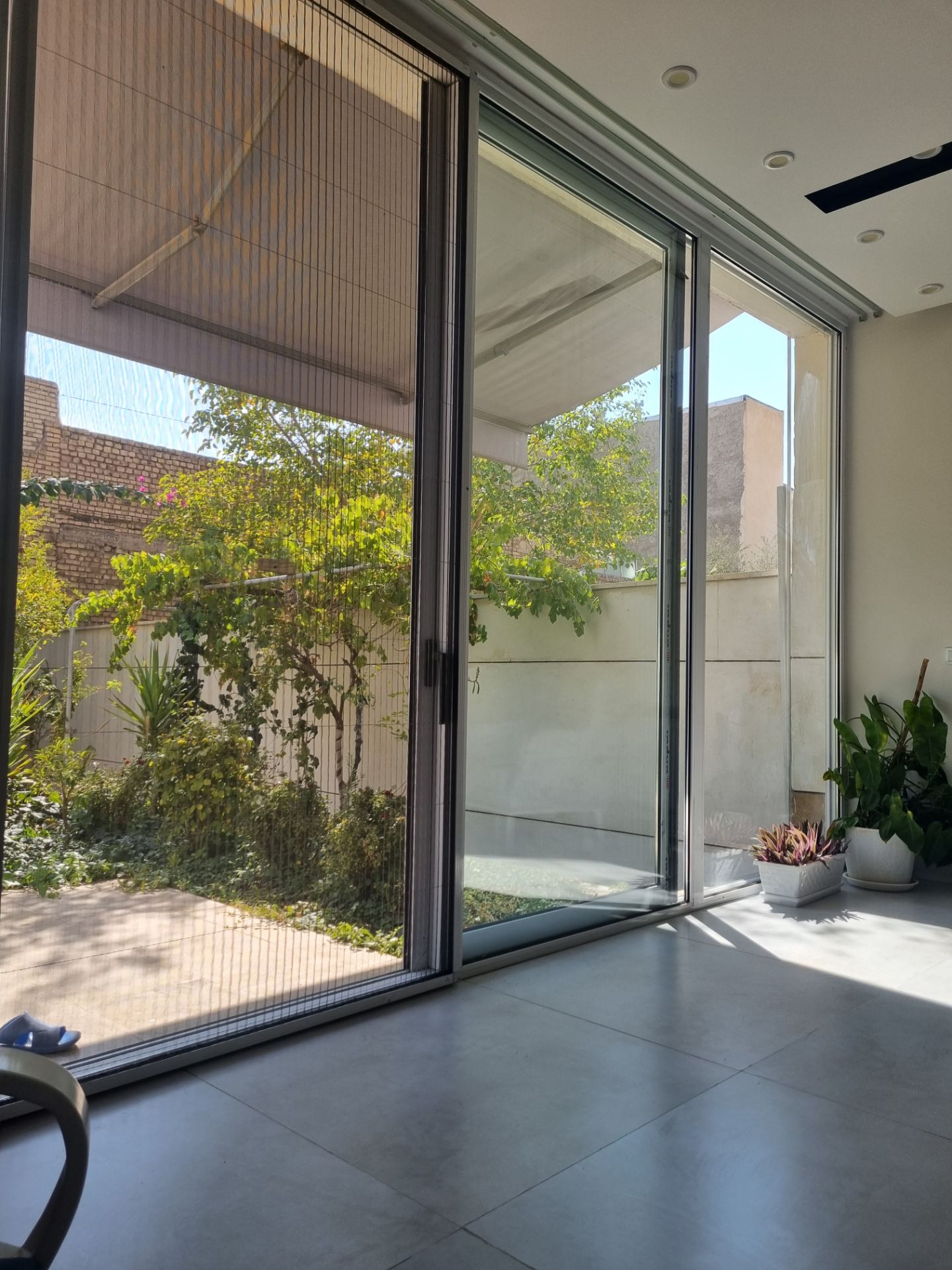
One of the most appealing aspects of modern glass façades is the way they allow natural light to flood into a building. This creates a bright, airy atmosphere that is conducive to productivity and relaxation. Natural light has also been shown to improve mood and promote a sense of well-being, making it an ideal feature for both residential and commercial buildings.
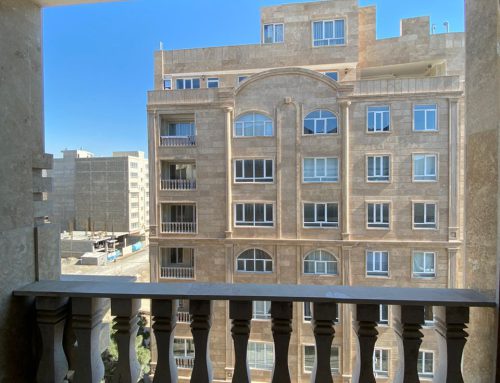
Another advantage of modern glass façades is their ability to showcase the building’s interior design. With traditional building materials, the exterior of a building often hides its true character and style. However, with a glass façade, the interior of a building can be seen from the outside, allowing passersby to appreciate its unique features and design elements.
Despite these benefits, modern glass façades have been the subject of much debate and criticism. Some argue that they contribute to a homogenization of the urban landscape, making cities look sterile and devoid of character. Others believe that they are too expensive and impractical, especially in areas that experience extreme weather conditions.
One of the main criticisms of modern glass façades is their impact on the environment. While they can be highly energy-efficient, the production of glass requires a significant amount of energy and resources. Additionally, the transparency of glass can lead to a phenomenon known as the “heat island effect,” in which urban areas become significantly warmer than surrounding rural areas due to the absorption and retention of heat by buildings and other surfaces. This can have a negative impact on both human health and the environment.
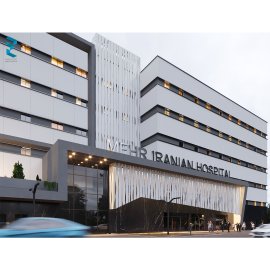
Another issue with modern glass façades is their potential to create a sense of disconnection between the building and the surrounding environment. With their large, reflective surfaces, glass façades can create a barrier between the inside and outside of a building, making it difficult for occupants to feel connected to the outside world. Additionally, the transparency of glass can make it difficult to create a sense of privacy within the building, which can be problematic in certain contexts, such as residential buildings.
Despite these criticisms, many architects and designers continue to embrace modern glass façades as a way to create stunning, innovative structures that push the boundaries of traditional architecture. For these designers, glass represents a way to challenge conventions and create buildings that are both functional and aesthetically pleasing.
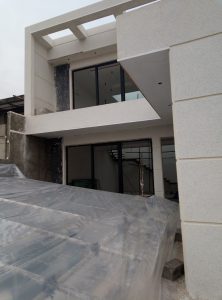
In order to address some of the concerns surrounding modern glass façades, many designers are exploring new approaches to their use. For example, some are experimenting with different types of glass that are more energy-efficient and environmentally friendly. Others are exploring ways to incorporate greenery and other natural elements into glass façades, which can help mitigate the heat island effect and create a more natural, welcoming environment.
Conclusion
In conclusion, modern glass façades represent a significant development in contemporary architecture. While they offer numerous advantages, they have also sparked debate about their impact on the urban landscape and the environment. As designers continue to explore new approaches to their use, it is likely that we will see more innovative and sustainable applications of this versatile material in the years to come. Ultimately, the meaning of modern glass façades will be determined by the ways in which they are utilized and the impact they have on the built environment. As we move towards a more sustainable future, it is important for designers to consider the environmental impact of their creations and to explore new approaches that prioritize both functionality and sustainability.
One potential area for future development is the use of smart glass, which can be programmed to adjust its transparency and shading based on external factors such as temperature and sunlight. This technology has the potential to significantly reduce a building’s energy consumption and minimize its impact on the environment.
Another area of exploration is the use of glass in conjunction with other materials, such as timber or stone, to create more diverse and dynamic structures that retain a sense of connection to their surroundings. This approach can help address some of the criticisms of modern glass façades by creating buildings that are more visually interesting and grounded in their context.
Ultimately
the meaning of modern glass façades will continue to evolve as designers and architects experiment with new materials and approaches. While they offer numerous benefits, they also raise important questions about the role of architecture in shaping our cities and the impact of our built environment on the natural world. As we move towards a more sustainable and equitable future, it is important for designers to engage in these debates and to consider the long-term impact of their creations. By doing so, we can create buildings that are not only beautiful and functional but also environmentally responsible and socially meaningful.
Modern glass façade meaning
Modern glass façade meaning

Leave A Comment