
Modern design window wall

Introduction
In the realm of architectural design, windows have always held a crucial role. They provide natural light, offer captivating views, and establish a connection between indoor and outdoor spaces. With the advent of modern design principles, the concept of the window wall has emerged, revolutionizing the way we interact with our surroundings. In this article, we will explore the essence of modern design window walls and the significant impact they have made on contemporary architecture.
What is a Window Wall?
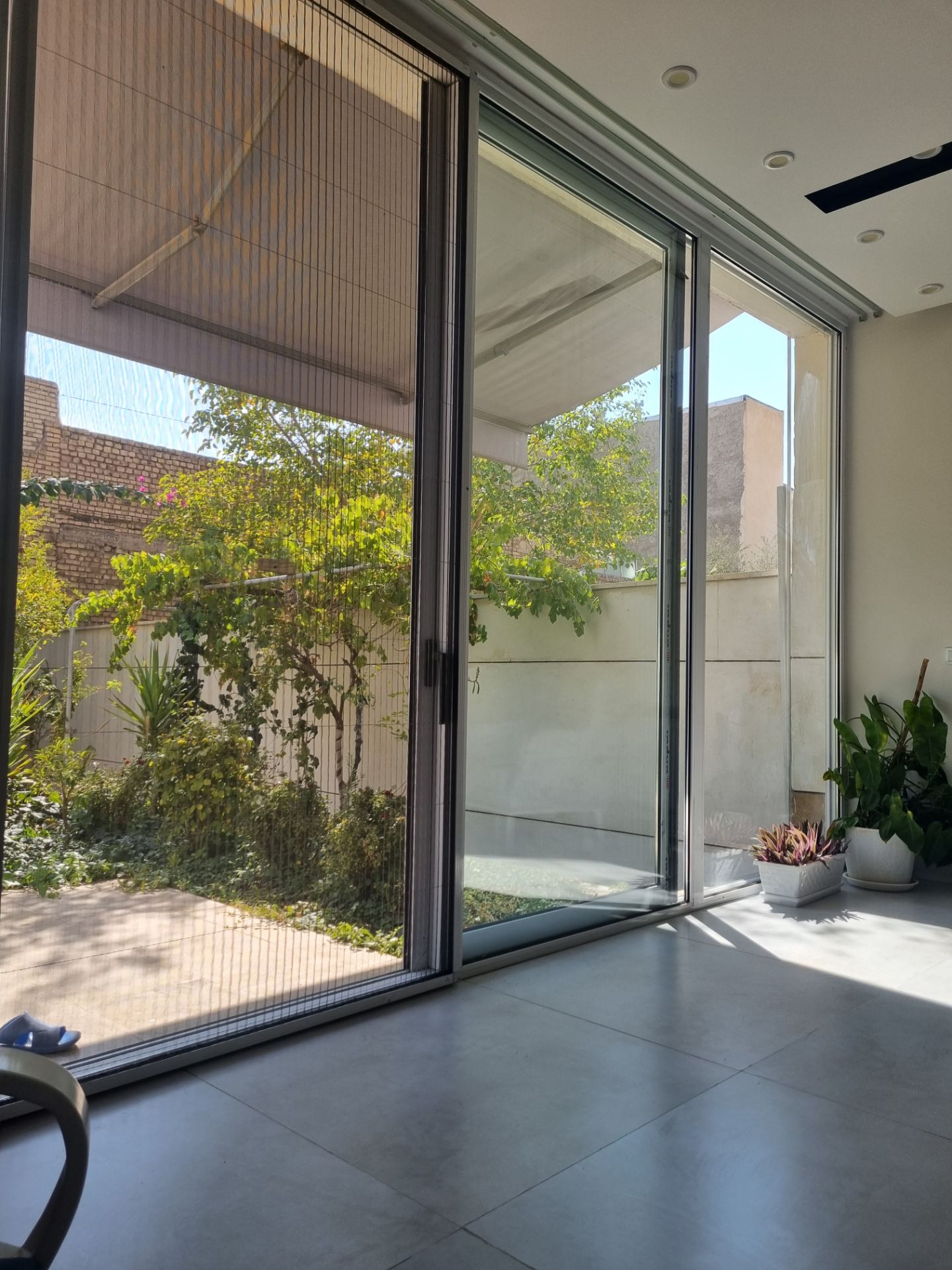
A window wall, often referred to as a glass wall or a curtain wall, is a large expanse of glass that extends from the floor to the ceiling, encompassing an entire facade or a substantial portion of it. Unlike traditional windows, which are confined to specific openings, window walls seamlessly integrate glass panels to create a continuous and uninterrupted flow of light and views.
Maximizing Natural Light
One of the defining features of modern design window walls is their ability to flood interior spaces with an abundance of natural light. The large glass panels act as conduits, allowing daylight to penetrate deep into the building. This not only enhances the aesthetic appeal of the space but also reduces the need for artificial lighting during the daytime, resulting in energy savings.
Connecting Indoor and Outdoor Spaces
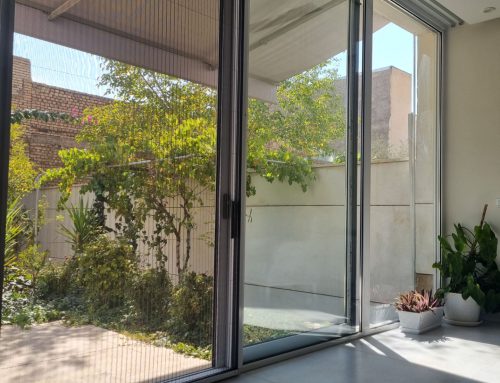
Window walls serve as a bridge between the interior and exterior environments, blurring the boundaries and bringing nature into the living or working spaces. The unobstructed views they provide can transform a room, making it feel more spacious and creating a sense of harmony with the surroundings. Whether it’s a breathtaking landscape, a vibrant cityscape, or a serene garden, window walls enable occupants to enjoy the beauty of nature from the comfort of their own space.
Spatial Expansion and Versatility
By eliminating the traditional constraints imposed by solid walls, window walls open up new possibilities for architectural design. They create an illusion of larger spaces, making even small rooms appear more expansive. The transparency they offer contributes to a sense of airiness and openness, fostering a connection between different areas within a building. Furthermore, window walls can be combined with sliding or folding mechanisms, allowing for flexible spatial configurations that adapt to changing needs and preferences.
Sustainable Design and Energy Efficiency
Modern design window walls not only offer aesthetic benefits but also contribute to sustainable architecture. Advances in glass technology have made it possible to create energy-efficient glazing systems that minimize heat transfer, reducing the reliance on heating and cooling systems. Low-emissivity coatings, insulated glass units, and tinted or reflective glass options are among the many features that enhance energy performance and thermal comfort in buildings with window walls.
Challenges and Solutions
While window walls present numerous advantages, there are also challenges associated with their design and implementation. Adequate insulation, structural considerations, and balancing transparency with privacy are crucial aspects that architects and designers need to address. Collaboration between architects, engineers, and manufacturers can help overcome these challenges and ensure successful integration of window walls into a building’s design.
Implementation Considerations
When incorporating window walls into architectural designs, several key considerations should be taken into account. These factors ensure that the implementation of window walls aligns with the overall vision and goals of the project.
- Structural Integrity: Window walls require careful engineering and structural design to ensure their stability and safety. The weight of the glass panels and the forces exerted by wind and other environmental factors must be properly accounted for. Collaborating with structural engineers is crucial to ensure the window wall system meets all necessary building codes and regulations.
- Insulation and Energy Efficiency: While window walls offer exceptional views and natural light, they can also present challenges in terms of insulation and energy efficiency. Proper insulation is essential to prevent heat loss during colder months and heat gain during hotter months. Utilizing double or triple glazing, low-emissivity coatings, and insulated frames can significantly enhance energy performance.
- Solar Heat Gain and Glare Control: The increased amount of glass in window walls can result in higher solar heat gain, potentially leading to discomfort and increased cooling needs. Implementing shading devices such as exterior louvers, blinds, or specialized glazing can help control solar heat gain and reduce glare, enhancing occupant comfort and reducing energy consumption.
- Privacy and Visual Comfort: Transparency is a hallmark feature of window walls, but privacy concerns may arise, particularly in certain spaces such as bedrooms, bathrooms, or offices. The use of frosted or tinted glass, decorative films, or incorporating other architectural elements for privacy can strike a balance between openness and seclusion, ensuring visual comfort for occupants.
- Maintenance and Cleaning: Window walls require regular maintenance and cleaning to preserve their appearance and functionality. Access to the exterior side of the glass panels should be considered during the design phase to facilitate safe and efficient cleaning procedures.
Examples of Window Wall Designs
Window walls have found their place in a variety of architectural projects, showcasing their versatility and impact on modern design. Here are a few notable examples:
- The Farnsworth House: Designed by Mies van der Rohe, this iconic residence features extensive glass walls that create a seamless connection between the interior and the surrounding natural landscape. The minimalistic design highlights the beauty of the transparent walls, allowing nature to take center stage.
- Apple Park Visitor Center: The visitor center of Apple’s headquarters in Cupertino, California, showcases a stunning window wall facade. The large glass panels provide visitors with panoramic views of the meticulously landscaped grounds, blurring the lines between the interior and exterior spaces.
- Burj Khalifa: As the tallest building in the world, the Burj Khalifa in Dubai incorporates window walls that offer breathtaking views of the city skyline and the Arabian Gulf. The design capitalizes on the building’s height, providing occupants with unparalleled vistas.
- The High Line in New York City: The High Line is an urban park built on a historic freight rail line elevated above the streets of Manhattan. The surrounding buildings along the High Line often feature window walls, allowing visitors to enjoy expansive views of the city while strolling through the park.
Conclusion

Modern design window walls have become a defining element of contemporary architecture, transforming the way we perceive and interact with our built environment. Their ability to maximize natural light, connect indoor and outdoor spaces, and create a sense of openness has revolutionized architectural design. While challenges exist in terms of structural considerations, insulation, and privacy, architects and designers continue to innovate and find solutions. With their immense aesthetic appeal and potential for sustainable design, window walls are sure to remain at the forefront of architectural trends, shaping the future of our built environment.

Leave A Comment