
Louvers Facades in Building Design Construction
Introduction
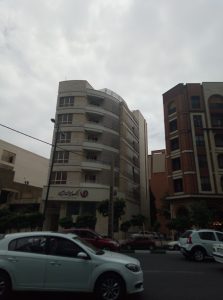
In the world of modern architecture, building facades play a pivotal role in defining the overall appearance and performance of a structure. Among the myriad of facade options available, louvers have emerged as an innovative and versatile choice. Louvers facades are not only aesthetically appealing but also offer a range of functional advantages. This article will explore the concept of louvers facades in building design construction, shedding light on their benefits and applications.
What are Louvers Facades?
Louvers, also known as fins or blades, are thin horizontal or vertical slats often made of metal, glass, or other materials. These slats are strategically placed on building facades to create an aesthetically pleasing appearance and control various environmental factors. Louvers facades can be fixed or operable, allowing for adjustment to achieve specific goals.
Advantages of Louvers Facades
- Solar Control: One of the significant benefits of louvers facades is their ability to control solar heat gain. By allowing natural light into the building while blocking direct sunlight, louvers reduce the need for artificial lighting and minimize the cooling load on air conditioning systems. This translates into energy savings and a more comfortable indoor environment.
- Daylighting: Louvers can be designed to optimize daylighting by diffusing natural light evenly throughout the interior spaces. This not only enhances the visual comfort of occupants but also reduces reliance on electric lighting during the day, further contributing to energy efficiency.
- Privacy and Views: Louvers can be strategically positioned to provide privacy for occupants without compromising on the views from inside the building. By controlling the angle of the louvers, designers can strike the right balance between natural light, visibility, and privacy.
- Aesthetics and Design Flexibility: Louvers add a unique visual appeal to the building facade. They come in various shapes, sizes, and materials, offering architects a wide range of design options to create stunning and distinctive exteriors. Louvers can be integrated with other facade elements, such as glass and cladding, to achieve a harmonious and modern appearance.
- Ventilation: Operable louvers allow for natural ventilation, facilitating the flow of fresh air into the building. This helps maintain a healthy indoor environment and reduces reliance on mechanical ventilation systems, enhancing energy efficiency.
- Rain and Wind Protection: Louvers act as a barrier against heavy rain and strong winds, protecting the building’s interior and occupants from adverse weather conditions.
Applications of Louvers Facades
- Commercial Buildings: Louvers facades are commonly used in office buildings, shopping malls, and other commercial spaces to regulate natural light and solar heat gain, thereby improving energy efficiency and providing a comfortable working environment.
- Educational Institutions: Louvers are increasingly integrated into educational buildings to optimize daylighting, enhance learning environments, and reduce energy consumption.
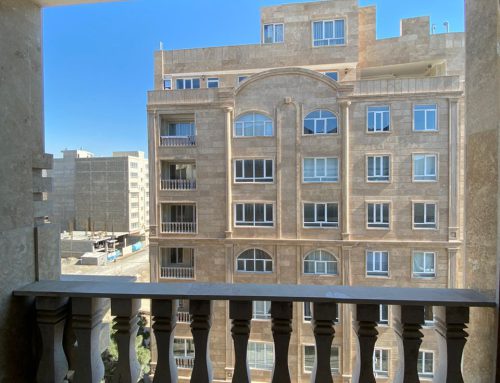
- Residential Buildings: Louvers offer a contemporary and elegant touch to residential structures while providing privacy and solar control for residents.
- Cultural and Recreational Facilities: Louvers can be found in museums, art galleries, sports complexes, and other public facilities to create striking facades that blend artistry with functionality.
Sustainability and Green Building Certifications
As the world becomes more conscious of the impact of buildings on the environment, louvers facades have become an essential element in sustainable design. Buildings incorporating louvers can contribute to green building certifications, such as LEED (Leadership in Energy and Environmental Design) and BREEAM (Building Research Establishment Environmental Assessment Method). These certifications recognize and promote environmentally responsible construction practices, including energy efficiency, daylighting, and indoor environmental quality.
Incorporating louvers into a building design can earn valuable LEED or BREEAM credits, boosting the project’s sustainability credentials. By leveraging the solar control and natural ventilation aspects of louvers, architects can help reduce a building’s overall energy consumption, carbon footprint, and operating costs.
Emerging Technologies and Materials
Advancements in technology and materials are continually shaping the world of louvers facades. Engineers and architects are exploring innovative solutions, such as smart louvers that automatically adjust their positions based on environmental conditions. These intelligent systems can optimize energy usage and occupant comfort by responding to changing weather patterns and solar angles.
Additionally, materials science has introduced new possibilities for louvers facades. Advanced composite materials, nano-coatings, and self-cleaning surfaces are revolutionizing the performance and maintenance requirements of louvers. The use of sustainable materials like recycled metals and bio-based polymers also aligns with the growing demand for eco-friendly construction solutions.
Challenges and Considerations
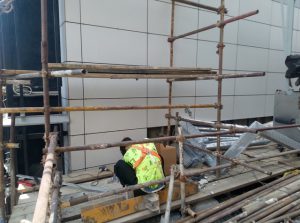
While louvers facades offer numerous advantages, some challenges and considerations must be addressed during the design and implementation phases. Proper orientation and sizing of the louvers are crucial to achieve the desired balance between natural light, solar control, and ventilation. Careful consideration of the local climate and building orientation is essential to maximize the effectiveness of louvers in different regions.
Furthermore, maintenance and cleaning of louvers can be a concern, especially for large or complex facades. Regular maintenance schedules and access provisions must be planned to ensure the longevity and functionality of the louvers.
Conclusion
Louvers facades have proven to be a valuable asset in building design and construction. As architects and designers strive to create sustainable, energy-efficient, and visually appealing structures, louvers offer a versatile solution that addresses these goals simultaneously.
By harnessing natural light, controlling solar heat gain, and providing ventilation, louvers play a significant role in reducing a building’s environmental impact while enhancing indoor comfort for occupants. As technology and materials continue to evolve, the future of louvers facades promises even greater possibilities for sustainable and aesthetically striking buildings. With a focus on innovation and a commitment to sustainable design, louvers will continue to shape the architectural landscape for years to come.

Leave A Comment