
Louver facade design architecture detail
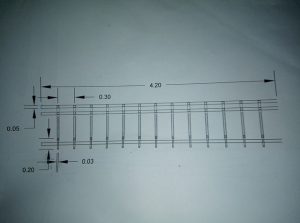
Introduction:
In the realm of architecture, the interplay between form and function continually evolves, giving rise to innovative design solutions. One such captivating architectural element is the louver facade. With its ability to combine aesthetic appeal, functionality, and environmental responsiveness, louver facade design has gained popularity in contemporary architecture. This article aims to delve into the intricacies of louver facades, highlighting their design details, benefits, and notable examples.
- Understanding Louver Facades: Louver facades consist of a series of angled slats or panels, typically made of various materials such as metal, wood, or glass. These slats are strategically placed to create an external layer on a building’s envelope. The primary purpose of louver facades is to provide shade, control sunlight penetration, manage airflow, enhance privacy, and contribute to the overall visual character of the structure.
- Design Details: a. Orientation and Angle: The orientation and angle of louvers play a crucial role in regulating daylight, solar heat gain, and privacy. By carefully angling the louvers, architects can allow natural light to filter into the interior spaces while minimizing glare and excessive heat. The angle also influences the view from both the inside and outside of the building.
b. Material Selection: Louver facades offer a wide range of material choices, allowing architects to explore diverse design possibilities. Metal louvers provide a sleek and modern appearance, while wooden louvers add warmth and texture. Glass louvers, on the other hand, create a transparent and ethereal effect. Material selection should consider durability, maintenance requirements, and compatibility with the overall architectural style.
c. Flexibility and Adjustability: Louver systems can be designed with varying levels of adjustability, providing occupants with control over their immediate environment. Motorized or manually operated mechanisms enable the adjustment of the louvers to optimize lighting conditions, ventilation, and privacy preferences.
- Benefits of Louver Facades: a. Solar Control: By effectively blocking direct sunlight, louver facades reduce solar heat gain, thus minimizing the need for excessive air conditioning and reducing energy consumption. This solar control also helps in maintaining a comfortable indoor environment and mitigating the impact of harmful UV radiation.
b. Daylight Optimization: Louver facades allow architects to harness natural daylight while mitigating glare. The angled slats enable the filtering of sunlight, creating a harmonious balance between illumination and shading. This results in visually pleasing and well-lit interior spaces, reducing reliance on artificial lighting.
c. Ventilation and Airflow: The design of louver facades can be optimized to encourage natural ventilation by allowing air to pass through the openings between the slats. This promotes airflow, reduces reliance on mechanical ventilation systems, and enhances the occupants’ comfort.
d. Visual Appeal: Louver facades add a distinctive aesthetic quality to a building’s exterior. Their dynamic forms and patterns create a visually captivating façade, contributing to the architectural identity of the structure. Louvers can be incorporated into various building types, including commercial buildings, residential complexes, cultural institutions, and public spaces.
- Notable Examples: a. The Louvre Abu Dhabi: Designed by Pritzker Prize-winning architect Jean Nouvel, the Louvre Abu Dhabi features a stunning louvered dome that filters sunlight to create a captivating “rain of light” effect, enhancing the museum’s interior spaces.
b. The Metropol Parasol, Seville: A prime example of contemporary louver facade design, the Metropol Parasol in Seville, Spain, boasts a striking honeycomb-like structure that provides shade, shelter, and panoramic views of the city.
c. The Leadenhall Building, London: Designed by Rogers Stirk Harbour + Partners, the Leadenhall Building, also known as “The Cheesegrater,” features a louvered façade that reduces solar heat gain, enhances daylighting, and contributes to its distinctive appearance in the London skyline.
- Sustainability and Energy Efficiency: Louver facades contribute to sustainable architecture by reducing a building’s energy consumption. By effectively controlling solar heat gain and maximizing natural lighting, they help reduce the reliance on artificial lighting and mechanical cooling systems. This results in lower energy usage, decreased carbon footprint, and improved overall energy efficiency. Additionally, louver facades can be integrated with renewable energy technologies such as photovoltaic panels, further enhancing the sustainability of the building.
- Integration with Building Automation Systems: Advancements in technology have facilitated the integration of louver facades with building automation systems. By incorporating sensors and intelligent controls, the orientation and positioning of the louvers can be automatically adjusted based on factors such as time of day, solar angle, and occupant preferences. This seamless integration enhances the efficiency of the facade, optimizes occupant comfort, and allows for real-time response to changing environmental conditions.
- Cultural and Contextual Considerations: Louver facades offer architects the opportunity to create designs that respond to the local climate, culture, and context of a building’s location. The selection of materials, patterns, and colors can be influenced by the surrounding architectural language and cultural references. Louvers can also be designed to reflect cultural motifs, creating a unique visual identity for the building while maintaining a sense of place.
- Maintenance and Durability: Proper maintenance and regular inspections are essential for ensuring the longevity and performance of louver facades. The materials chosen should be durable, resistant to weathering, and easy to clean. Routine cleaning of the louvers will prevent the accumulation of dust, debris, or organic growth that can affect their functionality and appearance. It is also important to address any mechanical or electrical components, such as motors or controls, to ensure their proper operation.
- Future Trends: As sustainable design practices continue to evolve, louver facades are expected to evolve as well. Advancements in materials, manufacturing techniques, and digital technologies will likely lead to more innovative and responsive louver systems. The integration of smart materials, self-adjusting mechanisms, and advanced energy management systems will further enhance the performance and functionality of louver facades in the future.
Conclusion:
Louver facades represent a harmonious blend of functionality, aesthetics, and environmental responsiveness in architecture. Through careful design considerations, these facades offer benefits such as solar control, daylight optimization, ventilation, and visual appeal. With their sustainable attributes and potential for integration with advanced technologies, louver facades are poised to continue shaping the future of architectural design. As architects and designers explore new possibilities, louver facades will undoubtedly remain an enduring element that transforms buildings into iconic structures that inspire and engage.

Leave A Comment