
Key Takeaway
Introduction:
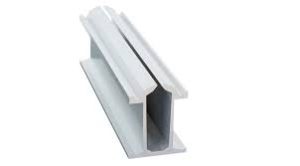
In the ever-evolving landscape of industrial materials, aluminum has emerged as a versatile and widely-used metal with applications spanning across various industries. One of the key elements contributing to its popularity is the aluminum profile – a structural component that has revolutionized the way we design and manufacture products. In this article, we will delve into the key takeaways of aluminum profiles and explore the reasons behind their widespread adoption in modern industries.
Lightweight and Durable:
One of the most prominent advantages of aluminum profiles is their exceptional strength-to-weight ratio. Despite being lightweight, aluminum is inherently strong, making it an ideal material for applications where durability and structural integrity are crucial. This characteristic is particularly beneficial in industries such as aerospace, automotive, and construction, where the demand for lightweight materials that do not compromise on strength is paramount.
Versatility in Design:
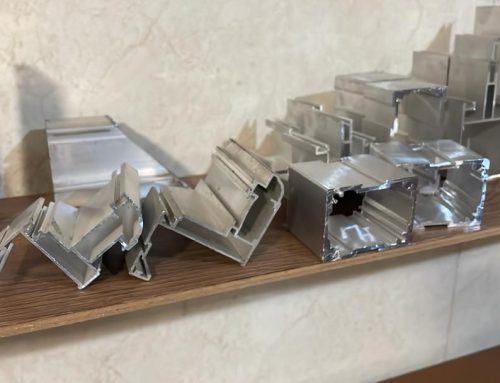
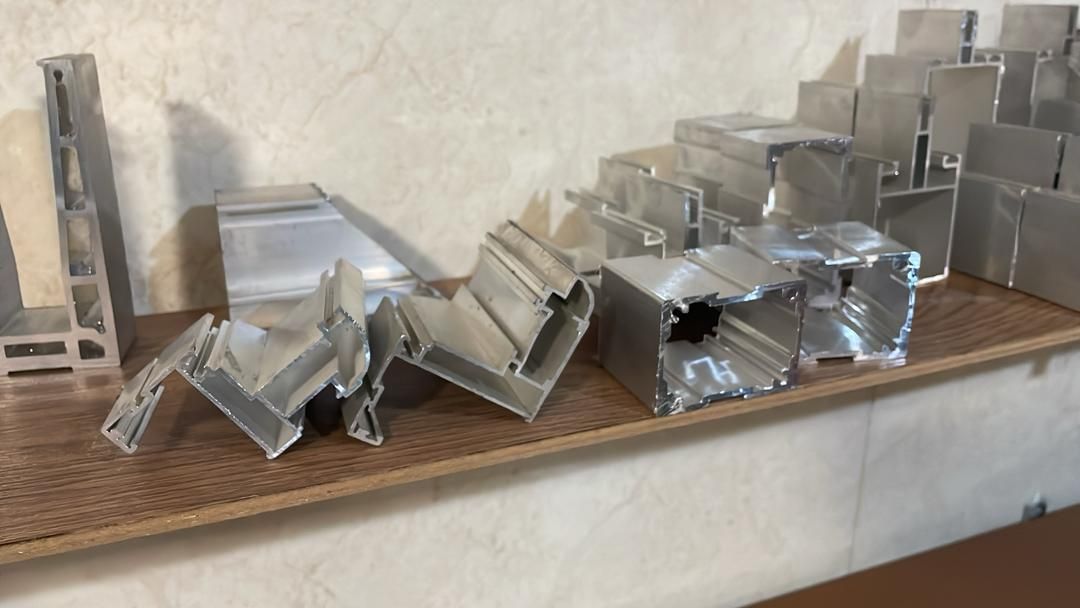
Aluminum profiles offer unmatched versatility in design, allowing engineers and designers to create complex and innovative structures. The extrusion process used in the manufacturing of aluminum profiles enables the creation of intricate shapes and configurations, making them adaptable to a wide range of applications. This flexibility is advantageous in industries such as architecture, where aesthetically pleasing and functional designs are essential.
Corrosion Resistance:
Aluminum possesses a natural oxide layer that provides inherent corrosion resistance. This makes aluminum profiles suitable for use in challenging environments, including those with high humidity, saltwater exposure, or chemical exposure. As a result, aluminum profiles are extensively employed in marine applications, outdoor structures, and other settings where resistance to corrosion is crucial for longevity.
Ease of Fabrication and Assembly:
Aluminum profiles are relatively easy to fabricate and assemble, thanks to their malleability and compatibility with various joining methods. The extrusion process allows for the creation of profiles with consistent dimensions, facilitating precise and efficient assembly. This characteristic not only streamlines the manufacturing process but also contributes to cost savings and improved overall efficiency.
Thermal Conductivity:
Aluminum is an excellent conductor of heat, making aluminum profiles well-suited for applications requiring efficient heat dissipation. Industries such as electronics, where thermal management is critical, benefit from the use of aluminum profiles in heat sinks and other components. The high thermal conductivity of aluminum helps dissipate heat effectively, preventing damage to sensitive electronic devices.
Recyclability and Sustainability:
In an era where sustainability is a key consideration, aluminum profiles stand out as an eco-friendly option. Aluminum is fully recyclable without compromising its structural integrity, making it a sustainable choice for manufacturers looking to reduce their environmental impact. The recyclability of aluminum contributes to the circular economy by minimizing waste and reducing the need for virgin materials.
Advancements in Aluminum Profile Technology:
As technology progresses, so does the innovation in aluminum profile manufacturing. New techniques and alloys are constantly being developed to enhance the performance and capabilities of aluminum profiles. High-strength aluminum alloys are being introduced, allowing for even greater structural integrity without compromising on weight. These advancements open up new possibilities for applications in industries where lightweight yet robust materials are a necessity.
Surface Finishes and Customization:
Aluminum profiles offer an extensive range of surface finishes, enabling manufacturers to meet specific aesthetic and functional requirements. From anodizing to powder coating, these finishes not only enhance the appearance but also contribute to the profiles’ corrosion resistance and durability. Customization options are vast, allowing industries to tailor aluminum profiles to their unique needs, further expanding their application across various sectors.
Integration with Emerging Technologies:
The adaptability of aluminum profiles extends to their seamless integration with emerging technologies. In industries such as the renewable energy sector, aluminum profiles play a crucial role in the development of solar panel frames and wind turbine components. Their lightweight nature facilitates ease of transportation and installation, while their durability ensures long-term performance in harsh environmental conditions.
Cost-Efficiency and Lifecycle Benefits:
Aluminum profiles provide a compelling cost advantage over alternative materials, especially when considering their longevity and low maintenance requirements. The initial investment in aluminum profiles is often outweighed by the extended lifecycle and reduced need for replacements or repairs. This cost-efficiency, coupled with the recyclability of aluminum, aligns with the growing emphasis on sustainable and economically viable manufacturing practices.
Global Regulatory Compliance:
Aluminum profiles often comply with international standards and regulations, ensuring that they meet safety and quality requirements across different markets. This compliance is particularly vital in industries such as transportation and construction, where adherence to global standards is non-negotiable. The ability of aluminum profiles to meet these stringent criteria contributes to their widespread acceptance on a global scale.
Challenges and Future Outlook:
While aluminum profiles offer numerous advantages, it’s essential to acknowledge some challenges associated with their production and use. Energy-intensive processes, particularly in the initial extraction of aluminum from bauxite ore, contribute to the environmental footprint. However, ongoing research and development focus on improving the efficiency of these processes and reducing the overall environmental impact.
Looking forward, the future of aluminum profiles seems promising. Continued research into advanced alloys, surface treatments, and sustainable manufacturing processes will likely lead to even more efficient and eco-friendly solutions. Innovations in recycling technologies could further enhance the circular economy model, making aluminum profiles an increasingly sustainable choice.
Emerging Applications:
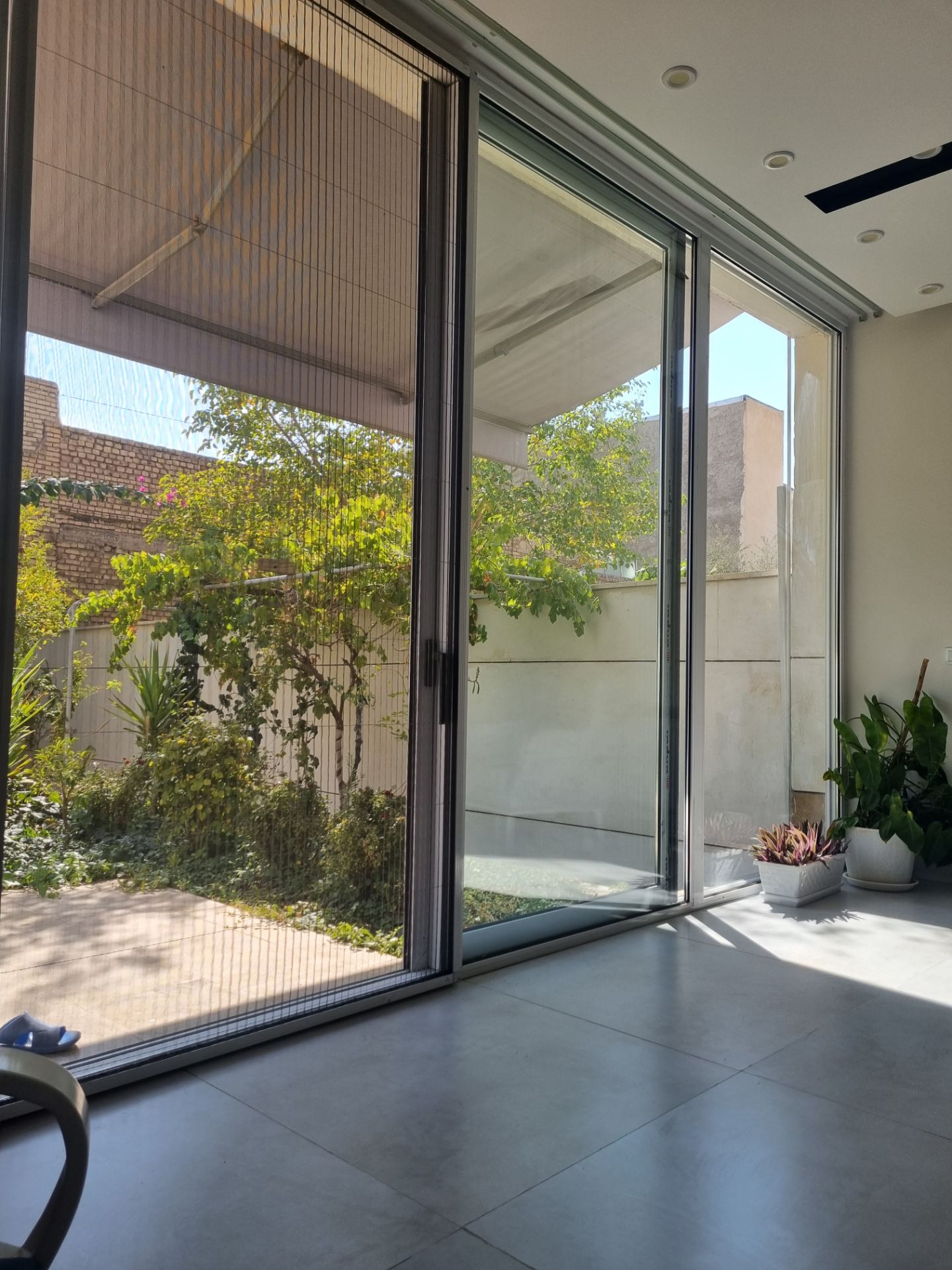
As technology evolves, new applications for aluminum profiles are emerging. In the automotive industry, for instance, aluminum profiles are integral to the development of electric vehicles (EVs) due to their lightweight nature, contributing to increased energy efficiency and extended battery range. Additionally, the construction sector is exploring the use of aluminum profiles in the creation of energy-efficient and environmentally friendly buildings.
Collaboration and Industry Trends:
Collaboration between industries and research institutions is crucial for pushing the boundaries of aluminum profile applications. Cross-industry partnerships can lead to the development of innovative solutions, addressing challenges and creating new opportunities. Trends such as the rise of smart cities, automation, and the Internet of Things (IoT) are likely to further drive the demand for lightweight, durable, and technologically advanced materials like aluminum profiles.
Continued Innovation and Research:
The journey of aluminum profiles is marked by a commitment to innovation and continuous improvement. Research and development efforts are focused on overcoming existing challenges and pushing the boundaries of what aluminum profiles can achieve. Advanced manufacturing technologies, including 3D printing and precision machining, are being explored to further enhance the design flexibility and production efficiency of aluminum profiles.
Researchers are also delving into nanotechnology to develop nanostructured aluminum materials with enhanced properties. These advancements hold the potential to revolutionize various industries by offering aluminum profiles with unprecedented strength, durability, and conductivity.
Global Market Dynamics:
The global market for aluminum profiles is experiencing significant growth, driven by the increasing demand from key industries such as transportation, construction, and electronics. As developing economies continue to urbanize and modernize, the demand for lightweight, durable materials like aluminum profiles is expected to rise. The globalization of supply chains and manufacturing processes further contributes to the expansion of the aluminum profile market on a global scale.
Environmental Stewardship and Circular Economy:
The sustainability of aluminum profiles remains a focal point for manufacturers and end-users alike. Efforts to reduce the environmental impact of aluminum production include the implementation of green energy sources, improved recycling technologies, and the adoption of closed-loop systems. The aluminum industry’s commitment to a circular economy is evident in the increasing rates of aluminum recycling, contributing to resource conservation and waste reduction.
Challenges and Solutions:
While aluminum profiles offer numerous benefits, challenges such as energy-intensive extraction processes and initial production costs persist. However, the industry’s response to these challenges is encouraging. Ongoing initiatives aim to develop more sustainable extraction methods and optimize energy efficiency throughout the production lifecycle. Collaborative efforts between industry stakeholders, policymakers, and environmental advocates are essential in addressing these challenges and fostering responsible aluminum production practices.
The Role of Aluminum Profiles in a Sustainable Future:
As societies globally shift towards more sustainable practices, the role of aluminum profiles becomes increasingly significant. From energy-efficient buildings to eco-friendly transportation solutions, aluminum profiles contribute to a more sustainable and resilient future. The emphasis on renewable energy, reduced carbon footprints, and environmentally conscious manufacturing aligns seamlessly with the attributes of aluminum profiles, making them integral to the pursuit of a greener and more sustainable world.
Final Thoughts:
Aluminum profiles have undoubtedly transformed the industrial landscape, offering a winning combination of strength, versatility, and sustainability. The journey of aluminum profiles is characterized by ongoing innovation, addressing challenges, and adapting to the evolving needs of diverse industries. As we look ahead, the continued collaboration between industries, advancements in technology, and a steadfast commitment to environmental responsibility will shape the future trajectory of aluminum profiles, ensuring they remain at the forefront of modern manufacturing and design.



Leave A Comment