
Is curtain wall more expensive than window wall
Is curtain wall more expensive than window wall,In the realm of modern architecture, the balance between aesthetics, functionality, and cost-effectiveness is a constant consideration. Among the many decisions architects and designers face, the choice between curtain walls and window walls for building facades has long been a topic of debate, often accompanied by the assumption that curtain walls are more expensive than window walls. However, is this really the case, or is it a myth that needs debunking?
Understanding Curtain Walls and Window Walls:
Before diving into the cost comparisons, let’s clarify the key differences between curtain walls and window walls.
Curtain Walls: A curtain wall is an external building envelope that is non-structural, meaning it does not support the weight of the building. It consists of glass, metal frames, and occasionally other materials, covering the building’s exterior like a “curtain.” Curtain walls are designed to provide a seamless, modern appearance while maximizing natural light and offering exceptional thermal performance.
Window Walls: Window walls, on the other hand, are also non-structural systems, but they typically comprise larger glass panels with thinner framing elements compared to curtain walls. They are a blend of conventional window systems and curtain walls, providing a similar aesthetic to curtain walls but often at a lower cost due to reduced materials and complexity.
The Cost Factor:
It is widely believed that curtain walls are more expensive than window walls, primarily due to their larger panels, increased customization options, and intricate designs. However, the cost difference between the two systems isn’t as straightforward as it might seem. Several factors influence the overall cost, and it’s essential to consider each one:
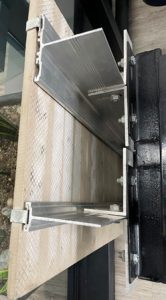
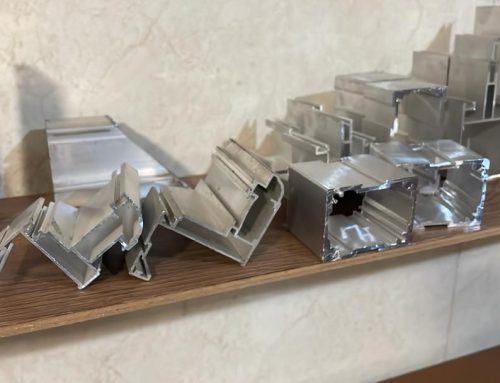
- Materials: Curtain walls tend to use more substantial framing materials due to their larger panels and potentially more complex designs. Window walls, with their thinner framing elements, might seem more cost-effective in terms of material usage.
- Labor and Installation: The installation process for both systems can be complex, involving precise measurements, careful placement, and sealing. However, curtain walls might require more intricate installation due to their larger and sometimes irregular panel shapes.
- Customization: Curtain walls offer more opportunities for customization in terms of design, shape, and size. While this flexibility can lead to higher costs, it also provides architects with the chance to create unique and stunning facades that reflect the building’s purpose and identity.
- Energy Efficiency: Both curtain walls and window walls can contribute to a building’s energy efficiency, but curtain walls often offer superior thermal performance. The additional insulation and energy-saving features might offset their initial higher costs in the long run.
- Maintenance and Lifespan: The durability of the materials used, as well as the quality of installation, will affect the long-term maintenance costs. Higher upfront costs for better materials and workmanship can result in lower maintenance expenses over the building’s life.
- Project Scale and Location: The scale of the project and its geographical location can impact costs. Larger projects might see economies of scale that could make curtain walls more cost-effective. Additionally, local labor and material costs vary, affecting the overall budget.
The Verdict:
While the perception that curtain walls are inherently more expensive than window walls isn’t entirely unfounded, it’s important to note that the cost difference isn’t definitive and can vary significantly depending on several factors. A blanket statement declaring one system to be more expensive than the other doesn’t capture the intricacies of architectural design and construction.
Architects, builders, and developers should prioritize a holistic approach that considers the project’s specific requirements, the desired aesthetics, energy efficiency goals, and long-term maintenance costs. Rather than fixating solely on upfront expenses, the focus should be on achieving a balanced, cost-effective solution that aligns with the project’s vision and objectives.
Challenges and Benefits of Curtain Walls and Window Walls:
Both curtain walls and window walls come with their own set of challenges and benefits that further influence the cost considerations:
Curtain Walls:
Benefits:
- Architectural Flexibility: Curtain walls offer unmatched design versatility, allowing architects to create iconic and unique facades that stand out.
- Thermal Performance: With the potential for better insulation and energy efficiency, curtain walls contribute to reduced heating and cooling costs over the building’s lifespan.
- Aesthetics: The seamless appearance and larger glass panels of curtain walls create a modern and visually appealing exterior.
Challenges:
- Complexity: The intricate design and installation process of curtain walls can increase labor and construction costs.
- Material Costs: The use of larger and potentially more expensive framing materials can drive up initial expenses.
- Maintenance: Complex designs might require more specialized maintenance, impacting long-term costs.
Window Walls:
Benefits:
- Cost Efficiency: Window walls often use thinner frames and simpler designs, resulting in lower material and installation costs.
- Installation: The simplified installation process can lead to quicker project timelines, reducing labor costs.
- Natural Light: Window walls offer ample natural light and can contribute to a well-lit and inviting interior space.
Challenges:
- Limited Customization: While window walls offer aesthetic appeal, they might not provide the same level of design flexibility as curtain walls.
- Energy Efficiency: Although window walls can be energy-efficient, they might not match the thermal performance of curtain walls.
Making an Informed Choice:
When it comes to choosing between curtain walls and window walls, the decision should be based on a thorough understanding of the project’s requirements, budget constraints, design aspirations, and long-term goals. While curtain walls might come with higher upfront costs, their potential for exceptional aesthetics and energy efficiency can deliver returns over time. On the other hand, window walls can provide cost-effective solutions without sacrificing too much on visual appeal and natural light.
Collaboration among architects, engineers, builders, and project stakeholders is essential to strike the right balance between cost and design. A comprehensive cost-benefit analysis that considers factors like material choices, installation complexity, maintenance projections, and energy efficiency can guide the decision-making process.
Conclusion:
The notion that curtain walls are inherently more expensive than window walls is a simplified view that doesn’t capture the intricacies of architectural design, construction, and long-term building performance. Both systems have their advantages and challenges, and the cost difference between them can be influenced by numerous factors.
As architects continue to push the boundaries of innovation and sustainability, the choice between curtain walls and window walls becomes a matter of strategic consideration rather than a mere budgetary constraint. By embracing a holistic approach that values both aesthetics and cost-efficiency, architects can create buildings that inspire, endure, and stand as testaments to the art and science of architecture,Is curtain wall more expensive than window wall.


Leave A Comment