
Interesting information about the advantages and disadvantages of curtain wall facades
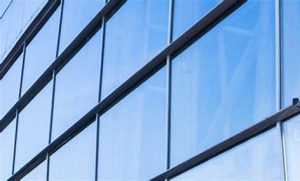
Interesting information about the advantages and disadvantages of curtain wall facades ,Curtain wall facades have become a hallmark of modern architecture, gracing the skylines of cities around the world. These sleek, glass-clad structures offer a myriad of benefits, but they also come with their own set of challenges. In this article, we delve into the fascinating world of curtain wall facades, exploring their advantages and disadvantages.
Advantages:
1. Aesthetic Appeal:
- Contemporary Design: Curtain walls provide architects with the freedom to create striking and innovative designs, enhancing the visual appeal of buildings.
- Versatility: They can be customized in terms of color, texture, and shape, allowing for a wide range of architectural expressions.
2. Natural Light and Views:
- Daylighting: Glass curtain walls maximize natural light penetration, reducing the need for artificial lighting and creating a brighter, more inviting interior space.
- Panoramic Views: Occupants can enjoy unobstructed views of the surrounding landscape, fostering a connection with the outdoors.
3. Energy Efficiency:
- Thermal Performance: Advanced glazing technologies and insulation systems improve thermal efficiency, reducing heating and cooling loads.
- Solar Heat Gain Control: Low-emissivity coatings and shading devices mitigate solar heat gain, enhancing comfort and reducing energy consumption.
4. Structural Advantages:
- Lightweight Construction: Curtain walls are typically lighter than traditional building facades, exerting less structural load on the building frame.
- Seismic Performance: They can be designed to withstand seismic forces, enhancing the resilience of the building in earthquake-prone regions.
5. Speed of Construction:
- Prefabrication: Components of curtain walls are often fabricated off-site, accelerating the construction process and minimizing on-site disruption.
- Installation Efficiency: Curtain walls can be erected quickly, reducing construction time and overall project costs.
Disadvantages:
1. Maintenance Challenges:
- Cleaning: Glass panels require regular cleaning to maintain their transparency and appearance, posing logistical challenges for tall buildings.
- Sealant Degradation: Sealants used in curtain walls may degrade over time, leading to air and water infiltration if not properly maintained.
2. Cost Considerations:
- Initial Investment: The upfront cost of curtain wall systems can be higher compared to traditional facades, impacting project budgets.
- Repairs and Replacements: Repairs or replacements of damaged components can be expensive, particularly for specialized glass and framing systems.
3. Thermal Performance Limitations:
- Thermal Bridging: Metal framing components in curtain walls can act as thermal bridges, compromising overall energy efficiency.
- Condensation Risk: Poorly designed curtain walls may experience condensation buildup, leading to moisture-related issues and potential damage.
4. Solar Glare and Heat Gain:
- Glare: Glare from reflective glass surfaces can create discomfort for occupants and impact visual comfort indoors.
- Overheating: Inadequate solar control measures may result in excessive heat gain during peak sunlight hours, necessitating additional cooling measures.
5. Design Constraints:
- Structural Limitations: The design of curtain walls must consider structural integrity and load-bearing requirements, which may impose constraints on architectural creativity.
- Compatibility Issues: Integrating curtain walls with other building systems, such as HVAC and fire protection, requires careful coordination and may limit design options.
Overcoming Challenges and Maximizing Benefits:
1. Regular Maintenance and Inspections:
- Implementing a proactive maintenance plan is crucial for preserving the performance and appearance of curtain wall systems.
- Conducting periodic inspections can help identify potential issues early on, allowing for timely repairs and preventing costly damage.
2. Cost-Effective Solutions:
- Exploring alternative materials and design strategies can help mitigate the initial cost barrier associated with curtain walls.
- Investing in high-quality, durable components may incur higher upfront costs but can yield long-term savings through reduced maintenance and improved energy efficiency.
3. Enhanced Thermal Performance:
- Employing innovative technologies such as thermally broken framing systems and triple-glazed units can enhance the thermal performance of curtain walls.
- Integrating shading devices, such as louvers or exterior blinds, can effectively control solar heat gain while maintaining visual comfort indoors.
4. Mitigating Glare and Heat Gain:
- Utilizing low-reflectivity glass and advanced coatings can help minimize glare without sacrificing daylighting or views.
- Implementing passive design strategies, such as strategic orientation and external shading, can reduce overheating and reliance on mechanical cooling systems.
5. Integrated Design Approach:
- Collaborating with multidisciplinary teams early in the design process facilitates seamless integration of curtain walls with other building systems.
- Utilizing Building Information Modeling (BIM) technology enables comprehensive coordination and optimization of curtain wall designs.
Future Trends and Innovations:
1. Smart Facades:
- Integration of sensors, actuators, and dynamic shading systems enables adaptive control of curtain wall performance in response to environmental conditions.
- Incorporating responsive facade technologies enhances occupant comfort, energy efficiency, and overall building performance.
2. Biophilic Design:
- Incorporating biophilic elements into curtain wall designs, such as green walls or natural materials, fosters connections with nature and promotes occupant well-being.
- Biophilic interventions can mitigate some of the challenges associated with traditional curtain walls, such as glare and heat gain, while enhancing aesthetic appeal.
3. Circular Economy Principles:
- Embracing principles of circular economy encourages the use of recycled materials and facilitates end-of-life recycling or repurposing of curtain wall components.
- Designing for disassembly and modular construction supports sustainable practices and reduces the environmental footprint of curtain wall systems.
4. Advancements in Material Science:
- Ongoing research and development in material science are leading to the emergence of innovative materials with enhanced performance and sustainability credentials.
- Next-generation materials, such as aerogel-based insulation or self-healing coatings, hold promise for addressing existing challenges and pushing the boundaries of curtain wall design.
5. Climate Resilient Design:
- Designing resilient curtain wall systems that can withstand extreme weather events, such as hurricanes or flooding, is paramount in the face of climate change.
- Integrating passive and active measures for climate adaptation ensures the longevity and functionality of curtain walls in a changing environment.
Conclusion:
Curtain wall facades stand as a testament to the ever-evolving landscape of architecture, marrying form and function in captivating ways. The journey of exploring their advantages and disadvantages is not just a critique but an invitation to a continuous dialogue within the architectural community. As we continue to push the boundaries of design, construction, and sustainability, curtain walls will undoubtedly play a significant role in shaping the skylines of our cities.
Architects, engineers, and developers must approach the challenges posed by curtain walls with a mindset of innovation and adaptability. The integration of advanced technologies, sustainable practices, and a holistic design approach will pave the way for future-proofed buildings that not only captivate the eye but also embody environmental responsibility and occupant well-being.
In the pursuit of architectural excellence, it is essential to view curtain walls not as mere façades but as dynamic elements that contribute to the overall performance and resilience of a building. By addressing maintenance concerns, cost considerations, and environmental impacts head-on, we can foster a new era of curtain wall design that transcends the limitations of the past.
As we look to the future, the fusion of smart technologies, biophilic principles, circular economy practices, and climate-resilient design will redefine the possibilities of curtain walls. This evolution will not only enhance the aesthetic allure of our urban landscapes but also contribute to a sustainable and harmonious coexistence with the environment.
In the grand tapestry of architectural progress, curtain walls emerge as both the canvas and the frame, allowing us to paint a picture of innovation, resilience, and beauty. As architects and designers continue to push the boundaries of what is possible, curtain walls will undoubtedly remain a focal point, capturing the essence of contemporary architecture and reflecting the aspirations of a society in constant evolution, Interesting information about the advantages and disadvantages of curtain wall facades.

Leave A Comment