
Implementation of curtain wall with the best quality
Introduction:
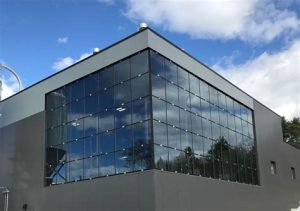
Implementation of curtain wall with the best quality ,In the realm of modern architecture, curtain walls stand as iconic symbols of innovation, functionality, and aesthetic appeal. These architectural marvels not only define the exterior of buildings but also serve as essential components for energy efficiency, environmental sustainability, and occupant comfort. However, achieving the highest quality in the implementation of curtain walls requires meticulous planning, precise execution, and the integration of cutting-edge technology and materials. In this article, we delve into the intricacies of implementing curtain walls with the utmost quality.
Understanding Curtain Walls:
Before delving into their implementation, it’s crucial to grasp the fundamentals of curtain walls. Unlike traditional load-bearing walls, curtain walls are non-structural facades typically composed of lightweight materials such as glass, aluminum, or steel. They are designed to bear only their weight and the environmental forces acting upon them, transferring the load to the building’s structure through connections like anchors, mullions, and transoms.
Key Factors for High-Quality Implementation:
- Design Excellence: The foundation of a superior curtain wall lies in its design. Architects and engineers must collaborate closely to develop a design that not only fulfills aesthetic aspirations but also meets performance requirements such as structural integrity, weather resistance, thermal efficiency, and acoustic insulation. Utilizing advanced software for modeling and simulation can aid in optimizing the design to achieve the desired outcomes.
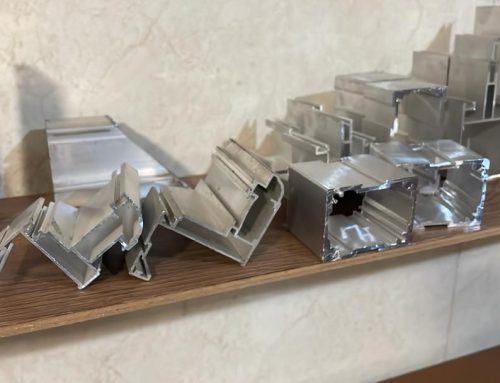
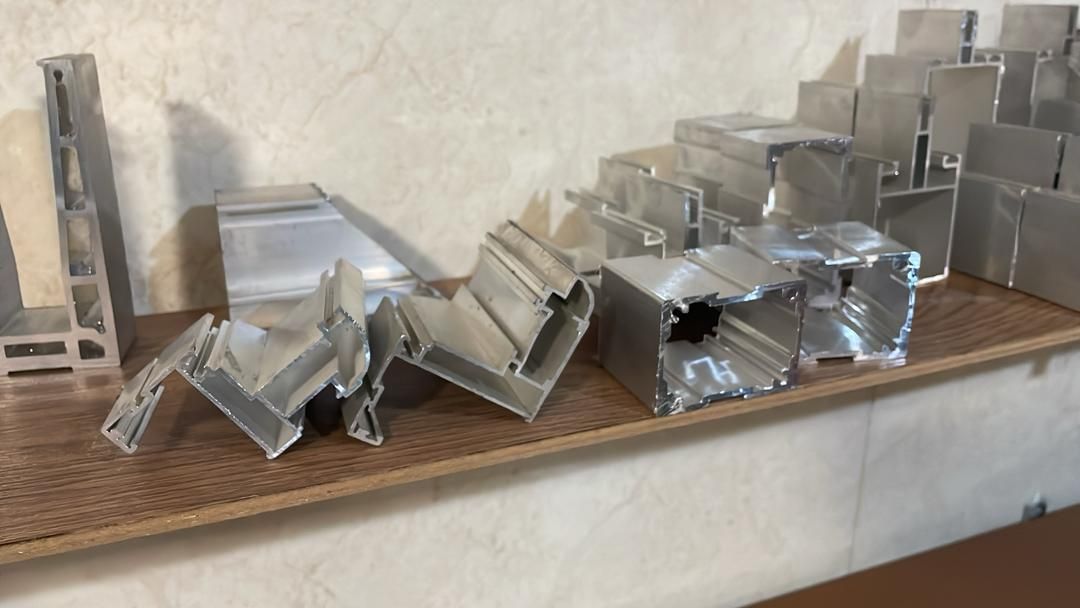
- Material Selection: Choosing the right materials is paramount in ensuring the quality and longevity of a curtain wall system. High-performance glass with low-emissivity coatings, thermally broken aluminum frames, and durable sealants are often preferred for their ability to withstand environmental factors while maintaining visual clarity and energy efficiency. Additionally, considering factors like sustainability and recyclability can further enhance the overall quality of the installation.
- Precision Engineering: The installation process demands meticulous attention to detail and precision engineering to guarantee the integrity of the curtain wall system. Each component must be accurately fabricated, assembled, and installed according to the manufacturer’s specifications and industry standards. Employing skilled craftsmen and utilizing state-of-the-art equipment and techniques, such as laser scanning and robotic assembly, can minimize errors and ensure a seamless integration with the building structure.
- Quality Control and Testing: Implementing rigorous quality control measures throughout the fabrication and installation phases is essential for identifying and rectifying any defects or deficiencies early on. Conducting comprehensive testing, including water penetration, air infiltration, structural integrity, and thermal performance tests, helps validate the effectiveness of the curtain wall system and ensures compliance with regulatory requirements and industry standards.
- Continuous Maintenance and Monitoring: Even after installation, maintaining the quality and performance of curtain walls requires ongoing maintenance and monitoring. Regular inspections, cleaning, and repairs are necessary to address wear and tear, prevent water infiltration, and preserve the aesthetic appeal of the facade. Implementing proactive maintenance programs and leveraging digital monitoring technologies can help identify issues promptly and extend the lifespan of the curtain wall system.
- Collaboration and Communication: Effective collaboration and communication among all stakeholders are essential for the successful implementation of curtain walls. Architects, engineers, contractors, and manufacturers must work closely together from the initial design phase through construction and beyond. Clear communication channels and regular meetings facilitate the exchange of ideas, address concerns, and streamline decision-making processes, ultimately ensuring alignment with project goals and quality standards.
- Compliance with Regulatory Standards: Compliance with building codes, regulations, and industry standards is non-negotiable when it comes to the implementation of curtain walls. Adhering to local, national, and international standards governing aspects such as structural integrity, fire safety, wind resistance, and accessibility is paramount to safeguarding the occupants and the public. Engaging qualified professionals with expertise in regulatory requirements and obtaining necessary permits and approvals are critical steps in ensuring compliance throughout the project lifecycle.
- Sustainable Practices: In an era of increasing environmental awareness, integrating sustainable practices into the implementation of curtain walls is imperative. Opting for energy-efficient materials, incorporating passive design strategies, and integrating renewable energy technologies can reduce the environmental footprint of buildings while enhancing occupant comfort and well-being. Additionally, considering the life cycle impacts of curtain wall systems, from manufacturing to disposal, enables informed decisions that promote sustainability and resilience in the built environment.
- Innovation and Adaptability: Embracing innovation and staying abreast of technological advancements are key drivers of quality in curtain wall implementation. From advanced fabrication techniques to smart building solutions, leveraging cutting-edge technology can enhance performance, functionality, and aesthetics. Moreover, maintaining flexibility and adaptability in design and construction processes enables responsiveness to evolving needs, market trends, and regulatory requirements, ensuring that curtain wall systems remain relevant and effective over time.
- Post-Occupancy Evaluation: Beyond completion, conducting post-occupancy evaluations (POEs) provides valuable insights into the performance of curtain wall systems in real-world conditions. Soliciting feedback from building occupants, monitoring energy consumption, and assessing indoor environmental quality enable stakeholders to identify opportunities for improvement and fine-tune design and operational strategies. By embracing a culture of continuous learning and improvement, the implementation of curtain walls can evolve to meet the evolving needs and expectations of users and communities.
- Continuous Education and Training: In an industry that is constantly evolving, ongoing education and training are essential for maintaining the highest quality in curtain wall implementation. Professionals involved in designing, fabricating, and installing curtain walls must stay updated on the latest technologies, techniques, and best practices through workshops, seminars, and certifications. Investing in the development of talent ensures that teams possess the knowledge and skills necessary to tackle complex challenges and deliver exceptional results consistently.
- Client Engagement and Satisfaction: Building strong relationships with clients and prioritizing their needs and expectations are fundamental to the success of curtain wall projects. Engaging clients early in the design process, providing transparent communication, and delivering on promises foster trust and confidence in the project team. Moreover, soliciting feedback and addressing concerns promptly throughout the project lifecycle demonstrate a commitment to client satisfaction and long-term partnerships.
- Case Studies and Knowledge Sharing: Sharing success stories and lessons learned from past projects can be invaluable in driving continuous improvement and innovation in curtain wall implementation. Documenting case studies, conducting post-mortem analyses, and participating in industry forums enable stakeholders to exchange insights, identify trends, and benchmark performance against peers. By embracing a culture of knowledge sharing and collaboration, the industry as a whole can elevate standards and push the boundaries of what is possible in curtain wall design and construction.
- Resilience and Risk Management: Recognizing and mitigating risks inherent in curtain wall projects are essential for ensuring resilience and project success. Conducting thorough risk assessments, developing contingency plans, and implementing robust quality assurance and control processes help anticipate and address potential challenges before they escalate. Moreover, fostering a culture of accountability and adaptability enables teams to respond effectively to unforeseen circumstances and deliver projects on time and within budget, even in the face of adversity.
- Long-Term Vision and Legacy: Beyond individual projects, cultivating a long-term vision for the future of curtain wall implementation is essential for leaving a lasting legacy of excellence. Embracing principles of design integrity, environmental responsibility, and social impact can create buildings that not only stand as architectural landmarks but also enrich the lives of communities for generations to come. By prioritizing quality over short-term gains and championing values of sustainability and inclusivity, stakeholders can leave a positive imprint on the built environment and inspire future generations to strive for greatness.
In conclusion, achieving the highest quality in the implementation of curtain walls requires a multifaceted approach that encompasses continuous education, client engagement, knowledge sharing, risk management, and a long-term vision for sustainability and resilience. By embracing these principles and committing to excellence in every aspect of the project lifecycle, stakeholders can create buildings that not only meet the needs of today but also inspire and endure for the future. As the architectural landscape continues to evolve, the pursuit of quality remains paramount in shaping a built environment that enriches lives, fosters innovation, and reflects the best of human ingenuity and creativity.



Leave A Comment