
Implementation of all types of fixed and movable glass roofs
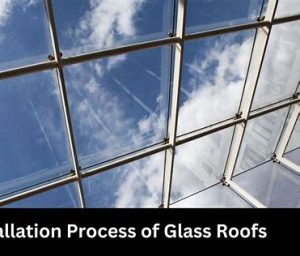
Implementation of all types of fixed and movable glass roofs , In the realm of modern architecture and urban design, the integration of glass roofs has become a symbol of innovation and functionality. These structures not only enhance aesthetic appeal but also provide practical solutions for natural light optimization, energy efficiency, and space utilization. From residential homes to commercial spaces and public structures, the implementation of fixed and movable glass roofs has opened up a world of possibilities.
Fixed Glass Roofs: A Seamless Integration
Fixed glass roofs are a staple in contemporary architecture, offering a permanent solution that combines elegance with durability. These roofs are typically designed using tempered or laminated glass, engineered to withstand varying weather conditions while allowing ample natural light to permeate indoor spaces. The key benefits of fixed glass roofs include:
- Natural Light Enhancement: They maximize the entry of natural light, reducing the need for artificial lighting during daylight hours and creating a bright, airy atmosphere indoors.
- Thermal Efficiency: Advanced glazing technologies ensure energy efficiency by minimizing heat loss in winter and reducing solar heat gain in summer, thereby optimizing indoor climate control.
- Architectural Integration: Fixed glass roofs seamlessly integrate with various architectural styles, providing a sleek and modern aesthetic appeal to both residential and commercial buildings.
Movable Glass Roofs: Flexibility and Functionality
In contrast, movable or retractable glass roofs offer unparalleled flexibility, allowing occupants to adapt spaces according to changing weather conditions or desired ambiance. These roofs are designed with motorized or manual mechanisms that enable partial or complete opening, transforming indoor environments into outdoor spaces at will. The advantages of movable glass roofs include:
- Outdoor Experience: They facilitate a unique indoor-outdoor living experience, fostering a connection with nature while maintaining comfort and convenience.
- Seasonal Adaptability: By opening or closing as needed, these roofs enable year-round use of outdoor areas, whether for dining, entertainment, or relaxation.
- Versatility in Design: Architects and designers can explore innovative layouts and configurations, enhancing spatial dynamics and functionality within a given structure.
Applications Across Diverse Settings
The implementation of fixed and movable glass roofs spans a wide range of applications, each tailored to meet specific functional and aesthetic objectives:
- Residential Spaces: In homes, glass roofs enhance living areas, kitchens, and even swimming pool enclosures, offering panoramic views and a sense of openness.
- Commercial Buildings: Offices, hotels, and shopping centers utilize glass roofs to create inviting atriums, skylights, or expansive event spaces, enhancing visitor experience and architectural appeal.
- Public Structures: Museums, airports, and educational institutions incorporate glass roofs to illuminate central halls, galleries, and communal areas, fostering a welcoming and inspiring environment.
Considerations for Implementation
While the benefits of fixed and movable glass roofs are evident, their successful implementation requires careful consideration of several factors:
- Structural Integrity: Adequate structural support is essential to withstand the weight of glass panels and environmental loads such as wind and snow.
- Safety and Regulations: Compliance with building codes and safety standards ensures occupant protection and longevity of the structure.
- Maintenance: Regular upkeep of glass surfaces and mechanical components maintains functionality and aesthetic appeal over time.
Future Trends and Innovations
Looking ahead, the future of fixed and movable glass roofs holds promise for further innovation and integration of advanced technologies:
- Smart Glass Solutions: Emerging technologies like electrochromic and thermochromic glass enable dynamic control over transparency, tint, and insulation properties, enhancing energy efficiency and occupant comfort.
- Integration with Renewable Energy: Incorporating photovoltaic cells within glass panels can transform roofs into sources of clean energy generation, contributing to sustainable building practices.
- Biophilic Design: Emphasizing connections with nature, future designs may incorporate living roofs or greenery-integrated glass structures, promoting biodiversity and improving urban environments.
Case Studies and Success Stories
Several notable examples showcase the transformative impact of fixed and movable glass roofs in architecture:
- The Louvre Pyramid, Paris: Renowned for its iconic glass pyramid entrance, this structure exemplifies how glass can harmonize with historic architecture while modernizing visitor experience.
- Fondation Louis Vuitton, Paris: Designed by Frank Gehry, this museum features intricate glass sails and canopies, demonstrating the artistic and functional versatility of glass in contemporary design.
- Eden Project, UK: A showcase of biome domes with transparent ETFE (ethylene tetrafluoroethylene) roofs, creating controlled ecosystems that educate and inspire visitors about environmental sustainability.
Challenges and Considerations
While the future of fixed and movable glass roofs holds promise, several challenges and considerations must be addressed to maximize their benefits:
- Cost: The initial investment in high-quality materials and advanced technologies for glass roofs can be substantial. However, long-term energy savings and enhanced property value often justify these costs.
- Maintenance: Regular cleaning and inspection of glass panels, as well as maintenance of mechanical components for movable roofs, are essential to ensure optimal performance and longevity.
- Climate Adaptability: Glass roofs must be designed to withstand extreme weather conditions, including heavy rain, snow loads, and high winds. Proper drainage systems and structural support are critical to prevent water leakage and structural damage.
- Privacy and Glare Control: In spaces where privacy is important or where direct sunlight could cause glare and discomfort, innovative shading solutions or textured glass options may be necessary.
Environmental and Energy Considerations
The implementation of glass roofs also presents opportunities for improving environmental sustainability:
- Energy Efficiency: Advanced glazing technologies reduce the need for artificial lighting and contribute to thermal insulation, thereby decreasing energy consumption and carbon footprint.
- Natural Ventilation: Movable glass roofs enhance natural ventilation, reducing reliance on mechanical HVAC systems and promoting indoor air quality.
- Daylighting Strategies: Properly designed glass roofs can optimize daylight distribution within buildings, minimizing reliance on artificial lighting and further reducing energy consumption.
Collaborative Design and Innovation
Architects, engineers, and manufacturers are collaborating to push the boundaries of glass roof design:
- Integration with Building Information Modeling (BIM): BIM technology facilitates precise planning and simulation of glass roof installations, optimizing efficiency and accuracy in construction.
- Material Advancements: Ongoing research into new glass compositions, coatings, and structural materials aims to improve durability, thermal performance, and aesthetic appeal of glass roofs.
- User-Centric Design: Incorporating feedback from occupants and stakeholders ensures that glass roof designs prioritize functionality, comfort, and user experience.
Regulatory and Safety Standards
Implementing fixed and movable glass roofs necessitates adherence to stringent regulatory and safety standards:
- Building Codes: Compliance with local building codes and regulations ensures structural integrity, safety, and longevity of glass roof installations.
- Wind and Snow Loads: Designs must account for regional weather conditions, incorporating appropriate structural support and glazing specifications to withstand wind and snow loads.
- Safety Measures: Ensuring safety during installation and maintenance is paramount. Proper training, equipment, and protocols are essential for minimizing risks associated with working at heights and handling glass materials.
Cultural and Aesthetic Integration
In diverse cultural contexts, the integration of glass roofs requires sensitivity to local architectural traditions and aesthetic preferences:
- Historical Preservation: When integrating glass roofs into historic buildings or sensitive cultural landscapes, designs should respect and complement existing architectural heritage.
- Aesthetic Harmony: Balancing transparency, reflection, and visual impact ensures that glass roofs enhance, rather than dominate, the overall architectural composition.
Economic and Social Impacts
The implementation of glass roofs can have wide-ranging economic and social impacts:
- Property Value: Properties with well-designed glass roofs often command higher resale values due to enhanced aesthetics, energy efficiency, and overall desirability.
- Community Engagement: Public spaces featuring glass roofs can become focal points for community gatherings, cultural events, and leisure activities, contributing to social cohesion and urban vitality.
The Role of Innovation and Research
Continued innovation and research are pivotal in advancing the capabilities and sustainability of glass roofs:
- Technological Advancements: Research into new materials, coatings, and manufacturing processes aims to improve performance metrics such as thermal efficiency, durability, and environmental impact.
- Interdisciplinary Collaboration: Collaboration among architects, engineers, scientists, and manufacturers fosters interdisciplinary approaches to solving complex challenges and driving innovation in glass roof design.
Conclusion: Shaping the Future of Architecture
In conclusion, the implementation of fixed and movable glass roofs represents a dynamic convergence of architectural aesthetics, technological innovation, and sustainable design principles. By addressing regulatory requirements, embracing cultural sensitivities, and leveraging technological advancements, architects and designers can create spaces that enhance quality of life, promote energy efficiency, and inspire awe. As the demand for sustainable building solutions grows, glass roofs stand poised to play an increasingly integral role in shaping the future of architecture, offering limitless possibilities for creativity, functionality, and environmental stewardship.
As the demand for sustainable building solutions grows, glass roofs stand poised to play an increasingly integral role in shaping the future of architecture, offering limitless possibilities for creativity, functionality, and environmental stewardship. Whether in residential homes, commercial buildings, or public structures, the versatility of fixed and movable glass roofs continues to redefine spatial experiences, connecting occupants with natural light and outdoor environments in unprecedented ways.
Looking forward, continued research and development will drive further innovations in glass roof technologies, enhancing their performance, durability, and aesthetic appeal. As architects and designers explore new frontiers in material science, energy efficiency, and user-centric design, glass roofs will undoubtedly remain at the forefront of sustainable building practices, embodying the harmonious integration of form, function, and environmental responsibility.
In essence, the implementation of glass roofs is not merely about constructing physical structures but about creating transformative environments that resonate with the aspirations and values of contemporary society. Through visionary design and thoughtful implementation, glass roofs will continue to inspire, enrich, and redefine the built landscape for generations to come, Implementation of all types of fixed and movable glass roofs.

Leave A Comment