
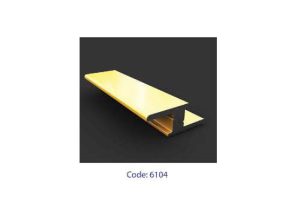
horizontal side locking Profile
Introduction
Horizontal side locking profiles have gained increasing popularity in various industries due to their versatility and functionality. These profiles are widely used in construction, architecture, automotive, and various other applications. In this article, we will delve into the concept of horizontal side locking profiles, their advantages, and their applications.
What Are Horizontal Side Locking Profiles?
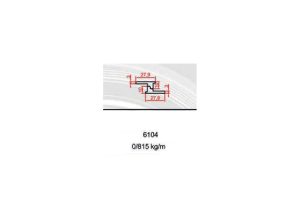
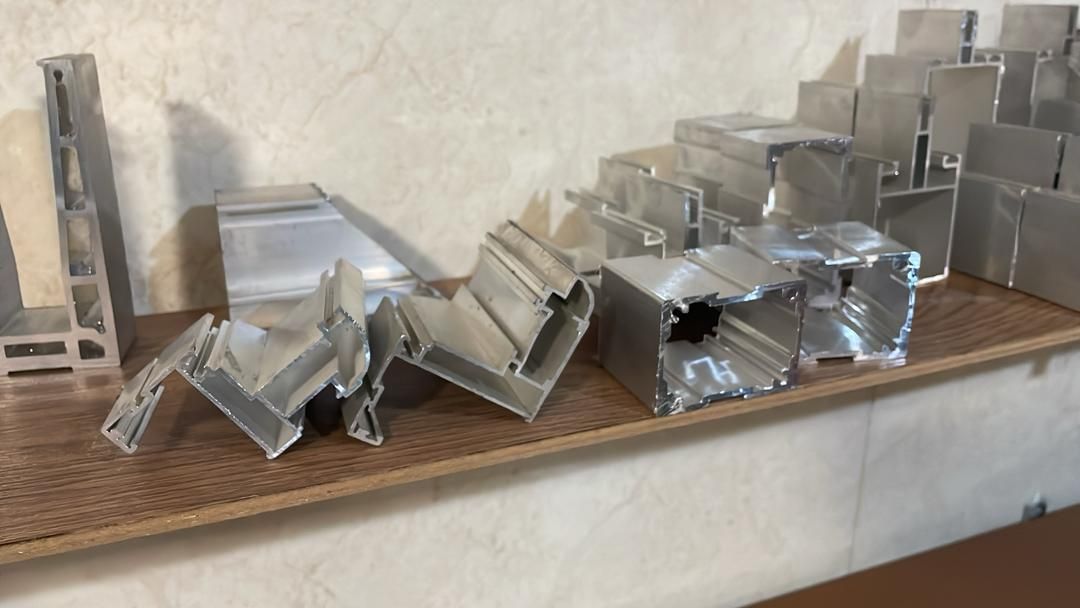
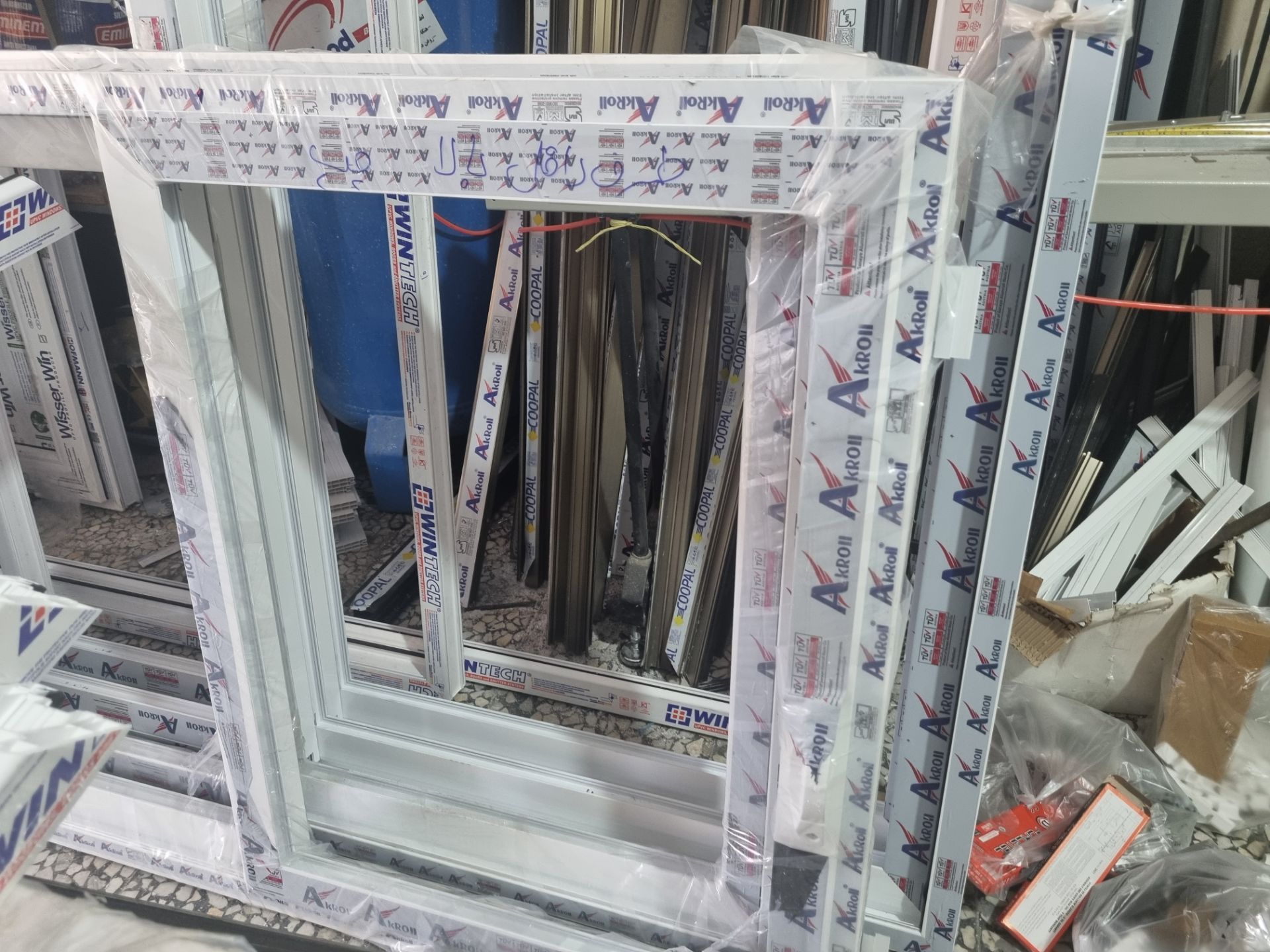
Horizontal side locking profiles are specially designed components used in various structures to provide secure and stable connections between different elements. These profiles are characterized by their unique design, which allows for horizontal interlocking and locking of two or more parts. The locking mechanism ensures a robust and durable connection, making them an essential part of many structural and mechanical systems.
Benefits of Horizontal Side Locking Profiles
- Enhanced Stability and Strength: One of the primary advantages of horizontal side locking profiles is the superior stability and strength they provide. The horizontal locking mechanism distributes forces evenly across the connected elements, reducing the risk of structural failure. This feature is particularly valuable in applications where safety and reliability are paramount.
- Versatility: Horizontal side locking profiles are incredibly versatile, allowing them to be used in a wide range of applications. Whether it’s in construction, furniture manufacturing, or automotive engineering, these profiles can be customized to meet specific requirements. They accommodate various materials, including metals, plastics, and composites, making them suitable for diverse projects.
- Easy Assembly: These profiles simplify the assembly process by eliminating the need for complex and time-consuming welding or fastening techniques. The horizontal side locking mechanism facilitates quick and efficient assembly, reducing labor costs and project timelines. As a result, they are an attractive option for manufacturers looking to streamline their production processes.
- Aesthetic Appeal: In architectural and design applications, horizontal side locking profiles offer a sleek and modern appearance. Their design allows for seamless integration, which not only enhances the aesthetics of a structure but also provides a clean and polished look.
- Durability: Horizontal side locking profiles are known for their long-lasting performance. They are resistant to corrosion, weathering, and wear, making them suitable for outdoor applications as well. This durability ensures that the connections remain strong over extended periods, reducing the need for maintenance and replacements.
Applications of Horizontal Side Locking Profiles
- Building and Construction: Horizontal side locking profiles are commonly used in the construction industry for various purposes, including the assembly of curtain walls, glass facades, and support structures. Their strength and stability make them an ideal choice for high-rise buildings and other architectural projects.
- Automotive Industry: In the automotive sector, these profiles find applications in chassis and body frame construction. They contribute to vehicle safety and structural integrity, ensuring that cars are more resistant to collisions and other stress factors.
- Furniture Manufacturing: The sleek and modern appearance of horizontal side locking profiles is well-suited for furniture design. They are often used in the production of contemporary furniture, ensuring stability and longevity while maintaining an elegant look.
- Aerospace and Marine: These profiles can be found in the aerospace and marine industries, where lightweight yet durable components are crucial. Their corrosion resistance and strength make them ideal for use in harsh environments.
Advancements
As technology evolves, horizontal side locking profiles are expected to undergo further advancements to meet the ever-increasing demands of various industries. Some potential future developments may include:
- Integration of Smart Technologies: The incorporation of sensors and smart technologies into horizontal side locking profiles could lead to enhanced monitoring and maintenance capabilities. These profiles could become self-diagnostic, providing real-time data on their structural integrity, potentially improving safety and reducing maintenance costs.
- Sustainable Materials: With a growing emphasis on sustainability, there is a trend toward using eco-friendly materials in construction and manufacturing. Future horizontal side locking profiles may be designed to incorporate recycled or renewable materials, reducing their environmental footprint.
- 3D Printing and Customization: The growing use of 3D printing technology allows for highly customizable horizontal side locking profiles, tailored to the exact specifications of a project. This innovation opens up new design possibilities and makes it easier to meet the unique requirements of different applications.
- Expansion into New Industries: As engineers and designers become more familiar with the benefits of horizontal side locking profiles, these versatile components may find applications in industries that have not traditionally used them, expanding their reach and influence.
Emerging Challenges
While horizontal side locking profiles offer numerous benefits, it’s essential to be aware of potential challenges that may arise in their use and adoption:
- Cost Considerations: High-quality horizontal side locking profiles can be more expensive than traditional joining methods, such as welding or fasteners. However, the long-term savings in maintenance and the potential for faster assembly can often justify the initial investment.
- Quality Control: Ensuring the correct manufacturing and installation of horizontal side locking profiles is crucial. Proper quality control measures are necessary to guarantee the reliability and safety of structures that rely on these profiles.
- Standardization: The adoption of horizontal side locking profiles across different industries and regions may require the establishment of standardized specifications and guidelines to ensure compatibility and safety. Developing and adhering to these standards will be essential.
- Training and Expertise: Using horizontal side locking profiles effectively may require training and expertise in their assembly and application. As these profiles become more prevalent, investing in the education and training of personnel will be crucial to maximize their benefits.
The Future of Horizontal Side Locking Profiles
As technology continues to advance and industries seek more efficient, durable, and sustainable solutions, horizontal side locking profiles are poised to play an increasingly significant role. Their adaptability to various materials, sleek design, and exceptional performance characteristics make them a valuable component in modern engineering and design.
The future of horizontal side locking profiles may involve further customization, integration with smart technologies, and a broader reach across different sectors. As industries and professionals continue to explore innovative applications, these profiles will remain at the forefront of construction, manufacturing, and design projects.
Exploring Case Studies
To gain a better understanding of the real-world impact of horizontal side locking profiles, let’s explore a few case studies where these profiles have been instrumental in achieving outstanding results:
- Sustainable Architecture: In a project aimed at creating a sustainable and energy-efficient building, horizontal side locking profiles were used to assemble the framework of a large solar-powered office complex. The profiles not only provided structural stability but also allowed for easy integration of solar panels on the exterior. This innovative approach reduced the energy consumption of the building and showcased how horizontal side locking profiles can contribute to green construction.
- Automotive Safety: An automobile manufacturer integrated horizontal side locking profiles into their vehicle chassis designs. This implementation led to a significant increase in the structural integrity of the vehicles. In crash tests, cars with these profiles showed enhanced safety measures, protecting occupants more effectively than those without them. This case demonstrates how horizontal side locking profiles can have a direct impact on improving safety in the automotive industry.
- Furniture Manufacturing: A furniture design company utilized horizontal side locking profiles in the creation of modular, customizable furniture systems. These profiles allowed for easy assembly and disassembly, giving customers the flexibility to adapt their furniture to changing needs. The sleek, modern appearance of these profiles also added to the overall aesthetics of the furniture, showcasing their importance in the world of design.
- Aerospace Advancements: In the aerospace sector, horizontal side locking profiles were employed in the construction of lightweight yet incredibly robust aircraft components. These profiles helped reduce the weight of the aircraft while maintaining structural integrity. This not only led to fuel savings but also improved the overall performance and efficiency of the aircraft.
Each of these case studies illustrates the diverse applications and benefits of horizontal side locking profiles in various industries. Whether it’s enhancing sustainability in architecture, improving safety in automotive manufacturing, offering flexibility in furniture design, or optimizing performance in aerospace, these profiles continue to shape the way we build, create, and innovate.
Unleashing Innovation
The versatility and adaptability of horizontal side locking profiles continue to inspire innovation. Engineers and designers are continually pushing the boundaries of what these profiles can achieve. Here are some exciting developments on the horizon:
- Integration of Artificial Intelligence (AI): AI can play a significant role in optimizing the design and application of horizontal side locking profiles. Machine learning algorithms can analyze data from previous projects, predict potential weaknesses, and recommend design modifications for improved performance and efficiency.
- Lightweight Materials: The use of advanced lightweight materials, such as carbon fiber composites, combined with horizontal side locking profiles, can lead to significant weight reduction in various applications. This innovation is particularly critical in industries like aerospace and automotive, where fuel efficiency is paramount.
- 3D-Printed Structures: The advent of 3D printing has the potential to revolutionize the production of horizontal side locking profiles and the structures they are used in. Complex, customized profiles can be printed with precision, opening up new design possibilities and reducing material waste.
- Sustainable Solutions: With a growing focus on sustainability, horizontal side locking profiles are likely to be developed with an emphasis on using recyclable materials and eco-friendly manufacturing processes. This aligns with the global shift towards more sustainable building and manufacturing practices.
- Expanded Applications: As industries continue to explore the benefits of horizontal side locking profiles, new and unexpected applications may emerge. From medical devices to renewable energy installations, the adaptability of these profiles offers endless possibilities for innovation.
Collaboration
The success of horizontal side locking profiles relies on the close collaboration between engineers, designers, manufacturers, and end-users. These stakeholders need to work together to ensure that the profiles are effectively implemented, adhere to safety standards, and are optimized for specific applications.
Furthermore, collaboration between industries can lead to cross-pollination of ideas and expertise. Solutions developed for one sector can often be adapted for use in others, further advancing the versatility and practicality of horizontal side locking profiles.
In Conclusion
Horizontal side locking profiles have undoubtedly established themselves as a game-changer in the world of engineering and design. Their exceptional stability, versatility, and aesthetic appeal have made them a top choice in an array of industries, from construction and automotive to aerospace and furniture manufacturing.
As these profiles continue to evolve, addressing challenges like cost, standardization, and training, they are poised to play an even more significant role in the future. The ongoing integration of smart technologies, the use of sustainable materials, and the customization possibilities they offer will further solidify their position as a critical component in modern engineering and design projects.
Horizontal side locking profiles have a bright future ahead, and as industries adapt and innovate, these profiles will remain a driving force in the development of safer, more efficient, and visually appealing structures and products. Their enduring impact on the world of engineering and design makes them a key player in shaping the future of various industries.

Leave A Comment