
Horizontal louvers design factory
Horizontal louvers have become increasingly popular in the design of factories and other industrial buildings. These louvers, which consist of horizontal slats or blades arranged at an angle, provide a variety of benefits that make them an ideal choice for many types of structures. In this article, we’ll explore the design and benefits of horizontal louvers in factory settings.

Design of Horizontal Louvers for Factories
Horizontal louvers are typically designed to be placed at the top of a building, where they can provide shading and ventilation without compromising the building’s structural integrity. They are usually made of lightweight, durable materials such as aluminum or steel, and are designed to be easily adjustable in order to allow for precise control over the amount of light and air that enters the building.
The design of horizontal louvers for factories can vary depending on a variety of factors, including the size of the building, the local climate, and the specific needs of the business. Some common features of horizontal louvers in factory settings include:
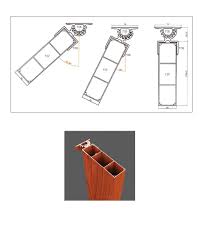
Angle of the slats: The angle of the louvers’ slats can be adjusted to allow for greater or lesser amounts of light and air to enter the building. In hot climates, for example, the slats may be angled to block more sunlight and provide greater shade, while in cooler climates they may be angled to allow more sunlight in.
Size and spacing of the slats: The size and spacing of the slats can also be adjusted to provide greater or lesser amounts of ventilation. Larger, more widely spaced slats will allow more air to flow through the building, while smaller, more closely spaced slats will provide greater shade and reduce the amount of direct sunlight that enters.
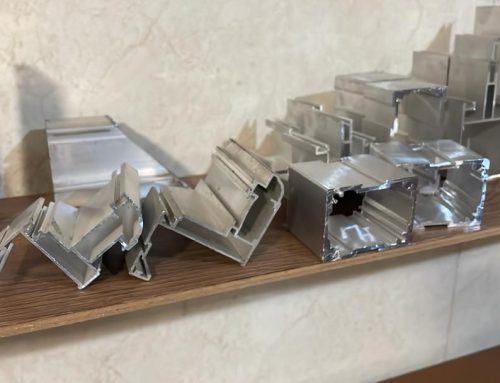
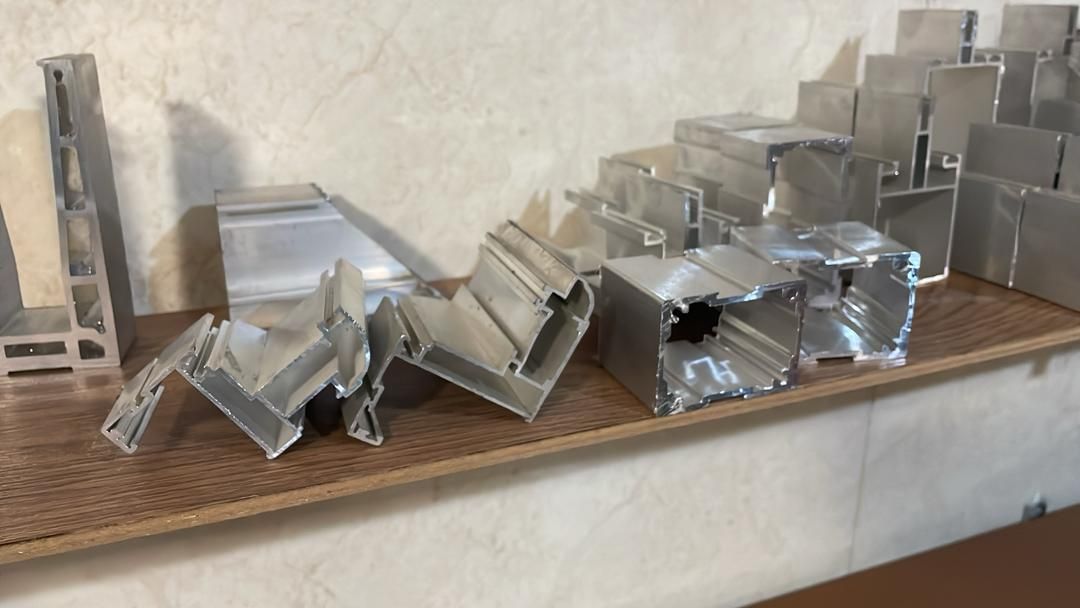
Material and finish: Horizontal louvers can be made from a variety of materials, including aluminum, steel, and other metals, as well as wood and other natural materials. The finish of the louvers can also be customized to match the overall aesthetic of the building.
Benefits of Horizontal Louvers in Factory Settings
There are many benefits to using horizontal louvers in the design of factories and other industrial buildings. Here are a few of the key advantages:
Improved energy efficiency: Horizontal louvers can help to improve the energy efficiency of a factory by reducing the amount of direct sunlight that enters the building. This can help to keep the interior of the building cooler and reduce the need for air conditioning, which can in turn lower energy costs.
Increased natural light: While horizontal louvers are designed to reduce the amount of direct sunlight that enters the building, they can also help to increase the amount of natural light that enters. This can help to create a more pleasant working environment for employees and reduce the need for artificial lighting.
Greater control over ventilation: Horizontal louvers can be adjusted to provide greater or lesser amounts of ventilation depending on the needs of the business. This can help to improve indoor air quality and create a more comfortable working environment for employees.
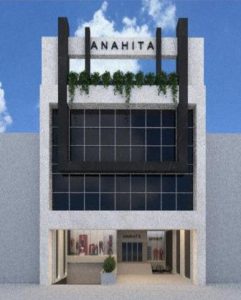
Improved aesthetics: Horizontal louvers can be designed to match the overall aesthetic of the building, and can be used to create a modern, sleek look that is both functional and visually appealing.
Reduced maintenance: Horizontal louvers are designed to be durable and long-lasting, and require little maintenance beyond occasional cleaning. This can help to reduce maintenance costs and improve the overall efficiency of the building.
Conclusion
Horizontal louvers are an excellent choice for factories and other industrial buildings, providing a variety of benefits that can help to improve energy efficiency, increase natural light, provide greater control over ventilation, and create a more attractive and functional design. If you are designing a factory or other industrial building, consider incorporating horizontal louvers into your plans to take advantage of these benefits and create a building that is both functional and visually appealing.
In addition to the benefits discussed above, horizontal louvers can also provide improved privacy and security for factory settings. By limiting the amount of direct sunlight that enters the building, horizontal louvers can help to prevent outsiders from seeing inside the building and observing any sensitive or confidential activities. Additionally, horizontal louvers can be designed with security features such as locks and other mechanisms to help prevent unauthorized access to the building.
Horizontal louvers can also be an effective way to reduce the impact of noise pollution in factory settings. By limiting the amount of direct sunlight that enters the building, horizontal louvers can help to reduce the amount of noise that enters as well. This can be especially important for factories located in busy urban areas or near major transportation hubs, where noise pollution can be a significant problem.
One potential drawback of horizontal louvers is that they may be less effective in very extreme weather conditions, such as heavy rain or strong winds. In these situations, it may be necessary to close the louvers completely or supplement them with additional weatherproofing measures.
Overall, however, horizontal louvers are an excellent choice for factories and other industrial buildings due to their many benefits and versatility. Whether you are designing a new factory or retrofitting an existing one, incorporating horizontal louvers into your plans can help to improve energy efficiency, create a more comfortable working environment, and enhance the overall functionality and aesthetics of the building.
In conclusion, the use of horizontal louvers in factory design is a highly effective way to create a more sustainable, efficient, and visually appealing workspace. The ability to customize the angle, size, and material of the louvers means that they can be tailored to suit the specific needs and requirements of any business, while the many benefits discussed above make them an excellent choice for industrial buildings of all types. By incorporating horizontal louvers into your factory design, you can improve your energy efficiency, enhance your working environment, and create a building that is both functional and attractive.

Leave A Comment