
Glass profile facade design

Introduction
In contemporary architecture, the use of glass has become increasingly prevalent, transforming the way buildings are designed and experienced. Among the diverse applications of glass, the glass profile facade design stands out as a striking and innovative solution. This design approach combines the versatility of glass with the elegance and functionality of profile systems, resulting in visually stunning facades that offer numerous benefits. In this article, we will explore the aesthetics and advantages of glass profile facade design.
Unleashing Creativity with Glass Profiles
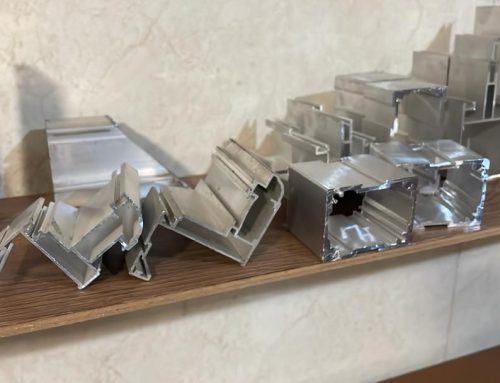
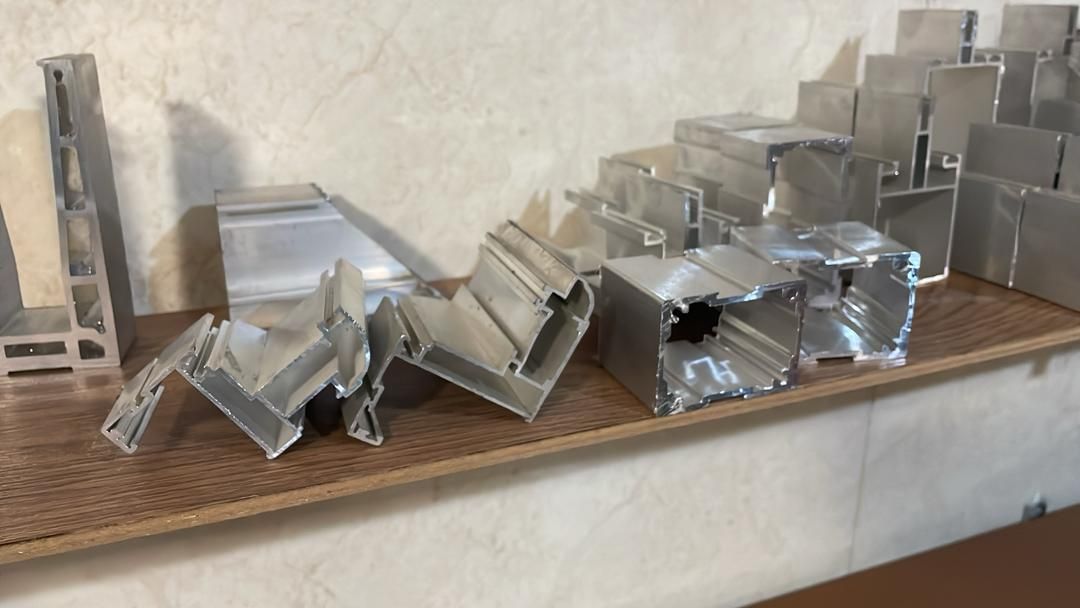
Glass profile facade design allows architects and designers to push the boundaries of creativity, resulting in captivating and distinctive buildings. With advancements in glass manufacturing techniques, it is now possible to create a wide range of profiles, shapes, and sizes. These profiles can be customized to suit the unique requirements of each project, enabling the creation of eye-catching facades that enhance the overall architectural expression.
Aesthetic Appeal and Visual Impact
The primary allure of glass profile facades lies in their aesthetic appeal and visual impact. The combination of glass and profile systems allows for the creation of facades with sleek lines, seamless transitions, and captivating geometric patterns. The transparency and reflective properties of glass further contribute to the facades’ allure by providing a play of light, creating a dynamic interplay between the building and its surroundings. This design approach can elevate the appearance of any structure, whether it is a corporate office, a residential building, or a cultural institution.
Natural Light and Energy Efficiency
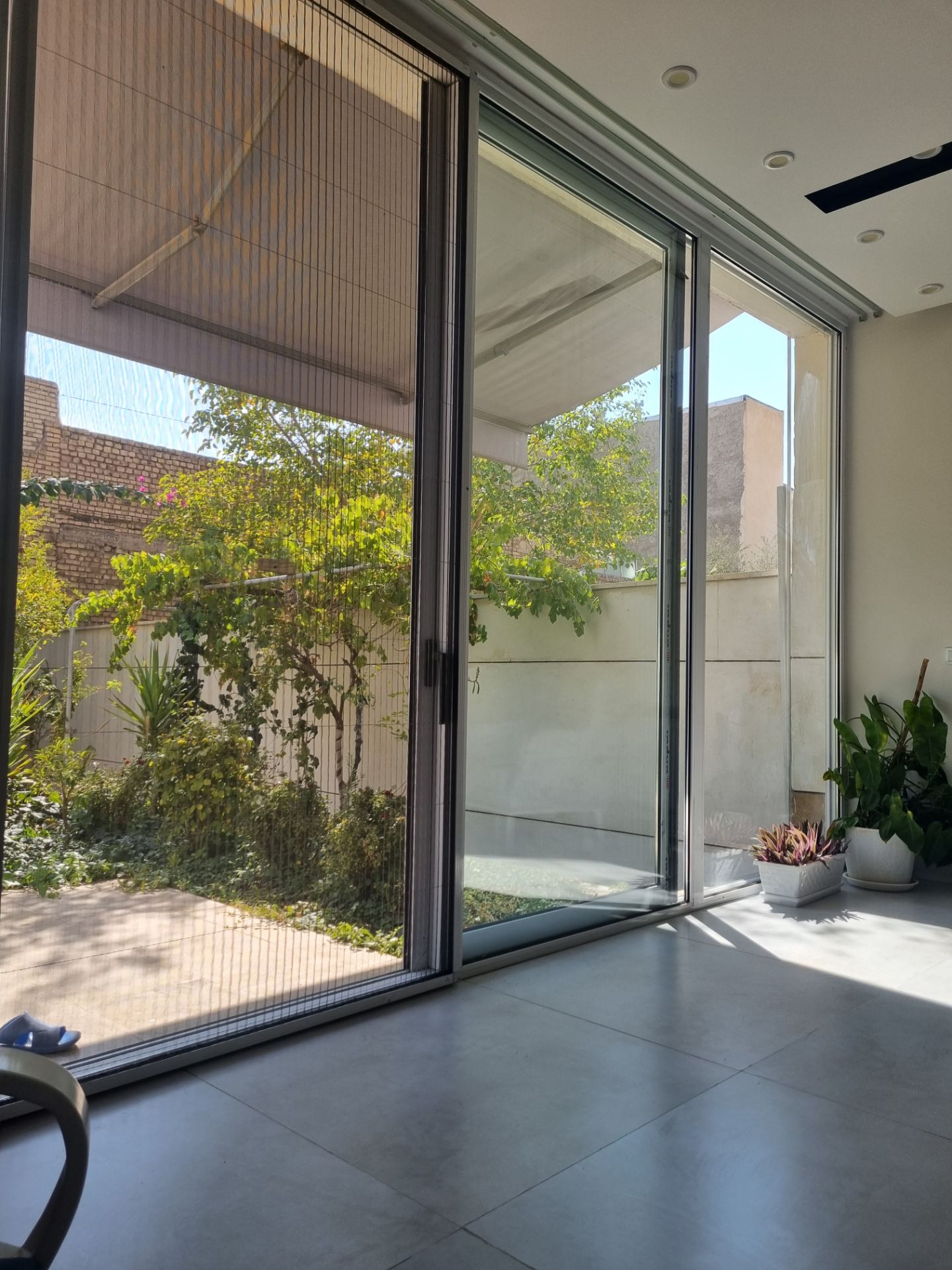
One of the significant advantages of glass profile facades is their ability to harness natural light. The transparency of glass allows ample daylight to enter the building, reducing the need for artificial lighting during the day. Natural light not only enhances the occupants’ well-being but also contributes to energy efficiency. By minimizing the reliance on artificial lighting, buildings with glass profile facades can significantly reduce energy consumption, leading to long-term cost savings and environmental sustainability.
Thermal and Acoustic Performance
Contrary to common misconceptions, glass profile facades can offer excellent thermal and acoustic performance. Modern glass manufacturing techniques, such as double or triple glazing and low-emissivity coatings, help improve insulation and reduce heat transfer. This ensures that the interior spaces remain comfortable, even in extreme weather conditions, while reducing reliance on heating and cooling systems. Additionally, when combined with appropriate sound insulation measures, glass profile facades can effectively minimize noise pollution from external sources, creating serene and tranquil environments within.
Durability and Maintenance
Glass profile facades are designed to be durable and low-maintenance. High-quality glass materials, combined with robust profile systems, ensure long-term structural integrity and resistance to environmental factors. The use of advanced coatings and self-cleaning technologies minimizes the need for frequent cleaning and upkeep, making glass profile facades a practical choice for buildings of various scales.
Sustainable Design and Environmental Benefits

Glass profile facades contribute to sustainable design practices and offer numerous environmental benefits. By maximizing the use of natural light, these facades reduce the demand for artificial lighting, resulting in reduced energy consumption and lower carbon emissions. Additionally, the thermal insulation properties of glass, combined with advanced glazing techniques, contribute to improved energy efficiency by minimizing heat gain or loss.
Furthermore, glass is a highly recyclable material, and many manufacturers now produce eco-friendly glass options with high levels of recycled content. This promotes a circular economy and reduces the carbon footprint associated with glass production. Incorporating sustainable materials and practices into glass profile facade design aligns with the growing emphasis on environmentally conscious architecture and contributes to a greener future.
Flexibility and Adaptability

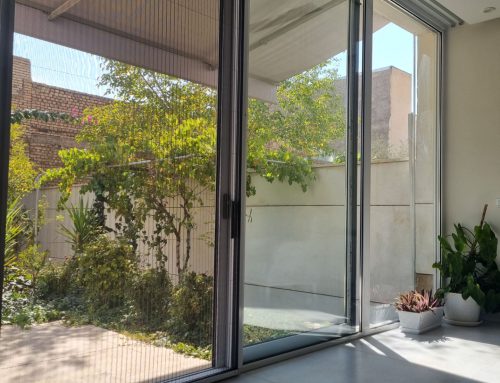
Glass profile facade design offers unparalleled flexibility and adaptability in architectural projects. The ability to customize glass profiles allows architects to create unique designs that match the building’s style, purpose, and surroundings. The transparency of glass provides an opportunity to connect the interior spaces with the external environment, blurring the boundaries between indoors and outdoors.
Additionally, glass profile facades can be combined with other building systems, such as ventilation, shading, and solar panels, to enhance functionality and energy performance. This versatility allows for innovative solutions in terms of aesthetics, sustainability, and occupant comfort.
Iconic Examples of Glass Profile Facades
Several iconic buildings around the world showcase the breathtaking possibilities of glass profile facades. One notable example is the Apple Park headquarters in Cupertino, California. Designed by Foster + Partners, the building features a massive curved glass profile facade, seamlessly integrating the structure with the surrounding landscape. The transparency and reflective properties of the glass create a stunning visual effect, while maximizing natural light and providing a sense of openness.
Another striking example is the Shanghai Tower in China, designed by Gensler. This skyscraper’s distinctive spiral form is accentuated by the use of a curtain wall system with a glass profile facade. The design not only creates a visually captivating exterior but also allows for panoramic views of the city from within the building. The incorporation of advanced glazing techniques ensures energy efficiency and occupant comfort.
Conclusion
Glass profile facade design represents a fusion of artistic expression, functionality, and sustainability in modern architecture. Its ability to create visually stunning buildings, harness natural light, improve energy efficiency, and provide occupant comfort makes it a favored choice among architects and designers worldwide.
As the world continues to prioritize sustainable and visually appealing structures, glass profile facades will continue to evolve and redefine the urban landscape. With ongoing advancements in glass manufacturing techniques and design innovations, the possibilities for creating iconic and environmentally conscious buildings are boundless.
In conclusion, glass profile facades are more than just architectural elements; they are a testament to the power of design to shape our built environment while embracing sustainability and enhancing the human experience.

Leave A Comment