
Glass fence system
Introduction
In the realm of modern architecture and landscaping, the glass fence system has emerged as a symbol of sophistication, seamlessly blending aesthetic appeal with functionality. Gone are the days when fences were solely utilitarian structures; today, they are an integral part of design, providing both safety and visual elegance. The glass fence system stands out as a prime example, offering a contemporary and stylish solution for residential and commercial spaces alike.
Transparency and Versatility
One of the key features that make glass fence systems distinctive is their transparency. Unlike traditional fences that can obstruct views and create a sense of confinement, glass fences provide an unobstructed view of the surroundings. This transparency is particularly beneficial in spaces where scenic views are integral to the overall design, such as homes with sprawling landscapes or commercial properties with panoramic cityscapes.
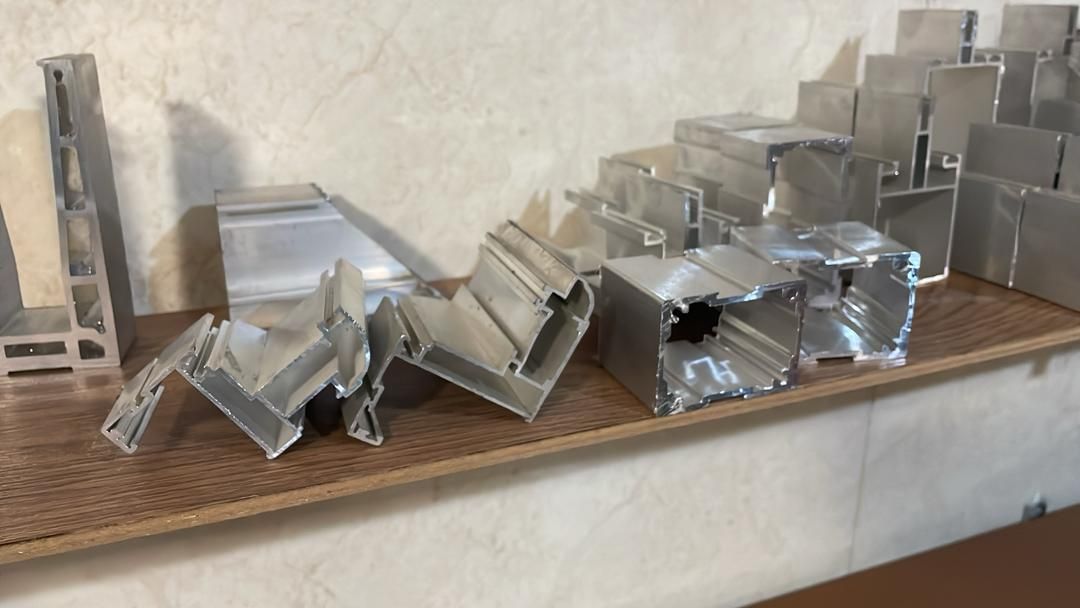
Moreover, the versatility of glass fencing allows it to complement various architectural styles. Whether used in urban high-rises, coastal homes, or suburban gardens, the sleek and modern look of glass seamlessly integrates with diverse design aesthetics. It can be framed in various materials such as stainless steel or aluminum, further enhancing its adaptability to different settings.
Safety without Sacrificing Style
While the aesthetic appeal of glass fences is undeniable, they are not merely decorative. Safety is a paramount concern, and glass fence systems are designed to meet stringent safety standards. The tempered glass commonly used in these systems is highly durable and shatter-resistant, ensuring that it can withstand the elements and accidental impacts.
Glass fences also serve as effective barriers without creating a visual barrier. This is especially important in pool areas, where traditional fences can obstruct the view of the pool and its surroundings. The use of glass ensures that safety is maintained without compromising the overall design integrity.
Low Maintenance and Longevity
Glass fence systems require minimal maintenance compared to their wooden or metal counterparts. The smooth surface of glass is easy to clean, and it doesn’t succumb to issues like rust, rot, or corrosion. This low-maintenance characteristic makes glass fences a practical and durable solution for both residential and commercial properties.
Furthermore, glass is resistant to environmental factors such as sunlight, rain, and wind, ensuring its longevity over time. This resilience to the elements contributes to the cost-effectiveness of glass fence systems, as they have a longer lifespan than many other types of fences.
Environmental Considerations
In an era where sustainability is a growing concern, the use of glass fence systems aligns with eco-friendly practices. Glass is a recyclable material, and its production involves fewer environmental impacts compared to the extraction and processing of certain metals or the harvesting of timber.
Additionally, the transparency of glass allows for the conservation of natural light, reducing the need for artificial lighting during the day. This not only contributes to energy efficiency but also enhances the overall ambiance of the space.
Whether employed in residential properties to encase luxurious pools or utilized in commercial settings to outline rooftop terraces, glass fences contribute to an atmosphere of openness and modernity. As architects and homeowners alike seek innovative ways to create visually striking yet functional spaces, the glass fence system has become an essential tool in their design arsenal.
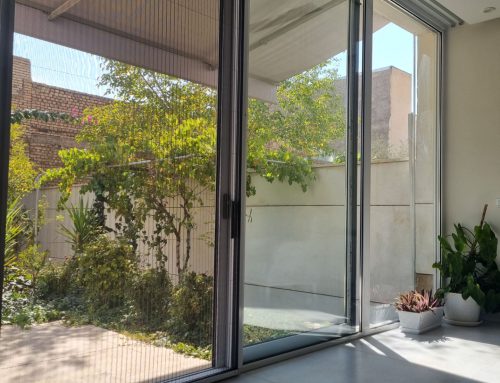
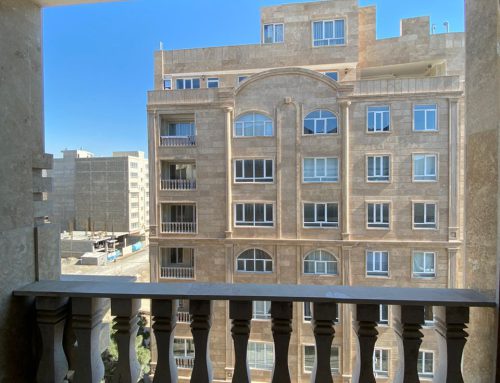
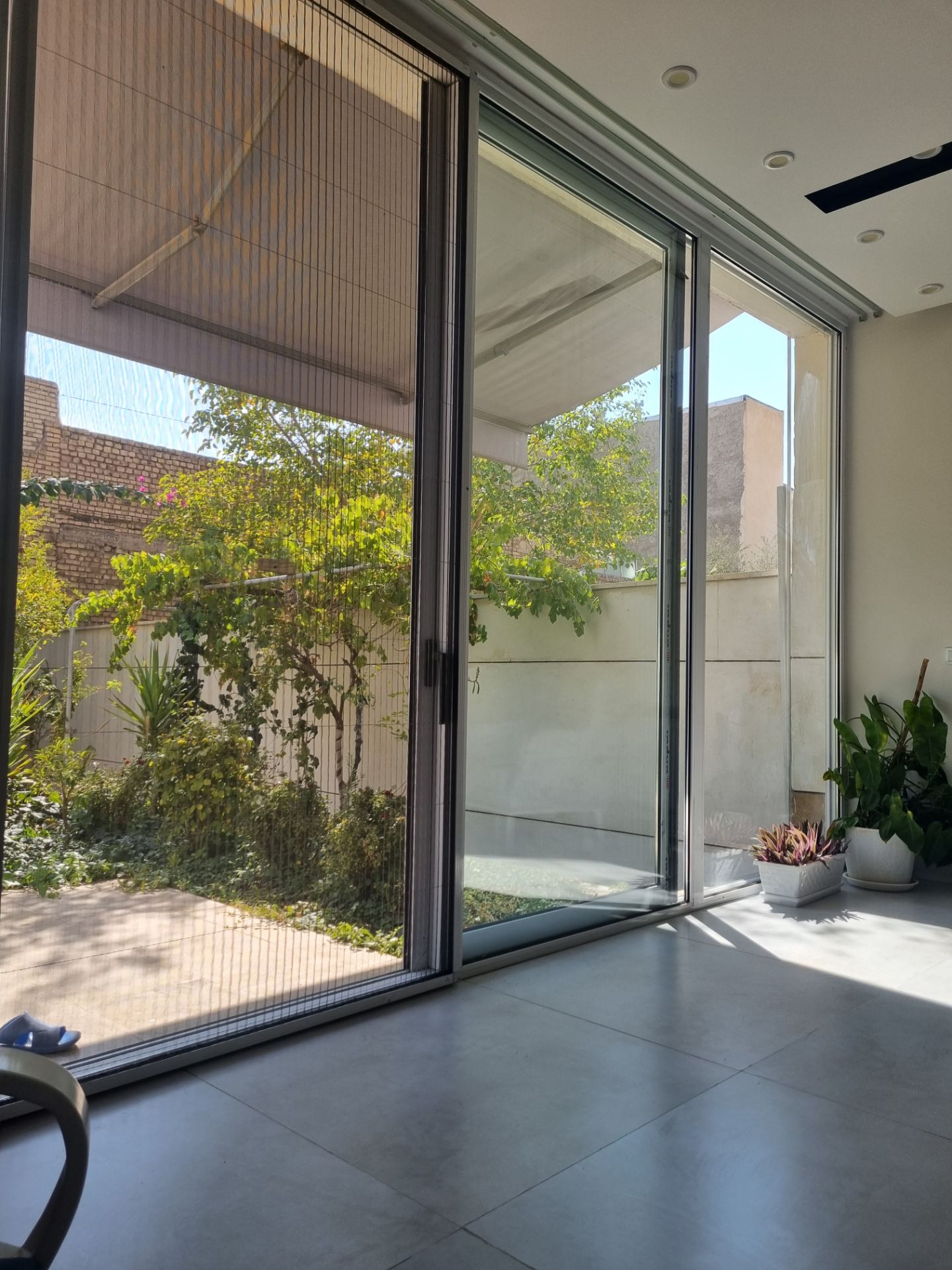
In residential applications, glass fences offer a seamless integration with outdoor environments, allowing homeowners to enjoy unobstructed views of their gardens, landscapes, or waterfronts. This creates a feeling of continuity between indoor and outdoor spaces, fostering a connection with nature while maintaining a safe and enclosed area. In urban environments, glass fences provide an unencumbered view of city skylines, emphasizing the architectural harmony between the natural and built environments.
For commercial properties, the use of glass fence systems extends beyond mere safety measures. They become design elements that enhance the overall aesthetic of spaces such as rooftop lounges, outdoor dining areas, and office terraces. The transparency of glass allows for an uninterrupted panorama, fostering a sense of openness that can positively impact the well-being and productivity of employees or the experience of customers in hospitality settings.
The popularity of glass fence systems is further bolstered by advancements in technology. Frameless glass designs, for example, eliminate visible supports, creating a seamless and almost ethereal appearance. This innovation not only reinforces the modern aesthetic but also amplifies the feeling of spaciousness within the enclosed area.
As with any architectural element, the successful integration of glass fence systems requires thoughtful consideration of the surrounding environment, intended purpose, and overall design concept. Professional architects and designers leverage the versatility of glass to adapt these systems to various contexts, ensuring that they enhance the visual appeal while meeting safety standards.
Beyond its aesthetic and functional attributes, the glass fence system is a testament to the commitment to sustainability and responsible design practices. As the global community increasingly prioritizes eco-conscious living, the use of recyclable materials in construction and landscaping becomes pivotal. The recyclability of glass aligns with this ethos, making it an environmentally responsible choice for those seeking to reduce their ecological footprint.
Moreover, the ability to harness natural light through glass fences contributes to energy efficiency. By allowing sunlight to penetrate the enclosed spaces, property owners can minimize reliance on artificial lighting during daylight hours. This not only reduces energy consumption but also creates a bright and welcoming atmosphere, further enhancing the appeal of the space.
In the realm of innovation, researchers and designers continue to explore ways to enhance the capabilities of glass fence systems. Integrated technologies, such as smart glass, which can switch between transparent and opaque states with the touch of a button, add an extra layer of functionality. This adaptability allows users to control privacy levels and adjust the ambiance of a space according to their preferences, expanding the possibilities for incorporating glass fences in various settings.
While the initial cost of installing a glass fence system may be higher than that of traditional fencing materials, the long-term benefits often outweigh the upfront investment. The durability and low maintenance requirements contribute to a cost-effective solution over the life of the structure. Additionally, the potential increase in property value due to the aesthetic and safety enhancements offered by glass fences is a factor that many homeowners and property developers consider.
In conclusion, the glass fence system is not just a utilitarian structure; it is a statement of design philosophy and a commitment to a harmonious blend of form and function. Its enduring popularity is a testament to the timeless appeal of transparency, safety, and sustainability in architecture. As technology continues to advance and design preferences evolve, the glass fence system is poised to remain a symbol of contemporary elegance, enriching the visual landscape of both residential and commercial spaces for years to come.

Leave A Comment