
Glass facade design details
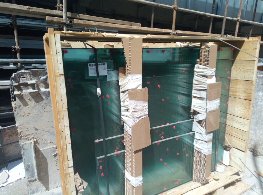
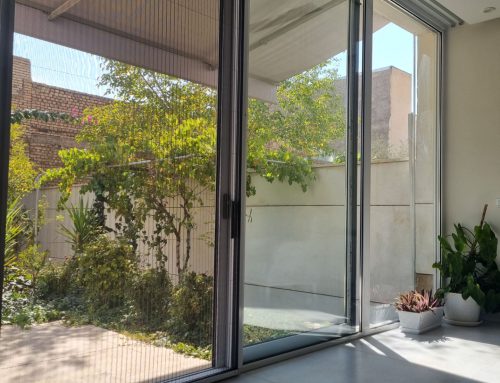
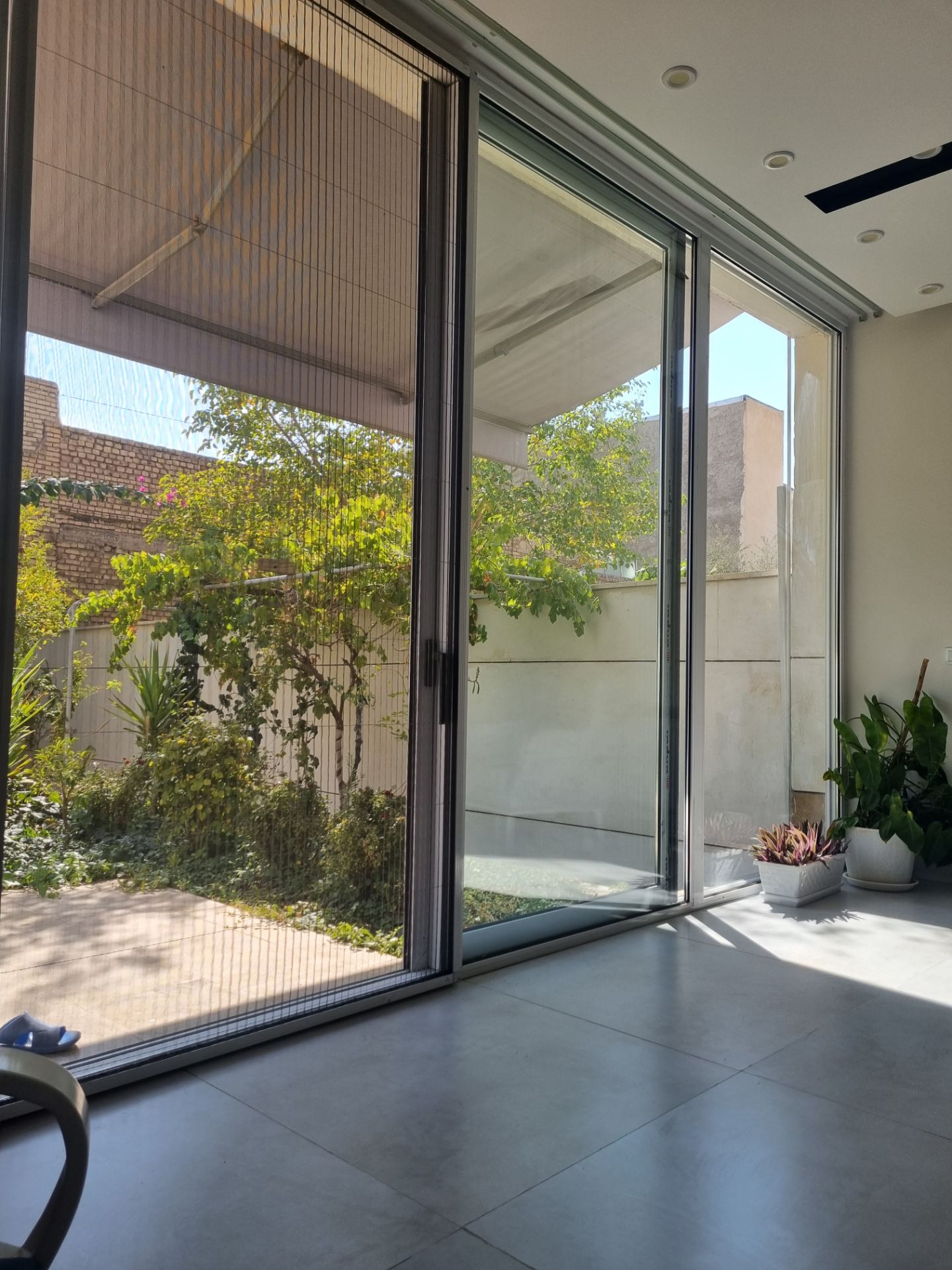
Glass facades are a popular choice in modern architectural design, offering a sleek and contemporary look while also allowing for an abundance of natural light. However, achieving a successful glass facade design requires careful consideration of several key details. In this article, we will explore some of the critical design details to keep in mind when working with glass facades.
Glazing Selection
The type of glass used in a facade is a crucial factor in achieving the desired performance and appearance. There are several types of glass available, each with its unique properties, such as tinted, laminated, or tempered glass. Tinted glass can help reduce glare and solar heat gain, while laminated glass provides additional safety and security by holding the glass together in case of breakage. Tempered glass is also a popular choice for facades because of its strength and resistance to thermal stress.
Another factor to consider is the glass thickness. The thickness of the glass will depend on the height of the building and the wind loads it will experience. A thicker glass will be required for taller buildings and areas with high wind loads.
Curtain Wall Systems
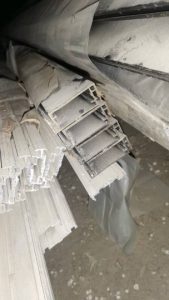
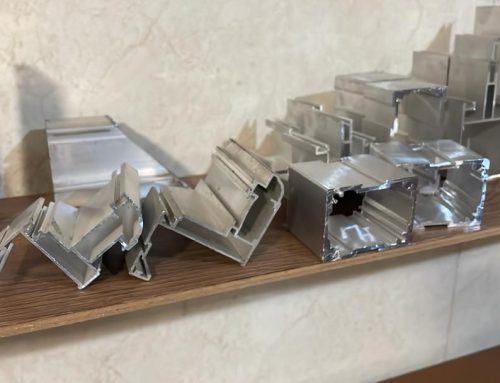
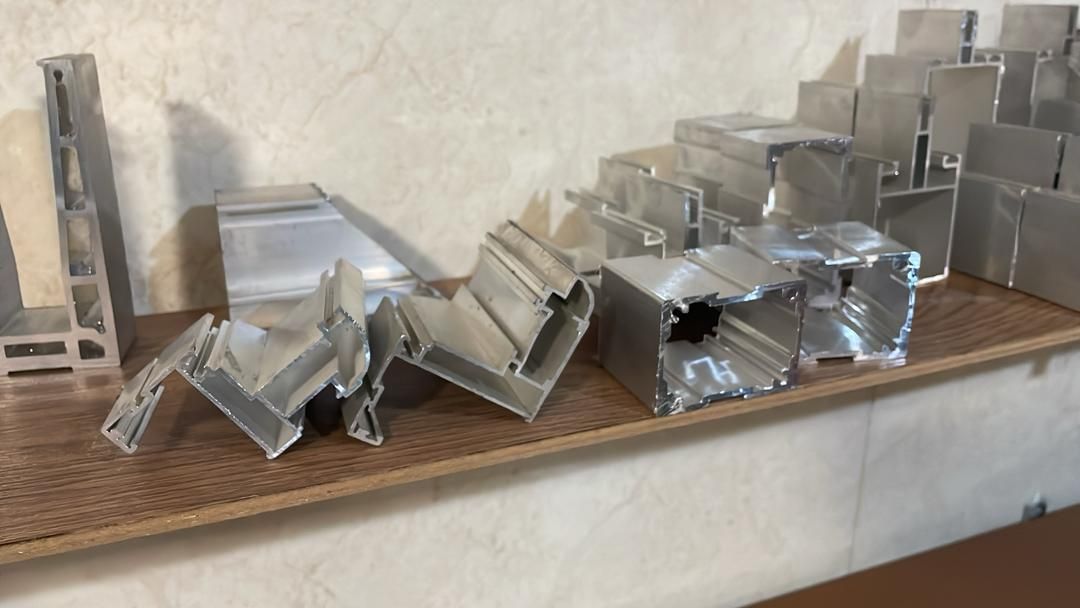
A curtain wall system is a non-structural cladding system that is attached to the building structure. It typically consists of glass panels held in place by a metal frame or a series of metal supports. The use of a curtain wall system allows for flexibility in the design, as it can be tailored to meet the specific needs of the building.
When selecting a curtain wall system, it is essential to consider factors such as thermal performance, water infiltration resistance, and structural stability. The system should also be easy to install and maintain, and should provide adequate support for the weight of the glass panels.
Structural Support
The structural support for a glass facade is critical to ensure the safety and stability of the building. The support system must be designed to withstand the weight of the glass panels, as well as any wind and seismic loads that the building may experience.
Structural support can be provided by a variety of means, including steel frames, concrete columns, and masonry walls. In some cases, a combination of these elements may be used to provide the necessary support.
Thermal Performance
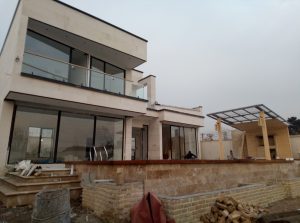
Glass facades can contribute significantly to a building’s energy performance. However, the high levels of heat gain and loss associated with glass make it essential to consider thermal performance when designing a glass facade.
There are several ways to improve the thermal performance of a glass facade. One option is to use low-emissivity coatings on the glass, which can help reduce heat gain while still allowing natural light to enter the building. Another option is to use double or triple glazing, which can provide additional insulation and reduce heat loss.
Water Management
Water management is an essential consideration when designing a glass facade. The facade must be designed to prevent water infiltration, which can lead to damage to the building’s structure and interior spaces.
The use of a proper drainage system is critical to the effective management of water. This can include the use of weep holes and drainage channels to direct water away from the building’s structure.
Maintenance and Cleaning
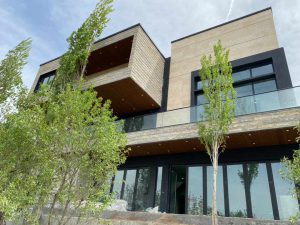
Maintenance and cleaning are important considerations when designing a glass facade. The facade should be easy to clean and maintain to ensure that it retains its appearance over time.
One approach to this is to use self-cleaning glass, which has a special coating that helps to break down dirt and grime. Additionally, the design should take into account the accessibility of the facade for cleaning and maintenance purposes.
Aesthetics
The aesthetic design of a glass facade is a critical factor in achieving the desired look and feel of the building. The design should be in keeping with the overall architectural style of the building and its surrounding environment.
The use of color, texture, and pattern can also be employed to create a unique and visually striking facade. The use of fritted glass or decorative films can add an element of privacy while still allowing natural light to enter the building.
The orientation of the building is another consideration when designing a glass facade. The orientation can impact the amount of natural light that enters the building and can affect the building’s energy performance. A south-facing facade, for example, will receive more sunlight than a north-facing facade.
Finally, the use of lighting can further enhance the visual appeal of a glass facade. The facade can be illuminated at night to create a striking visual effect and showcase the building’s unique design.
Conclusion
In conclusion, glass facades offer a modern and elegant solution for building design, but their success is heavily reliant on the consideration of various design details. By selecting the appropriate glazing, curtain wall system, and structural support, and by carefully managing thermal performance, water management, maintenance and cleaning, and aesthetics, architects can create stunning and functional glass facades that enhance the overall design of the building while also providing energy efficiency, safety, and sustainability.

Leave A Comment