
Glass facade architecture modern
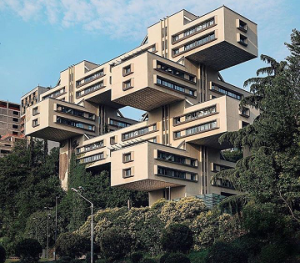
Glass facade architecture is a modern design concept that has gained popularity in recent years. It involves the use of glass as a primary material for building exteriors, allowing natural light to flood interior spaces. Glass facades offer a unique blend of aesthetics and functionality, making them a popular choice for commercial, residential, and institutional buildings. In this article, we will discuss the origins, benefits, and challenges of glass facade architecture and how it has evolved into a modern design trend.
Origins of Glass Facade Architecture
The use of glass in building facades dates back to ancient Rome, where it was used to create windowpanes. However, it was not until the 19th century that advances in glass manufacturing and building technology made it possible to use glass as a primary material for building facades. The Crystal Palace, built for the Great Exhibition of 1851 in London, is widely considered the first building to use glass as a primary material for its facade. The building’s innovative design, which consisted of a prefabricated iron frame covered in sheets of glass, paved the way for modern glass facade architecture.
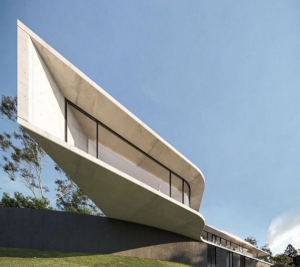
Benefits of Glass Facade Architecture
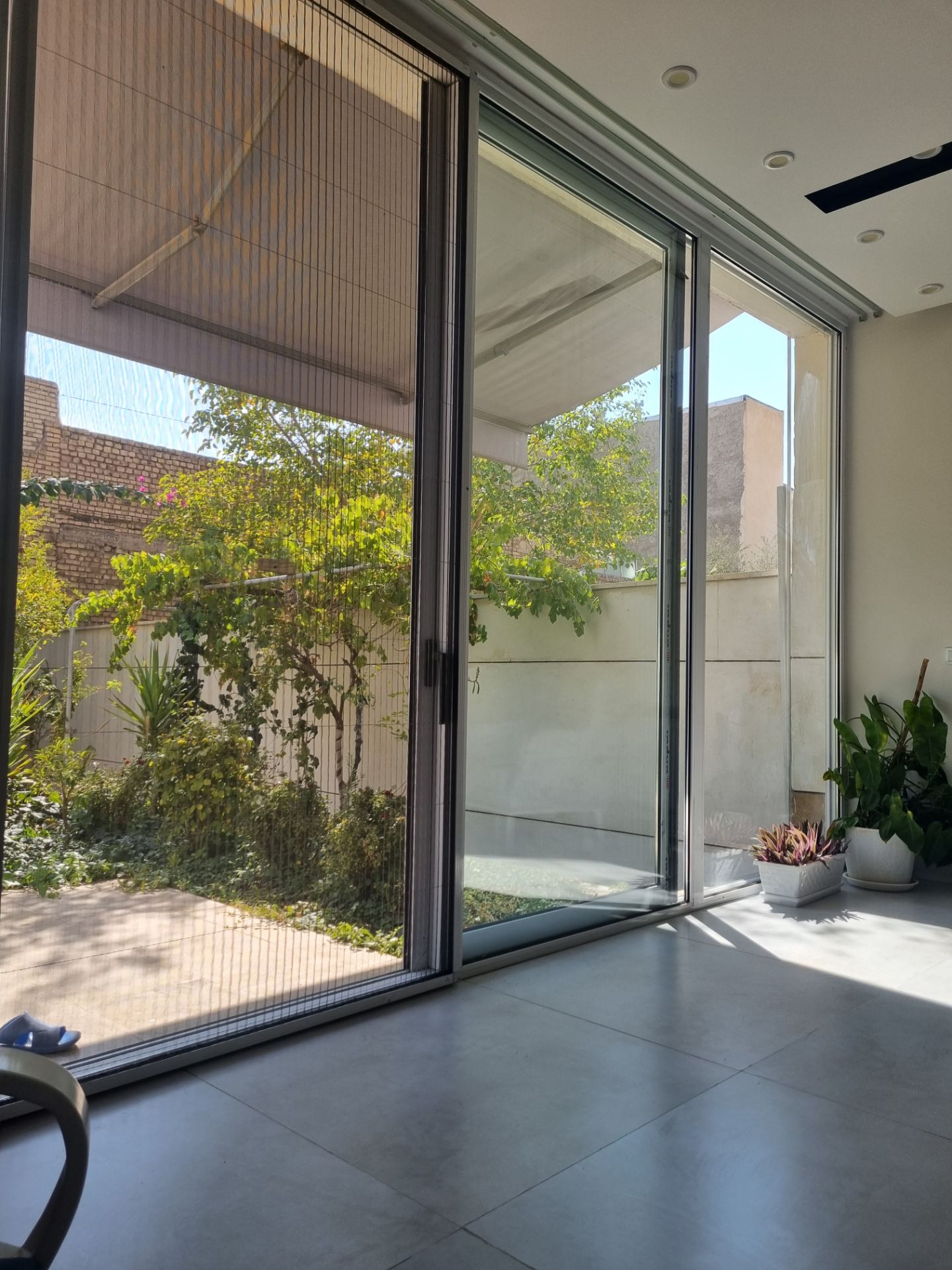
The use of glass in building facades offers a range of benefits. Firstly, it allows natural light to flood interior spaces, creating a bright and airy environment. This not only improves the quality of life for occupants but also reduces the need for artificial lighting, thereby saving energy costs. Secondly, glass facades offer a clear view of the exterior, connecting occupants to their surroundings and creating a sense of openness. This can be particularly beneficial in urban environments where space is at a premium. Thirdly, glass is a highly durable and low-maintenance material, making it a cost-effective choice for building exteriors. Finally, glass facades offer a unique aesthetic that can be used to create striking and memorable buildings.
Challenges of Glass Facade Architecture
While glass facade architecture offers a range of benefits, it also presents a number of challenges. Firstly, glass is a poor insulator, meaning that buildings with glass facades can be difficult to heat and cool. This can lead to higher energy costs, particularly in regions with extreme temperatures. Secondly, glass facades are highly reflective, which can create glare and heat buildup, making them uncomfortable for occupants. This can be mitigated through the use of shading devices, but this can add complexity and cost to the building design. Finally, glass is a brittle material and can be prone to cracking or shattering, particularly in high winds or seismic events. This can be mitigated through the use of tempered or laminated glass, but this can add to the cost of the building.
Evolution of Glass Facade Architecture
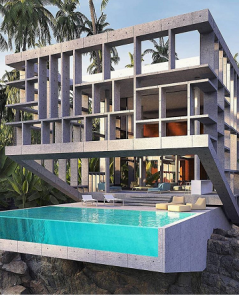
Over the years, glass facade architecture has evolved into a modern design trend, with architects and builders pushing the boundaries of what is possible with glass as a primary material. One trend that has emerged in recent years is the use of double-skin facades. These facades consist of two layers of glass, with an air gap between them, creating a buffer zone that provides thermal insulation and soundproofing. This design can significantly improve the energy efficiency of buildings with glass facades, while also reducing the need for artificial lighting and air conditioning.
Another trend in glass facade architecture is the use of advanced glazing technologies, such as low-e coatings and insulated glass units. Low-e coatings are thin, transparent layers of metal that are applied to the surface of glass, reducing heat loss and glare while maintaining high levels of natural light. Insulated glass units consist of two or more layers of glass with a hermetically sealed air or gas space between them, providing superior thermal insulation and soundproofing.
In addition to technological advancements, architects and builders are also experimenting with new forms and shapes in glass facade design. Curved and undulated glass facades, for example, can create unique and dynamic building designs while also providing functional benefits such as improved natural light distribution and reduced glare. Another trend is the use of patterned or textured glass, which can create visual interest while also providing privacy for occupants.
One notable example of modern glass facade architecture is the Burj Khalifa in Dubai, which is currently the tallest building in the world. The building features a distinctive, tapered design that is clad in a high-performance glass facade. The glass was specifically chosen for its ability to withstand high winds and extreme temperatures, while also allowing for optimal natural light transmission and energy efficiency.
Conclusion
Glass facade architecture has come a long way since its origins in the 19th century. Today, it is a modern design trend that offers a unique blend of aesthetics and functionality. While there are challenges associated with using glass as a primary material for building exteriors, architects and builders are continually pushing the boundaries of what is possible with new technologies and design techniques. As a result, we can expect to see even more innovative and striking examples of glass facade architecture in the future.
To mitigate these environmental impacts, architects and builders can explore sustainable alternatives to traditional glass, such as bio-glass made from renewable materials. They can also incorporate greenery into the building design, such as green roofs and walls, to help reduce the urban heat island effect and improve air quality.
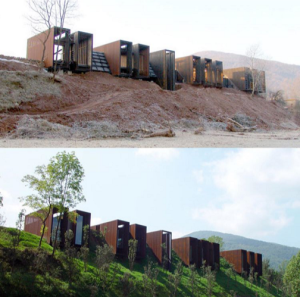
In conclusion, glass facade architecture is a modern design trend that offers a unique blend of aesthetics and functionality. While there are challenges associated with using glass as a primary material for building exteriors, architects and builders are continually pushing the boundaries of what is possible with new technologies and design techniques. As we continue to advance in sustainable building practices, it is important to consider the environmental impact of glass facade architecture and explore ways to mitigate its negative effects on the environment.

Leave A Comment