
Glass aluminium profile factory
A glass aluminium profile factory is a specialized manufacturing plant that produces high-quality glass aluminium profiles used in the construction industry. These profiles are made by combining glass and aluminium, creating a material that is durable, lightweight, and highly resistant to corrosion.
The glass aluminium profiles produced by these factories are used in a wide range of applications, including doors, windows, curtain walls, and other building elements. These profiles offer several advantages over other materials, such as steel or wood, including their low weight, durability, and resistance to rust and corrosion.
In this article, we will explore the process of manufacturing glass aluminium profiles, the advantages of using these materials in construction, and some of the common applications for glass aluminium profiles in modern architecture.
Manufacturing Glass Aluminium Profiles
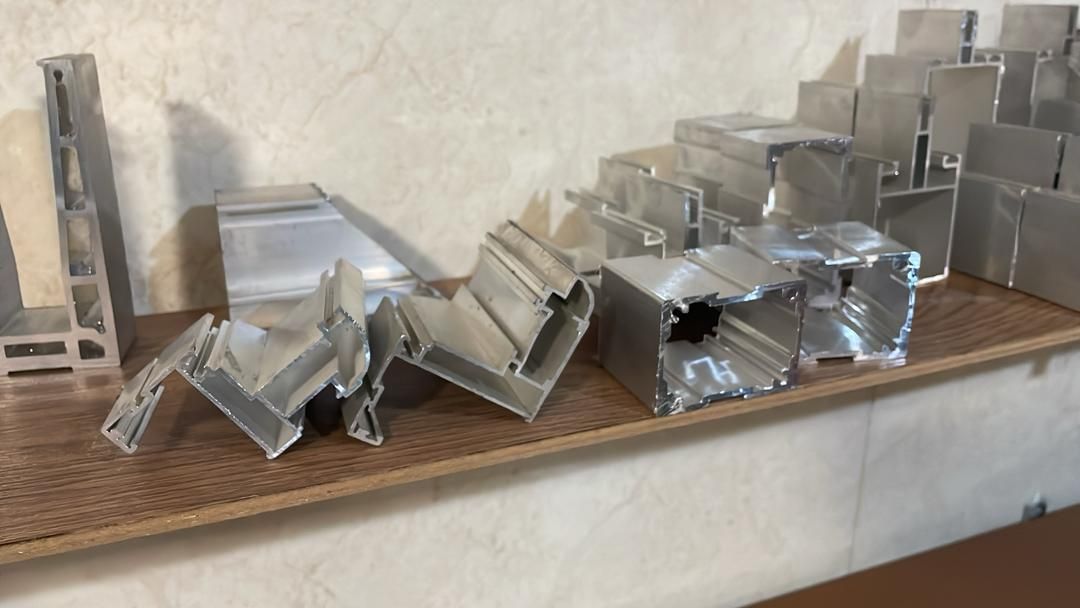
The manufacturing process for glass aluminium profiles is complex and requires specialized equipment and expertise. In general, the process involves several stages, including extrusion, surface treatment, and assembly.
Extrusion is the first step in the manufacturing process. This involves forcing a heated mixture of glass and aluminium through a die to create the desired shape of the profile.
The die is a specially design tool that is used to shape the material into the desire form.
The mixture of glass and aluminium is heated to a high temperature to make it malleable and easy to shape.This process is known as extrusion, and it is used to create a wide range of shapes and sizes of glass aluminium profiles.
The next stage in the manufacturing process is surface treatment. This involves treating the surface of the profile to improve its appearance and increase its durability. This process typically involves anodizing or powder coating the aluminium surface to protect it from corrosion and wear. Anodizing involves using an electrolytic process to create a layer of oxide on the surface of the aluminium. This layer is highly durable and resistant to corrosion, making it ideal for use in construction applications. Powder coating involves applying a layer of powder to the surface of the aluminium and then curing it in an oven. This creates a durable and attractive finish that is resistant to scratches and wear.
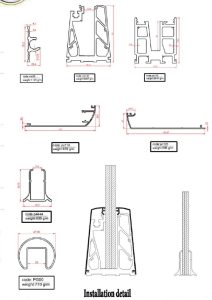
The final stage in the manufacturing process is assembly. This involves joining the glass and aluminium components together to create the final product. This can involve using adhesives, mechanical fasteners, or other methods to create a strong and durable bond between the two materials.
The finish glass aluminium profiles can then be use in a wide range of construction applications.
Advantages of Glass Aluminium Profiles
There are several advantages to using glass aluminium profiles in construction applications. One of the primary advantages is their low weight. Glass aluminium profiles are significantly lighter than other materials, such as steel or wood, making them easier to transport and install. This can help to reduce construction costs and increase efficiency on the job site.
Another advantage of glass aluminium profiles is their durability. Glass aluminium profiles are highly resistant to corrosion, rust, and wear, making them ideal for use in harsh environments. They are also resistant to UV radiation, which can help to protect them from fading or discoloration over time. This makes them a popular choice for use in buildings that are located in areas with harsh weather conditions or high levels of pollution.
Glass aluminium profiles are also highly customizable.
They can be design to fit a wide range of shapes and sizes, making them ideal for use in a wide range of construction applications.
They can also be finish with a wide range of coatings and finishes, including anodizing, powder coating, and painting, which can help to create a wide range of aesthetic effects.
Applications of Glass Aluminium Profiles
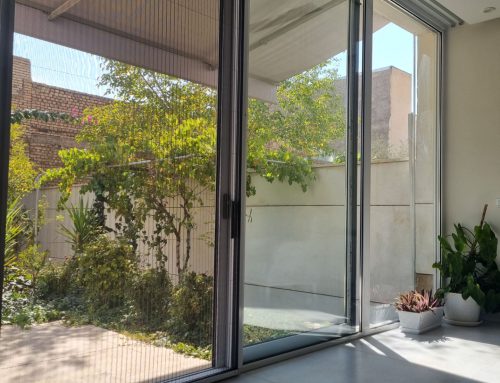
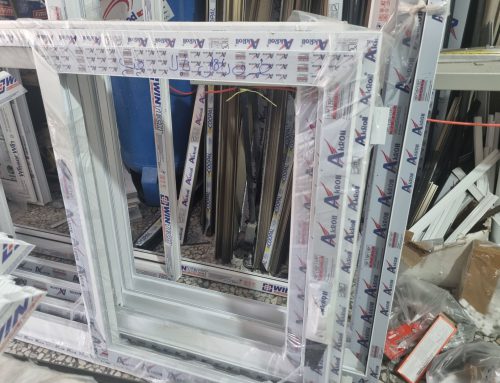
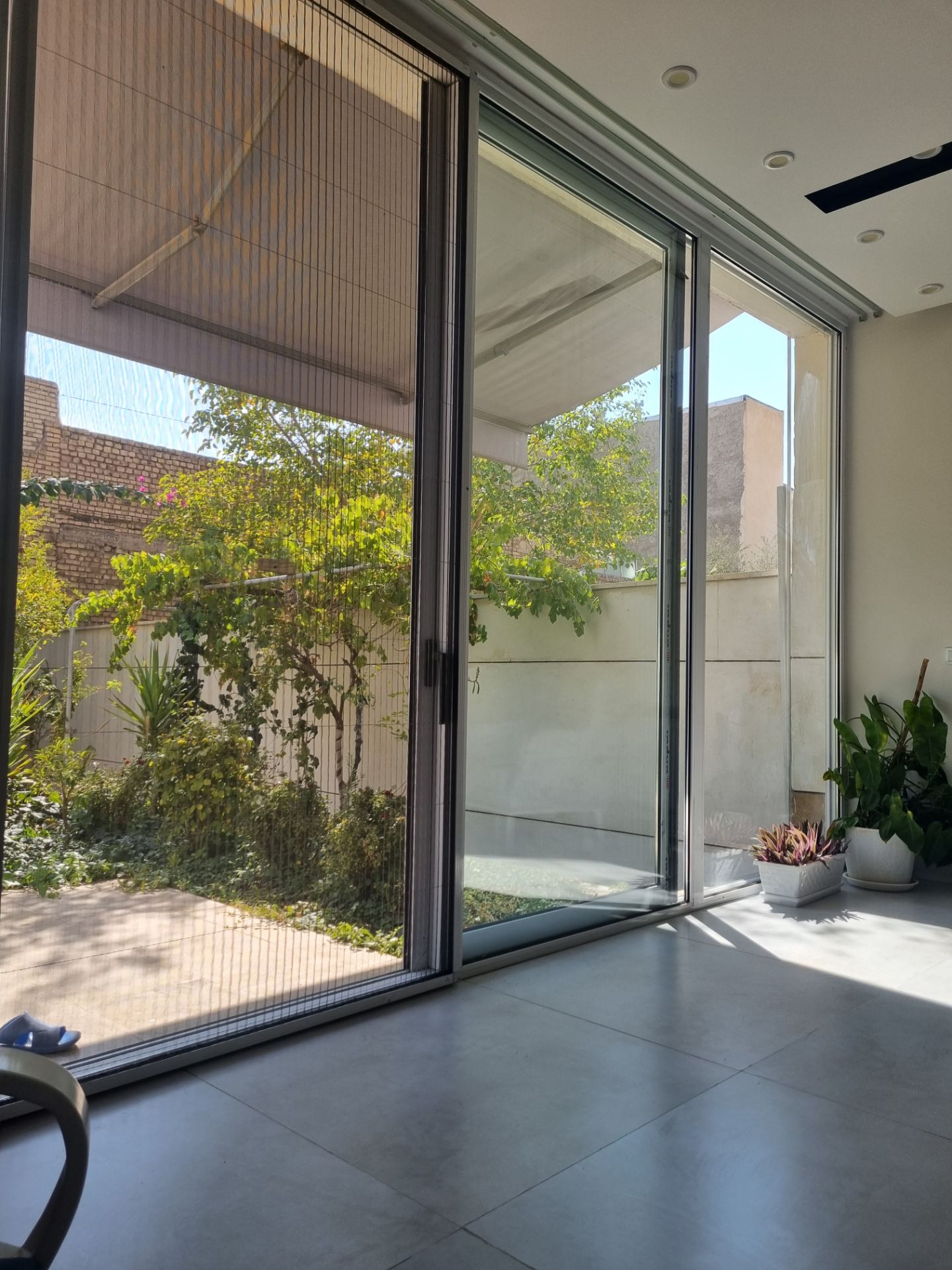
Glass aluminium profiles are use in a wide range of construction applications, including doors, windows, curtain walls, and other building elements.
They are also use in the construction of buildings that require high levels of energy efficiency, such as green buildings and passive houses.
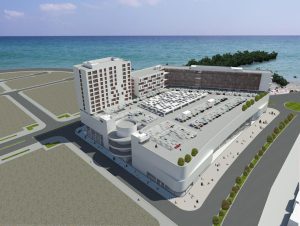
One common application for glass aluminium profiles is in the construction of curtain walls.
Curtain walls are non-structural outer coverings that are design to protect the building from the elements and provide thermal insulation.
Glass aluminium profiles are a popular choice for curtain walls because they are lightweight, durable, and highly customizable.
In addition to their practical advantages, glass aluminium profiles are also highly aesthetic.
They can be finish in a wide range of colors and textures, making them a popular choice for architects and designers who want to create a unique and visually striking building design.
Glass aluminium profiles are also an environmentally friendly choice for construction applications. They are highly energy efficient, which can help to reduce the building’s energy consumption and carbon footprint.
They are also highly recyclable, which means that they can be reuse or repurposed at the end of their useful life.
Choosing a Glass Aluminium Profile Factory
When choosing a glass aluminium profile factory, it is important to consider several factors. These include the factory’s expertise and experience, their equipment and facilities, and their commitment to quality and customer service.
The factory’s expertise and experience are critical to ensuring that the glass aluminium profiles produced are of high quality and meet the required standards.
Look for a factory that has a proven track record of success and a team of experience professionals who are skill in the manufacturing process.
The factory’s equipment and facilities are also important.
Look for a factory that uses modern, state-of-the-art equipment and facilities that are design to produce high-quality glass aluminium profiles efficiently and effectively.
Finally, the factory’s commitment to quality and customer service is essential. Look for a factory that has a strong commitment to quality control and customer service.
This can help to ensure that the glass aluminium profiles produce are of the highest quality and that any issues or concerns are address promptly and professionally.
Conclusion
Glass aluminium profiles are a popular choice for construction applications due to their low weight, durability, and resistance to corrosion and wear. They are also highly customizable, making them a versatile choice for a wide range of building elements. When choosing a glass aluminium profile factory, it is important to consider factors such as the factory’s expertise and experience, their equipment and facilities, and their commitment to quality and customer service. With the right factory and manufacturing process, glass aluminium profiles can help to create durable, energy-efficient, and visually striking buildings that meet the highest standards of quality and sustainability.

Leave A Comment