
Frameless glass facade detail
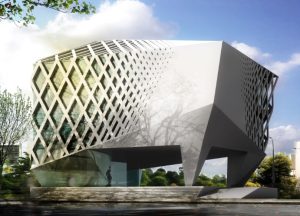
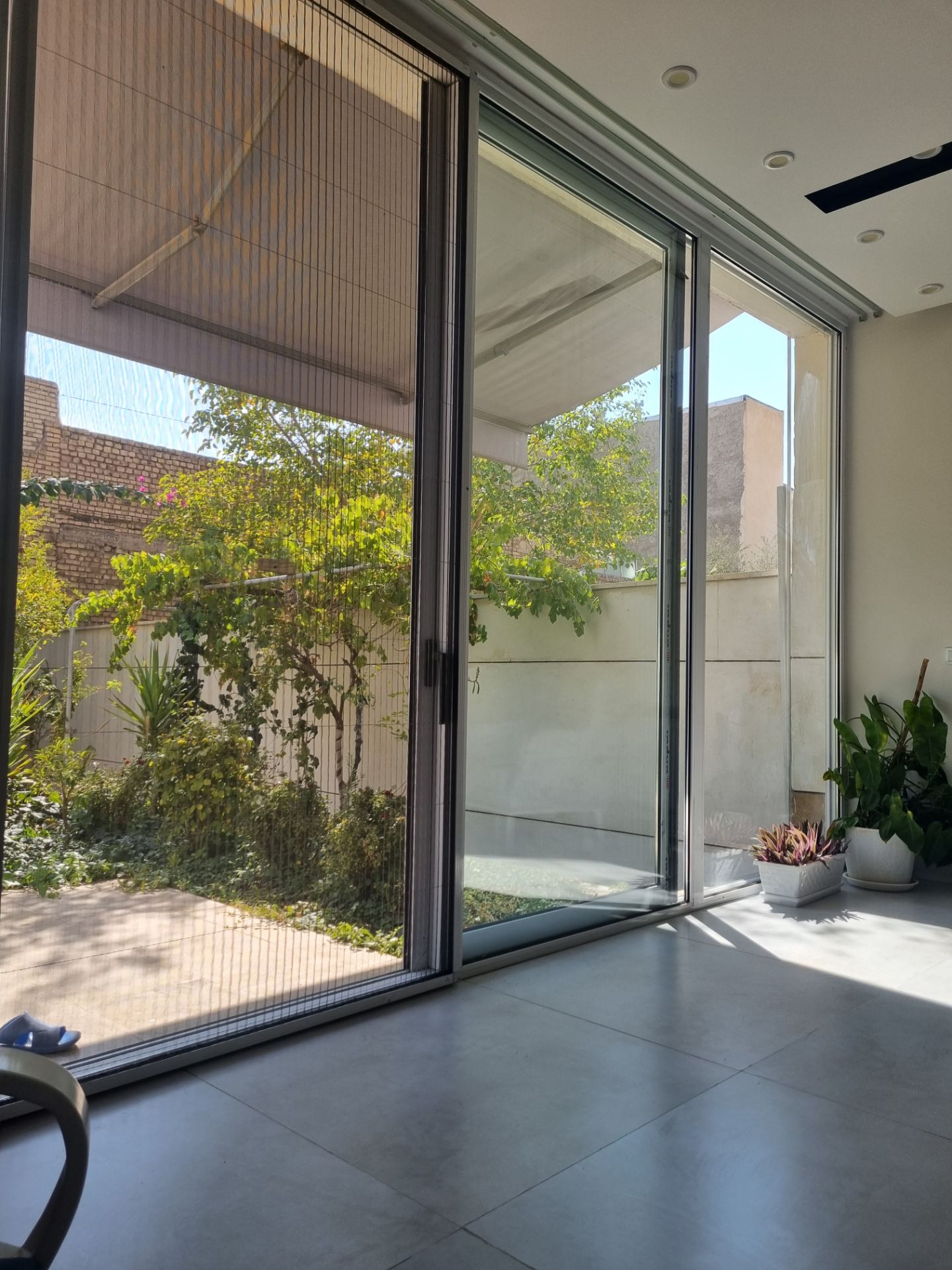
A frameless glass facade is a modern architectural feature that provides a clean, minimalist look for buildings.
It consists of large panes of glass that are join together without the use of visible frames or support structures.
The result is a seamless, sleek, and transparent surface that allows natural light to penetrate deep into the interior of the building.
Frameless glass facades are popular for their aesthetic appeal, energy efficiency, and durability.
They are use in a variety of buildings, including commercial, residential, and institutional structures.
In this article, we will discuss the details of frameless glass facades, including their construction, benefits, and maintenance.
Construction
Frameless glass facades are construct using tempere glass panels that are typically between 10-12 mm thick.
These panels are reinforc with a heat-soake process that removes any tempere glass that may be prone to spontaneous breakage.
The glass panels are joine together with structural silicone or mechanical fixings that are hide from view.
Structural silicone is a high-strength adhesive that can bond the glass panels to each other and to the building’s structure. It is a flexible material that can withstand high wind pressures and seismic activity.
The use of structural silicone also allows for the creation of a monolithic glass facade, which gives the appearance of a single, uninterrupted sheet of glass.
Mechanical fixings, on the other hand, are use to attach the glass panels to the building’s frame.
These fixings are usually make of stainless steel and are hide from view.
They are design to provide additional support to the glass panels and prevent them from shattering in the event of an impact.
Benefits
Frameless glass facades offer several benefits that make them an attractive choice for building owners and architects.
One of the primary benefits is their aesthetic appeal.
The seamless, transparent surface of a frameless glass facade provides a modern, sleek look that can enhance the appearance of any building.
It also allows natural light to penetrate deep into the interior of the building, which can improve the overall mood and productivity of the occupants.
Another benefit of frameless glass facades is their energy efficiency.
The large glass panels can help to reduce the building’s energy consumption by providing natural light and solar heat gain.
This can help to lower the building’s heating and cooling costs and reduce its carbon footprint.
Frameless glass facades are also durable and low-maintenance.
The tempered glass panels are highly resistant to breakage and can withstand extreme weather conditions, such as high winds and heavy rain.
They are also easy to clean and require minimal maintenance over their lifespan.
Maintenance
While frameless glass facades are low-maintenance, they do require some regular upkeep to ensure their longevity and safety.
One of the most important maintenance tasks is the inspection of the glass panels for any cracks or damage.
Any cracks or damage should be repaire immediately to prevent the glass from shattering.
Another maintenance task is the cleaning of the glass panels. Regular cleaning can help to maintain the transparency and appearance of the glass facade.
The cleaning process should be carrie out using a soft, non-abrasive cloth and a mild detergent solution.
Harsh chemicals and abrasive materials should be avoide, as they can damage the glass surface.
In addition to these tasks, it is also important to ensure that the structural silicone or mechanical fixings are in good condition.
These components should be inspecte regularly and replaced if they show signs of wear or damage.
This can help to prevent the glass panels from becoming loose or detached from the building’s structure.
Conclusion
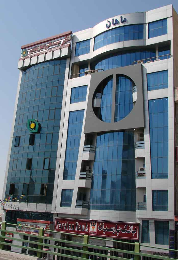
Frameless glass facades are a popular and attractive choice for modern buildings.
They offer a seamless, transparent surface that allows natural light to penetrate deep into the interior of the building. They also provide energy efficiency, durability, and low maintenance requirements.
However, it is important to ensure that they are install and maintained correctly to ensure their safety and longevity.
One of the key factors to consider when installing a frameless glass facade is the structural support.
The building must be able to support the weight of the glass panels and withstand any wind or seismic activity that may occur.
It is important to work with a qualified engineer or architect to ensure that the building’s structure is adequate for the installation of a frameless glass facade.
Another consideration is the climate and environment in which the building is located.
In areas with extreme weather conditions, such as high winds or heavy rain, additional support may be require to ensure the safety and stability of the glass facade.
It is important to work with a qualified contractor who has experience with installing frameless glass facades in different environments.
In terms of design, there are many options available for frameless glass facades.
The glass panels can be tinte or coat to provide additional solar control, and they can also be decorat with patterns or designs to add a unique touch to the building’s appearance.
The use of fritted glass can also help to reduce glare and improve the overall energy efficiency of the building.

Conclusion
In conclusion, frameless glass facades offer a sleek and modern look for buildings while providing energy efficiency, durability, and low maintenance requirements.
However, it is important to ensure that they are installand maintained correctly to ensure their safety and longevity. Working with qualified engineers, architects, and contractors can help to ensure that the glass facade is designed, installed, and maintained to the highest standards. With proper care and maintenance, a frameless glass facade can provide an attractive and functional feature for many years to come.

Leave A Comment