
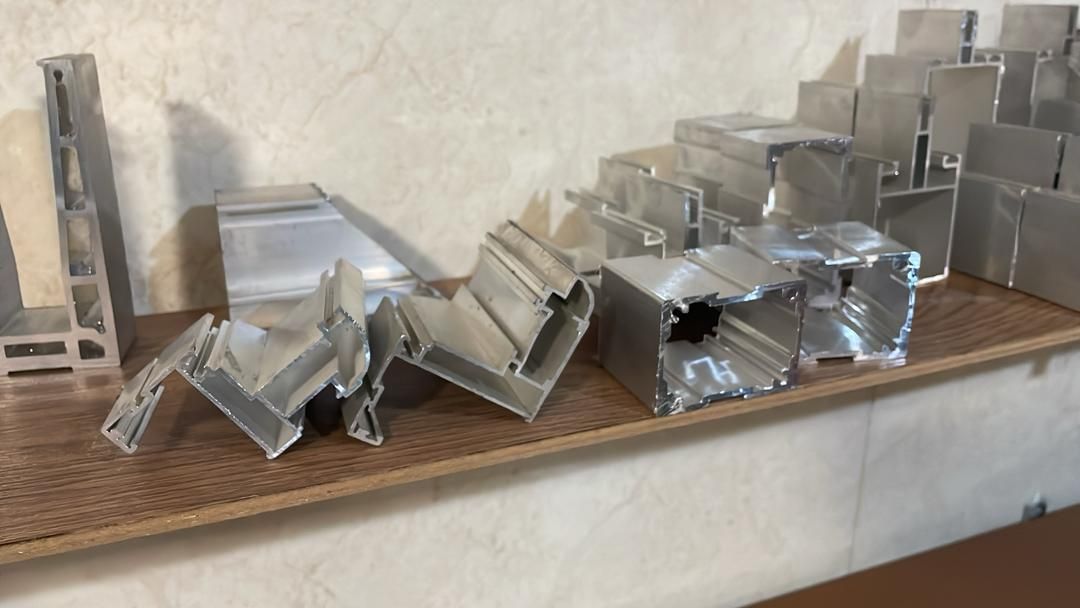
flat horizontal cover cap profile
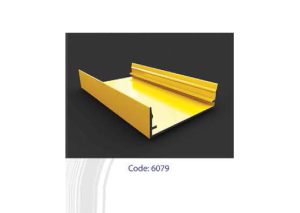
A flat horizontal cover cap profile is a type of metal roofing profile that has a flat top and a horizontal orientation. It is one of the most common types of roofing profiles used in commercial and industrial buildings, as well as in some residential applications.
Flat horizontal cover cap profiles are typically made of steel or aluminum, and they can be finished in a variety of colors and coatings. They are also available in a variety of thicknesses, depending on the specific application.
Flat horizontal cover cap profiles are relatively easy to install and maintain, and they offer a number of advantages over other types of roofing profiles, including:
- Durability: Flat horizontal cover cap profiles are very durable and can withstand a wide range of weather conditions, including high winds, heavy rain, and snow.
- Watertightness: Flat horizontal cover cap profiles are designed to be watertight, preventing leaks and protecting the interior of the building from moisture damage.
- Energy efficiency: Flat horizontal cover cap profiles can help to improve the energy efficiency of a building by reflecting heat away from the roof in the summer and retaining heat in the winter.
- Aesthetics: Flat horizontal cover cap profiles can provide a clean and modern look to a building.
Flat horizontal cover cap profiles are a popular choice for a variety of roofing applications, including:
- Commercial and industrial buildings: Flat horizontal cover cap profiles are commonly used on commercial and industrial buildings, such as warehouses, factories, and office buildings.
- Residential buildings: Flat horizontal cover cap profiles can also be used on some residential buildings, such as flat-roofed homes and garages.
- Other applications: Flat horizontal cover cap profiles are also used in a variety of other applications, such as roofing for carports, porches, and patios.
Installation of Flat Horizontal Cover Cap Profiles
Flat horizontal cover cap profiles are relatively easy to install, but it is important to follow the manufacturer’s instructions carefully. The following is a general overview of the installation process:
- Prepare the roof deck by making sure that it is clean and level. Any uneven areas should be filled in with a suitable roofing sealant.
- Install a base flashing around the perimeter of the roof deck. This will help to prevent leaks and protect the roof deck from moisture damage.
- Install the cover cap profiles, starting at one end of the roof and working your way to the other. Overlap each profile by at least 6 inches to ensure watertightness.
- Secure the cover cap profiles to the roof deck using roofing nails or screws.
- Install a ridge cap along the top of the roof to seal the edges of the cover cap profiles.
- Install any other necessary flashing, such as pipe flashing and vent flashing.
Maintenance of Flat Horizontal Cover Cap Profiles
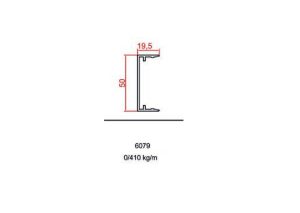
Flat horizontal cover cap profiles are relatively low-maintenance, but it is important to inspect them regularly for signs of damage. Any damage should be repaired promptly to prevent leaks and other problems.
The following are some tips for maintaining flat horizontal cover cap profiles:
- Inspect the roof regularly for signs of damage, such as loose or missing nails, cracked or damaged profiles, and standing water.
- Clean the roof regularly to remove dirt, debris, and leaves.
- Apply a sealant to the roof every few years to help protect it from the elements.
Pros and Cons of Flat Horizontal Cover Cap Profiles
Pros:
- Durable and can withstand a variety of weather conditions
- Watertight and prevents leaks
- Energy efficient and can help to reduce energy costs
- Provides a clean and modern look to a building
- Relatively easy to install and maintain
Cons:
- Can be more expensive than other types of roofing profiles
- Can be more difficult to repair than other types of roofing profiles
- Not as aesthetically pleasing as some other types of roofing profiles
Overall, flat horizontal cover cap profiles are a good choice for a variety of roofing applications. They are durable, watertight, and energy efficient. However, they can be more expensive than other types of roofing profiles and may not be as aesthetically pleasing for some applications.
When to Choose Flat Horizontal Cover Cap Profiles
Flat horizontal cover cap profiles are a good choice for roofing applications where durability, watertightness, and energy efficiency are important. They are also a good choice for applications where a clean and modern look is desired.
Here are some specific examples of applications where flat horizontal cover cap profiles are a good choice:
- Commercial and industrial buildings, such as warehouses, factories, and office buildings
- Flat-roofed homes and garages
- Carports, porches, and patios
- Buildings in areas with extreme weather conditions, such as high winds, heavy rain, or snow
When Not to Choose Flat Horizontal Cover Cap Profiles
Flat horizontal cover cap profiles are not a good choice for all roofing applications. Here are some specific examples of applications where flat horizontal cover cap profiles are not a good choice:
- Buildings with complex roof designs
- Buildings with tight budgets
- Buildings where a specific aesthetic is desired, such as a traditional or rustic look
Cost of Flat Horizontal Cover Cap Profiles
The cost of flat horizontal cover cap profiles varies depending on a number of factors, including the material, thickness, and finish. The following is a general overview of the cost of flat horizontal cover cap profiles:
- Material: Steel cover cap profiles are typically less expensive than aluminum cover cap profiles.
- Thickness: Thicker cover cap profiles are more expensive than thinner cover cap profiles.
- Finish: Cover cap profiles with a special finish, such as a Galvalume finish, are more expensive than cover cap profiles with a standard finish.
In general, you can expect to pay between $3 and $7 per square foot for flat horizontal cover cap profiles. The following table shows the estimated cost of flat horizontal cover cap profiles for different materials and thicknesses:
| Material | Thickness | Cost per square foot |
|---|---|---|
| Steel | 26 gauge | $3-$4 |
| Steel | 24 gauge | $4-$5 |
| Steel | 22 gauge | $5-$6 |
| Aluminum | 26 gauge | $4-$5 |
| Aluminum | 24 gauge | $5-$6 |
| Aluminum | 22 gauge | $6-$7 |
It is important to note that these are just estimates. The actual cost of flat horizontal cover cap profiles will vary depending on the specific factors mentioned above.
Conclusion
Flat horizontal cover cap profiles are a durable, watertight, and energy-efficient roofing option. They are a good choice for a variety of roofing applications, including commercial and industrial buildings, flat-roofed homes and garages, and carports, porches, and patios.
If you are considering using flat horizontal cover cap profiles for your roofing project, be sure to consult with a qualified roofing contractor to ensure that the correct profile and thickness are selected for your specific application.

Leave A Comment