
Exporting the best composite types

Composite materials have revolutionized various industries, offering unparalleled strength, lightweight properties, and exceptional versatility. As the demand for high-performance materials continues to rise, exporting the best composite types presents an opportunity to unlock global potential. This article explores the benefits of exporting composite materials, identifies the most sought-after composite types, and discusses the key considerations for successful international trade.
The Advantages of Composite Materials:
Composite materials are engineered by combining two or more constituent materials, each contributing unique properties to the final product. This synergy results in materials that outperform traditional options across several industries. The advantages of composites include:
- Lightweight: Composites offer a high strength-to-weight ratio, making them ideal for applications that require reduced weight without compromising structural integrity. Industries such as aerospace, automotive, and renewable energy benefit significantly from lightweight composites.
- Strength and Durability: Composites possess exceptional strength, often surpassing that of metals. They exhibit resistance to corrosion, fatigue, and impact, ensuring durability in demanding environments.
- Design Flexibility: Composite materials can be molded into complex shapes, allowing manufacturers to design innovative and streamlined products. This flexibility enables customization, optimizing performance for specific applications.
- Chemical Resistance: Many composites demonstrate excellent resistance to chemicals, making them suitable for applications in harsh or corrosive environments such as chemical processing, oil and gas, and marine industries.
Most Sought-After Composite Types:
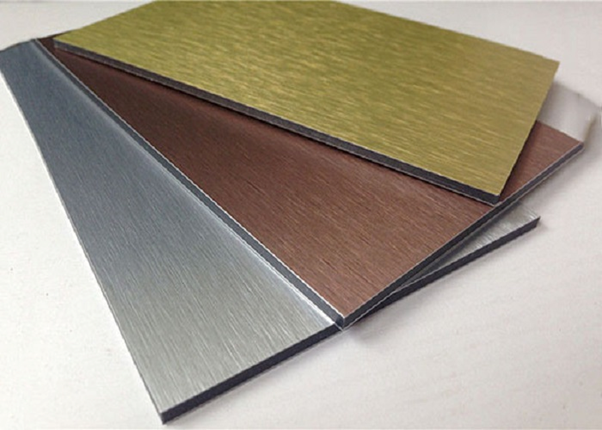
Several composite types have gained significant popularity due to their outstanding properties and wide-ranging applications. The following composite types are highly sought-after for export:
- Carbon Fiber Reinforced Polymer (CFRP): CFRP composites combine carbon fiber with a polymer matrix, resulting in exceptional strength, rigidity, and low weight. They find extensive use in aerospace, automotive, sports equipment, and high-performance structures.
- Glass Fiber Reinforced Polymer (GFRP): GFRP composites, made by reinforcing glass fibers with a polymer matrix, offer good strength and cost-effectiveness. They are commonly used in construction, transportation, electrical, and marine industries.
- Aramid Fiber Reinforced Polymer (AFRP): AFRP composites, incorporating aramid fibers like Kevlar with a polymer matrix, exhibit excellent impact resistance and thermal stability. They find applications in bulletproof vests, aerospace, and sporting goods.
- Natural Fiber Reinforced Polymer (NFRP): NFRP composites utilize renewable natural fibers, such as flax, hemp, or bamboo, with a polymer matrix. They offer an eco-friendly alternative and are used in automotive interiors, packaging, and construction.
Key Considerations for Successful Export:
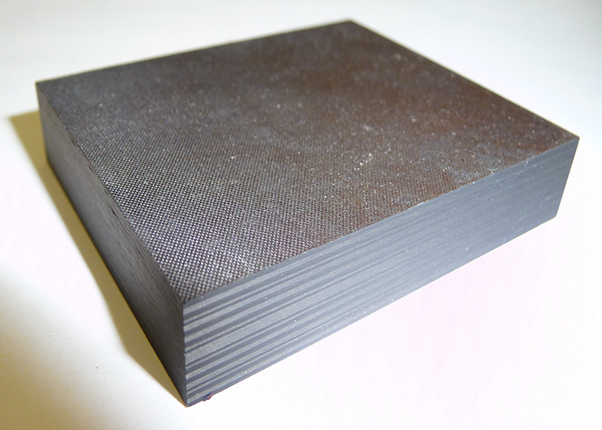
Exporting composite materials requires careful planning and consideration of various factors. Here are key considerations for a successful export venture:
- Quality Assurance: Ensure strict quality control measures throughout the manufacturing process to meet international standards and regulations. Reliable quality assurance ensures customer satisfaction and strengthens the reputation of exported composite materials.
- Compliance with Standards: Familiarize yourself with the relevant industry standards and certifications in the target market. Adhering to these standards enhances market acceptance and facilitates trade.
- Supply Chain Management: Establish a robust supply chain network to ensure a seamless flow of raw materials, manufacturing processes, and distribution. Efficient supply chain management minimizes lead times, reduces costs, and improves overall competitiveness.
- Intellectual Property Protection: Safeguard your composite technology and innovations by securing intellectual property rights in the target markets. This protection prevents unauthorized use and ensures fair market competition.
- Market Research and Localization: Conduct thorough market research to identify the demand for specific composite types in different regions. Localization of products to suit regional preferences and regulatory requirements is crucial for successful export.
Conclusion:
Exporting the best composite types presents an opportunity to tap into global markets and maximize the potential of these high-performance materials. The advantages offered by composites, coupled with strategic considerations, can pave the way for successful international trade. By adhering to quality standards, optimizing the supply chain, protecting intellectual property, and conducting thorough market research, exporters can position themselves for growth and contribute to the global advancement of composite technology.
Additionally, fostering collaborations and partnerships with local distributors, manufacturers, and industry experts in the target markets can provide invaluable insights and facilitate market entry.
Moreover, it is essential to stay updated with advancements and emerging trends in composite technology. As new composite types and manufacturing techniques emerge, exporters should adapt and innovate to stay ahead of the competition. By investing in research and development, exporters can continuously enhance their composite materials, making them more desirable and competitive in the global market.
Furthermore, building a strong brand presence and establishing a reputation for delivering high-quality composite materials is crucial. Participating in international trade shows, exhibitions, and industry conferences can help showcase products, network with potential buyers, and build trust with customers.
It is also worth considering the environmental sustainability aspect of composite materials. As the world focuses on eco-friendly solutions, exporting composite types that incorporate recycled materials, natural fibers, or bio-based resins can be a strategic advantage. Demonstrating a commitment to sustainability and reducing the environmental impact of composite manufacturing can attract environmentally conscious consumers and open doors to new markets.
In conclusion, exporting the best composite types is a promising endeavor for businesses seeking global growth. The exceptional properties of composites, combined with careful planning, quality control, compliance with standards, and market localization, can unlock opportunities and establish a strong presence in international markets. By staying innovative, collaborating with industry partners, and prioritizing sustainability, exporters can contribute to the advancement of composite technology while achieving success in the global marketplace.







Leave A Comment