
Dry facade Aluminium Profile to export
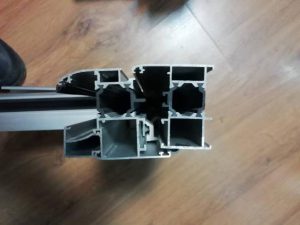
Introduction: In the realm of modern architecture, the use of dry facade systems has gained significant traction due to their versatility, aesthetics, and energy efficiency. As a key component of dry facades, aluminium profiles play a crucial role in providing structural support, durability, and design flexibility. This article explores the burgeoning market for dry facade aluminium profiles and highlights the immense potential for exporting these products.
-
The Growing Demand for Dry Facade Systems:
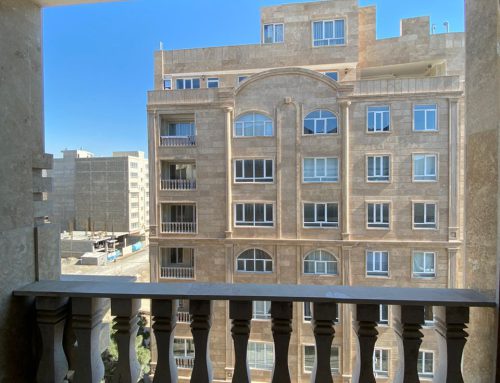
Dry facade systems have become increasingly popular in the construction industry, owing to their numerous advantages. These systems offer an efficient and cost-effective solution for improving thermal insulation, weatherproofing, and soundproofing of buildings. Dry facades also allow for creative architectural designs and facilitate easy maintenance and renovation. The rising demand for sustainable and energy-efficient construction practices further fuels the adoption of dry facades globally.
-
The Importance of Aluminium Profiles in Dry Facades:
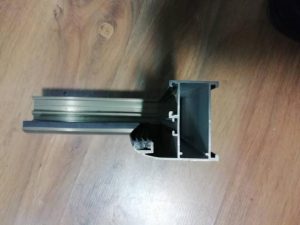
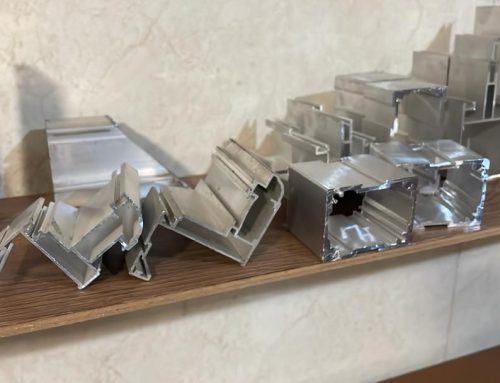
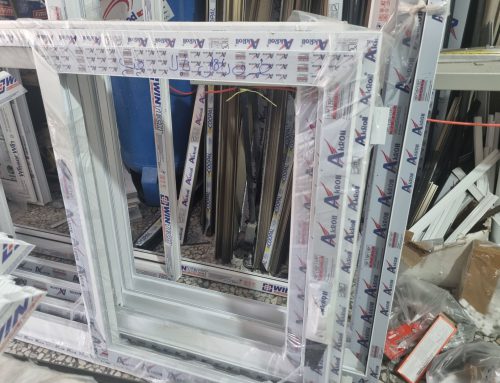
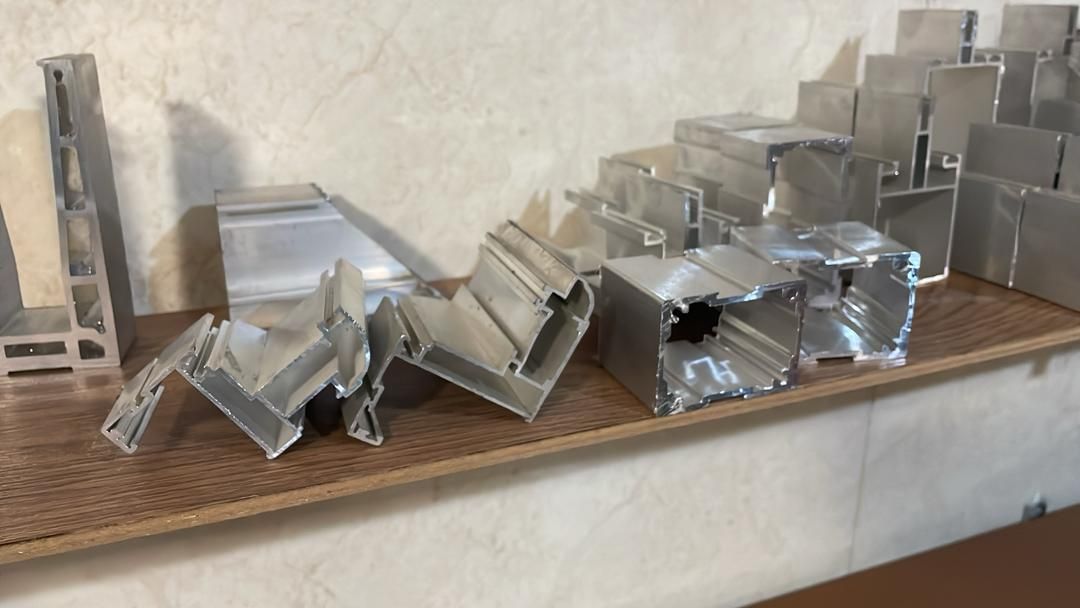
Aluminium profiles are integral to the success of dry facades. These profiles serve as the framework for attaching various facade elements such as cladding panels, insulation materials, and ventilation systems. The lightweight nature of aluminium makes it a preferred choice, enabling easy installation and reducing the load on the building structure. Aluminium profiles also exhibit excellent corrosion resistance, ensuring the longevity and durability of the facade system.
-
Advantages of Exporting Dry Facade Aluminium Profiles:
a. Market Growth: The global demand for dry facade systems is on the rise, with regions like Europe, North America, and Asia Pacific witnessing significant growth in the construction sector. Exporting dry facade aluminium profiles provides an opportunity to tap into these expanding markets and capitalize on the increasing demand.
b. Quality Manufacturing:
Many countries possess advanced aluminium extrusion and fabrication capabilities, allowing for the production of high-quality aluminium profiles. Exporting these profiles can help establish a reputation for excellence and reliability in the international market.
c. Cost-Effectiveness:
Depending on the country of origin, exporting dry facade aluminium profiles can offer cost advantages due to lower production costs, economies of scale, or favorable exchange rates. This competitive pricing can attract buyers from various countries, creating a win-win situation for both exporters and importers.
d. Technological Expertise:
Exporting dry facade aluminium profiles necessitates keeping pace with technological advancements and industry standards. This drive for innovation and continuous improvement can foster the development of cutting-edge manufacturing techniques, enhancing the competitiveness of the exporting country’s aluminium industry.
-
Overcoming Export Challenges:
While the export of dry facade aluminium profiles presents lucrative opportunities, it is essential to address potential challenges. These may include trade barriers, compliance with international standards and regulations, logistics and transportation, and cultural differences. Collaborating with local trade organizations, leveraging diplomatic channels, and investing in robust supply chain management can mitigate these challenges and facilitate successful exports.
in dry facade systems has opened up a promising market for the export of dry facade aluminium profiles. These profiles, with their structural integrity, design versatility, and durability, are essential components of modern architectural facades. By tapping into the expanding demand for dry facade systems, exporters of aluminium profiles can capitalize on the numerous benefits and opportunities that this market presents.
Exporting dry facade aluminium profiles offers several advantages. Firstly, it allows companies to take advantage of the growing market for dry facades, particularly in regions experiencing robust construction activity. For example, Europe, with its focus on sustainable building practices, presents a significant market opportunity for exporters of dry facade aluminium profiles. Similarly, countries in Asia Pacific and North America are witnessing an upsurge in construction projects that emphasize energy efficiency and modern architectural designs.
Furthermore, exporters can leverage their expertise in manufacturing high-quality aluminium profiles. With advanced extrusion and fabrication capabilities, they can deliver profiles that meet international standards and specifications. This commitment to quality ensures that exported profiles are reliable, durable, and compliant with the stringent requirements of construction projects worldwide. By establishing a reputation for excellence, exporters can gain a competitive edge in the global market.
Exporting dry facade aluminium profiles can also be cost-effective. Countries with lower production costs or favorable exchange rates can offer competitive pricing, attracting buyers from around the world. Additionally, economies of scale can be achieved through exporting, further enhancing the cost-effectiveness of production. This affordability makes these profiles more accessible to a wide range of construction projects, bolstering their market demand.
To succeed in the export of dry facade aluminium profiles, it is essential to address potential challenges. Trade barriers, such as tariffs and import restrictions, can hinder market access. Exporters should actively engage with local trade organizations and government bodies to advocate for favorable trade policies and explore opportunities for bilateral agreements. Compliance with international standards and regulations, such as those relating to safety and environmental impact, is also crucial to ensure smooth market entry.
Logistics and transportation are other key considerations. Exporters must establish efficient supply chains to facilitate the timely delivery of aluminium profiles to their international customers. This may involve collaborating with reliable shipping partners, optimizing packaging and handling processes, and ensuring smooth customs clearance procedures.
Lastly, understanding the cultural differences and specific requirements of different markets is essential for successful exports. Adapting to local preferences, building strong business relationships, and offering personalized customer service can significantly enhance market penetration.
Conclusion:
In conclusion, the export of dry facade aluminium profiles presents a promising opportunity for companies in the aluminium industry. With the growing demand for dry facades worldwide, exporters can tap into expanding markets, showcase their manufacturing expertise, and offer cost-effective solutions. By addressing challenges and capitalizing on opportunities, exporters can establish a strong presence in the global market for dry facade systems, contributing to the advancement of sustainable and aesthetically pleasing architectural practices.

Leave A Comment