
Detailed information on the implementation of skylight and curtain wall
Introduction:
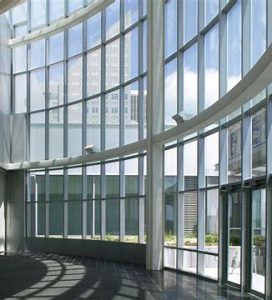
Detailed information on the implementation of skylight and curtain wall ,Skylights and curtain walls are architectural elements that not only enhance the aesthetics of a building but also play crucial roles in its functionality and energy efficiency. Understanding the intricacies of their implementation is essential for architects, engineers, and builders alike. In this article, we delve into the detailed information on the implementation of skylights and curtain walls, covering design considerations, materials, installation processes, and benefits.
Design Considerations: Before embarking on the implementation of skylights and curtain walls, careful consideration of various design factors is paramount. These include:
- Building Orientation: The orientation of the building plays a significant role in determining the placement and size of skylights and curtain walls to optimize natural light and energy efficiency.
- Climate and Weather Conditions: Factors such as sunlight exposure, wind loads, and precipitation levels influence the choice of materials and design specifications for skylights and curtain walls.
- Building Functionality: The intended use of the building, whether residential, commercial, or industrial, dictates the design requirements for skylights and curtain walls in terms of insulation, soundproofing, and ventilation.
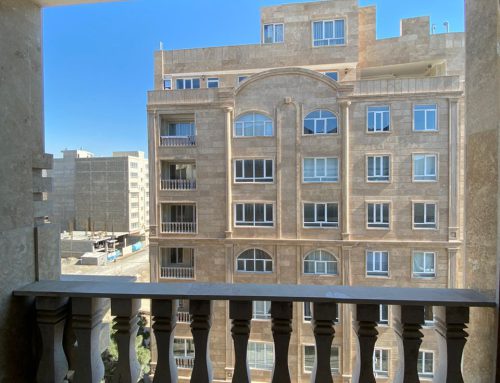
- Architectural Aesthetics: Skylights and curtain walls contribute to the overall architectural style and visual appeal of the building, so their design should harmonize with the overall design concept.
Materials: Skylights and curtain walls are constructed using a variety of materials, each offering unique properties and benefits:
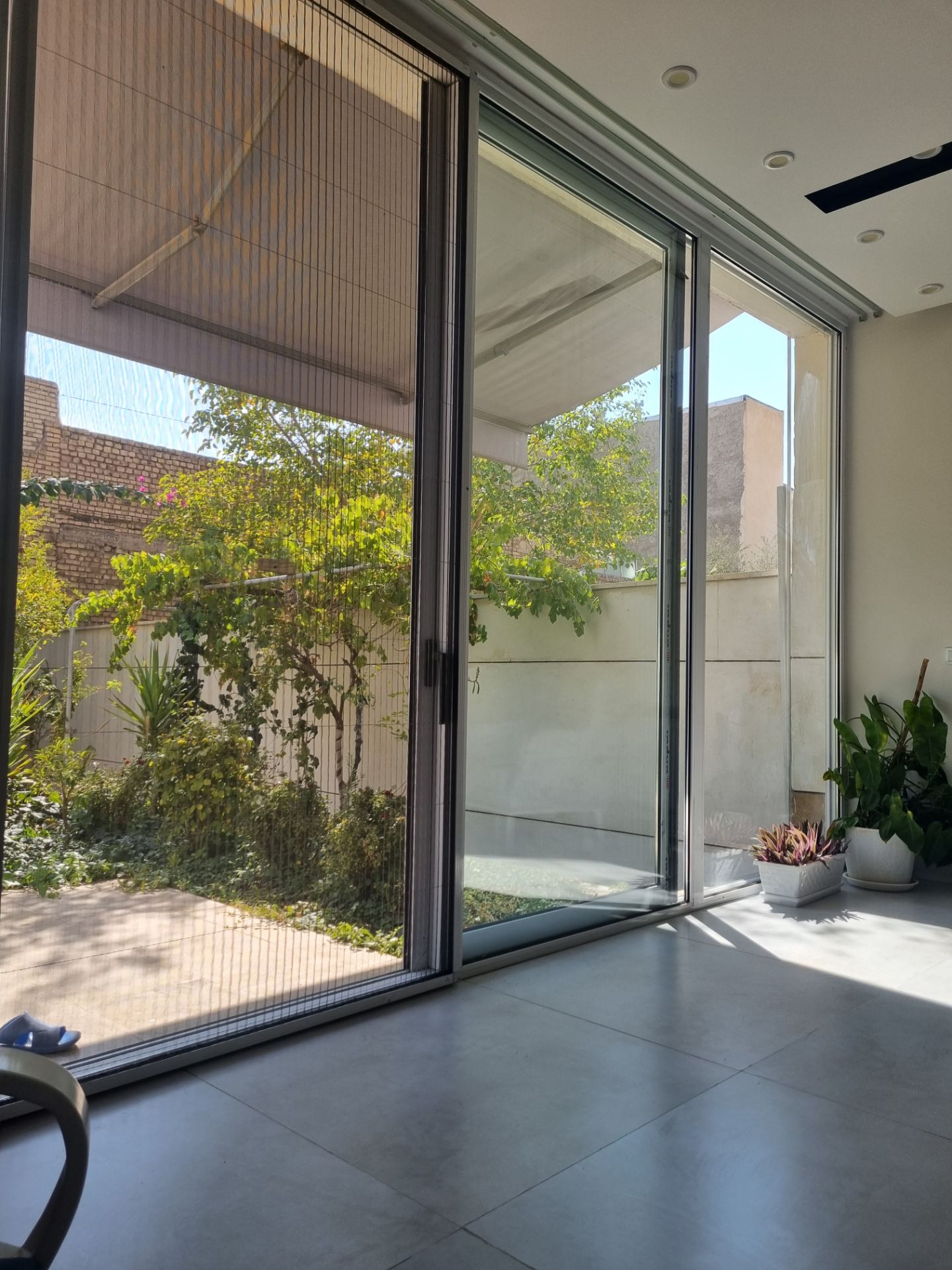
- Glass: Glass is the primary material used in both skylights and curtain walls due to its transparency, durability, and thermal performance. Different types of glass, such as double-glazed or low-emissivity (low-e) glass, can be utilized to enhance energy efficiency and insulation.
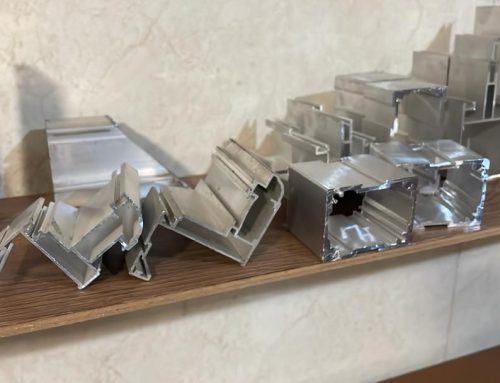
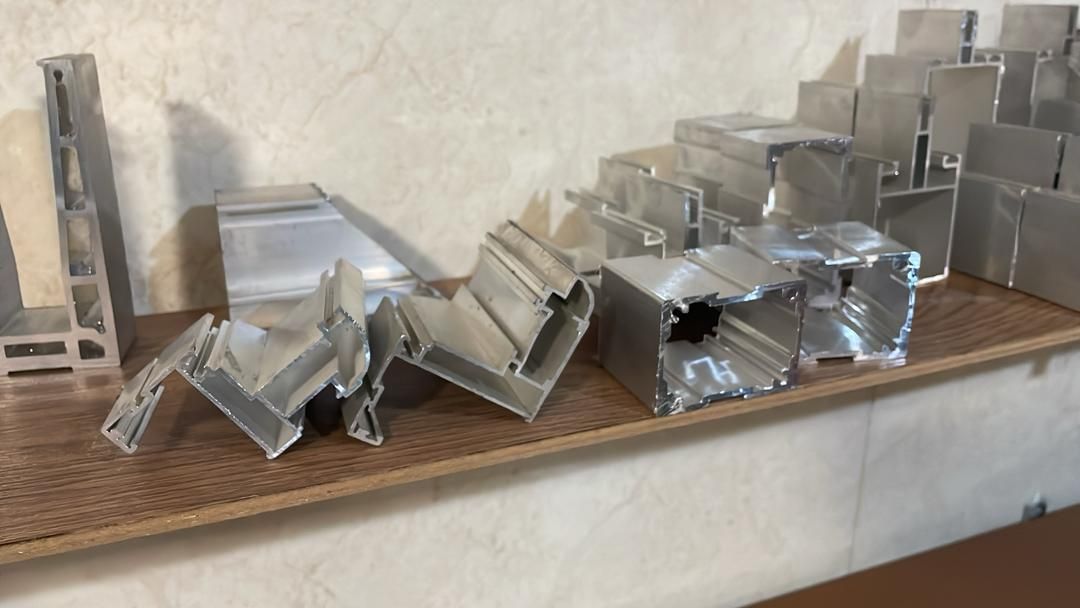
- Aluminum: Aluminum frames are commonly used to support glass panels in curtain walls due to their lightweight nature, strength, and resistance to corrosion. They also offer flexibility in design and can accommodate various shapes and configurations.
- Steel: In some cases, particularly for large-span structures or buildings with heavy wind loads, steel frames may be employed to provide additional structural support for skylights and curtain walls.
Installation Process: The installation of skylights and curtain walls requires meticulous planning and skilled labor to ensure proper functionality and longevity. The process typically involves the following steps:
- Site Preparation: Clearing the installation area and ensuring a level foundation are essential prerequisites for installing skylights and curtain walls.
- Frame Installation: Aluminum or steel frames are erected and anchored securely to the building structure, providing the framework for supporting the glass panels.
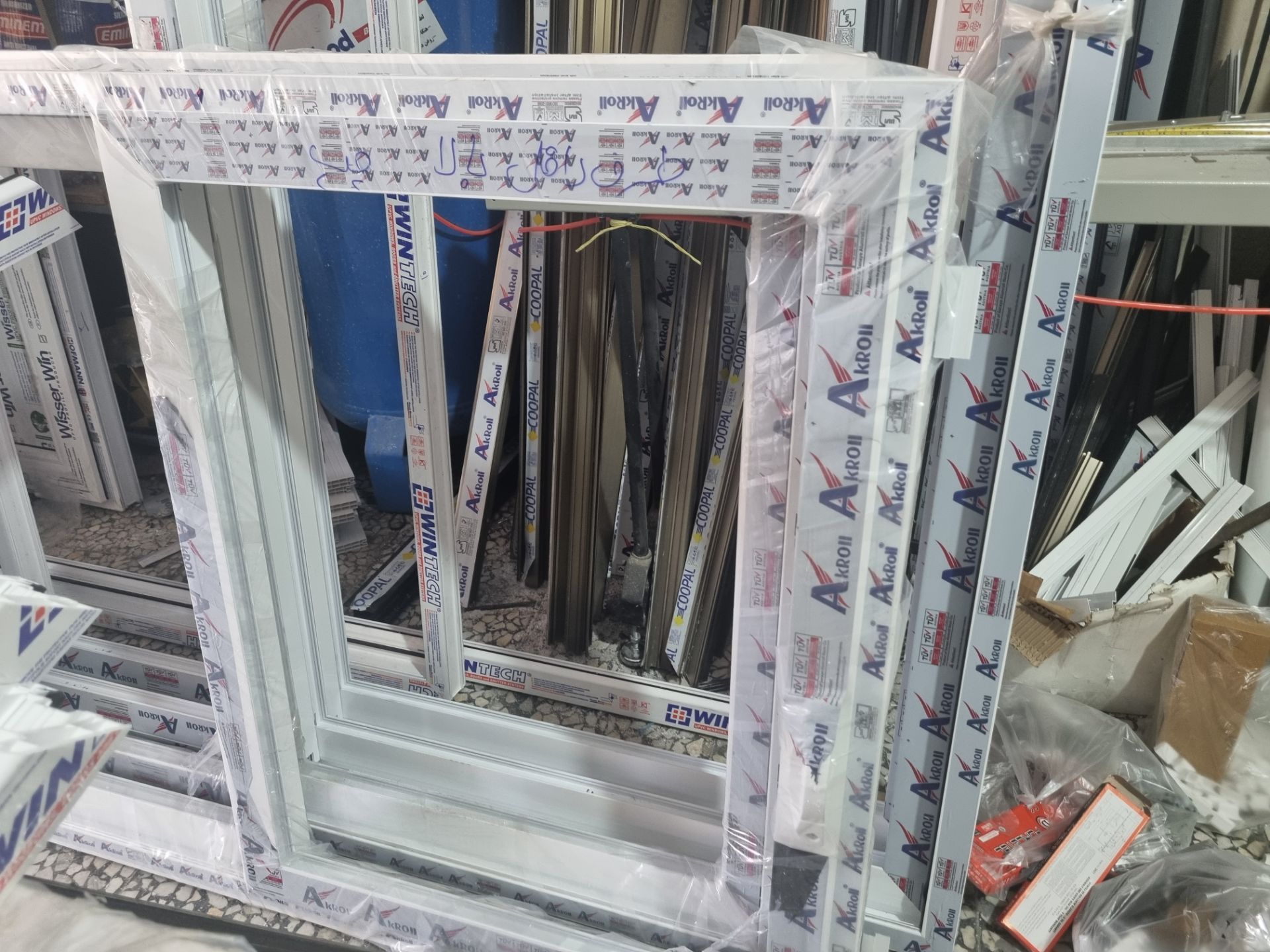
- Glazing Installation: Glass panels are carefully installed within the frames, ensuring proper alignment, sealing, and insulation to prevent air leakage and water infiltration.
- Finishing Touches: Trim pieces, weather seals, and drainage systems are installed to complete the assembly and enhance the aesthetic and functional integrity of the skylights and curtain walls.
Benefits: The implementation of skylights and curtain walls offers numerous benefits to building owners, occupants, and the environment:
- Natural Light: Skylights and curtain walls maximize the ingress of natural light, reducing the need for artificial lighting and creating a more inviting and productive indoor environment.
- Energy Efficiency: Properly designed and installed skylights and curtain walls can improve thermal insulation and reduce heating, cooling, and lighting costs, contributing to overall energy efficiency and sustainability.
- Aesthetic Appeal: Skylights and curtain walls add architectural interest and visual appeal to buildings, creating visually striking facades and interior spaces that enhance the overall user experience.
- Daylighting Benefits: Increased exposure to natural light has been shown to have positive effects on mood, productivity, and overall well-being, making skylights and curtain walls valuable components in occupant comfort and satisfaction.
- Environmental Impact: Incorporating skylights and curtain walls into building design can contribute to sustainable practices by reducing reliance on artificial lighting and heating, thereby lowering carbon emissions and mitigating the environmental impact of energy consumption.
- Increased Property Value: Buildings equipped with skylights and curtain walls often command higher property values due to their enhanced aesthetics, energy efficiency, and potential for increased occupant satisfaction.
- Flexibility and Customization: Skylights and curtain walls offer architects and designers a high degree of flexibility in terms of design, allowing for custom configurations, sizes, and finishes to meet the specific requirements and preferences of building owners and occupants.
- Regulatory Compliance: Compliance with building codes and regulations governing natural light ingress, energy efficiency, and structural integrity is essential when implementing skylights and curtain walls. Working with experienced professionals ensures adherence to relevant standards and guidelines.
- Maintenance and Durability: Regular maintenance is essential to ensure the longevity and optimal performance of skylights and curtain walls. This includes periodic cleaning of glass panels, inspection of seals and weather stripping, and addressing any signs of wear or damage promptly. Additionally, selecting high-quality materials and employing skilled installation practices contribute to the durability and reliability of these architectural features, reducing the need for frequent repairs or replacements.
- Technological Advancements: Advances in technology continue to drive innovation in skylights and curtain walls, offering new opportunities to improve performance, efficiency, and user experience. Integrated smart features, such as automated shading systems, daylight harvesting sensors, and dynamic glazing technologies, enhance the functionality and control of natural light ingress, further optimizing energy usage and occupant comfort.
- Adaptation to Evolving Needs: As building requirements and occupant preferences evolve over time, the adaptability of skylights and curtain walls becomes increasingly important. Modular designs and retrofit solutions allow for easy modifications and updates to accommodate changing aesthetic preferences, functional needs, or sustainability goals without the need for extensive renovations or disruptions to building operations.
- Collaboration and Expertise: Successful implementation of skylights and curtain walls often requires collaboration among architects, engineers, manufacturers, and contractors with expertise in glass and facade systems. Engaging professionals with specialized knowledge and experience in designing, fabricating, and installing these components ensures seamless integration with the overall building envelope and optimizes performance across various environmental conditions and usage scenarios.
- Cost Considerations: While skylights and curtain walls offer numerous benefits, it’s important to consider the associated costs. The initial investment in high-quality materials, skilled labor, and specialized equipment may be higher compared to traditional building components. However, the long-term savings achieved through energy efficiency, reduced maintenance, and increased property value can offset these upfront expenses. Additionally, exploring financing options, incentives, and rebates available for sustainable building practices can help mitigate costs and improve the return on investment for skylights and curtain walls.
- Risk Management: Effective risk management strategies are crucial throughout the implementation process to address potential challenges and ensure project success. This includes thorough risk assessment, contingency planning, and adherence to safety protocols to minimize the likelihood of accidents, delays, or cost overruns. Working with reputable suppliers, contractors, and consultants who prioritize quality, safety, and compliance can mitigate risks and instill confidence in the project’s outcomes.
- Post-Occupancy Evaluation: Once skylights and curtain walls are installed and the building is occupied, conducting post-occupancy evaluations can provide valuable insights into their performance and user satisfaction. Monitoring factors such as daylight levels, thermal comfort, indoor air quality, and energy consumption allows for ongoing optimization and refinement of design strategies and operational practices. Feedback from building occupants and facility managers can inform future design decisions and contribute to continuous improvement efforts aimed at enhancing occupant well-being and building performance over time.
- Regulatory Compliance: Compliance with local building codes, zoning regulations, and environmental standards is essential when implementing skylights and curtain walls. Engaging with regulatory authorities early in the design and planning stages helps ensure that the proposed solutions meet legal requirements and obtain necessary permits and approvals. Additionally, staying informed about emerging regulations and industry best practices enables proactive adaptation to evolving compliance requirements and sustainability goals, reducing the risk of non-compliance and associated penalties.
- Community Impact: The implementation of skylights and curtain walls can also have a broader impact on the surrounding community. Buildings designed with these features contribute to the overall aesthetic appeal and character of the neighborhood, enhancing the urban landscape and potentially attracting investment and development. Moreover, by incorporating sustainable design principles, such as maximizing natural light and reducing energy consumption, these buildings can serve as models of responsible architecture, inspiring others to adopt similar practices and fostering a culture of environmental stewardship within the community.
- Education and Awareness: Educating stakeholders, including building owners, occupants, and the general public, about the benefits and importance of skylights and curtain walls is key to promoting their widespread adoption. Outreach efforts, such as workshops, seminars, and informational campaigns, can raise awareness about the role of these architectural features in enhancing comfort, reducing environmental impact, and improving quality of life. By empowering individuals with knowledge and resources, communities can foster a collective commitment to sustainable building practices and create a more resilient and vibrant built environment for future generations.
- Adaptation to Urban Challenges: In densely populated urban areas, where space is limited and environmental pressures are heightened, skylights and curtain walls offer innovative solutions to urban challenges. By maximizing natural light and ventilation, these features help mitigate the urban heat island effect, improve air quality, and enhance the livability of urban environments. Additionally, their ability to create visually appealing and functional spaces within compact urban settings contributes to creating more sustainable and equitable cities that prioritize human well-being and environmental sustainability.
- Cultural and Historical Preservation: In historic buildings and culturally significant structures, the implementation of skylights and curtain walls presents unique opportunities to blend modern design with historical preservation. Careful integration of these features respects the architectural integrity and heritage value of the existing building while introducing contemporary elements that enhance functionality, sustainability, and user experience. Through thoughtful design and collaboration with preservation experts, architects can breathe new life into historic spaces, ensuring their relevance and vitality for future generations to appreciate and enjoy.
- Research and Innovation: Continued research and innovation in the field of skylights and curtain walls are essential for pushing the boundaries of design, performance, and sustainability. Advancements in materials science, construction techniques, and building technologies offer opportunities to enhance the efficiency, durability, and functionality of these architectural elements. Collaborative efforts between academia, industry, and government agencies drive progress in areas such as energy efficiency, occupant comfort, resilience to extreme weather events, and integration with smart building systems. By investing in research and development, stakeholders can unlock new possibilities for creating buildings that are not only aesthetically pleasing but also high-performing, adaptable, and responsive to evolving needs and challenges.
- Global Perspective: The implementation of skylights and curtain walls transcends geographical boundaries, with implications for buildings and communities around the world. While the specific design considerations and challenges may vary depending on factors such as climate, culture, and local regulations, the fundamental principles of sustainable design and human-centric architecture remain universal. Sharing knowledge, best practices, and lessons learned on a global scale fosters cross-cultural exchange and mutual learning, driving innovation and progress in the field of architectural design and urban development. By embracing diversity and embracing a global perspective, stakeholders can leverage the collective wisdom and experiences of diverse communities to create buildings and cities that reflect the values and aspirations of people from all walks of life.
- Long-Term Vision: As we look to the future, it is imperative to adopt a long-term perspective in the implementation of skylights and curtain walls. Buildings are not static entities but dynamic systems that evolve over time in response to changing environmental, social, and economic conditions. Designing with foresight and flexibility allows for buildings to adapt and thrive amidst uncertainty and complexity. Considering the lifecycle impacts of skylights and curtain walls, from initial construction to eventual decommissioning and disposal, promotes responsible stewardship of resources and minimizes environmental footprint. By prioritizing durability, adaptability, and longevity in design decisions, stakeholders can ensure that buildings equipped with skylights and curtain walls continue to serve the needs of current and future generations, contributing to a more sustainable and resilient built environment for all.
In summary, the implementation of skylights and curtain walls represents a multifaceted endeavor that encompasses technical, social, environmental, and cultural dimensions. By embracing innovation, collaboration, and a global perspective, stakeholders can unlock the transformative potential of these architectural elements to create buildings and communities that are not only beautiful and functional but also sustainable, resilient, and inclusive. Through ongoing dialogue, research, and collective action, we can chart a course towards a more sustainable and equitable future, where buildings enhance the quality of life for people everywhere while safeguarding the planet for generations to come, Detailed information on the implementation of skylight and curtain wall , Detailed information on the implementation of skylight and curtain wall.

Leave A Comment