
Detailed information on the implementation of skylight and curtain wall in Taiwan
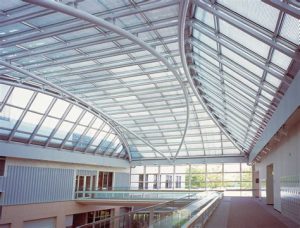
Detailed information on the implementation of skylight and curtain wall in Taiwan ,Taiwan, renowned for its vibrant culture, stunning landscapes, and innovative architecture, stands as a beacon of modernity in East Asia. Among the many architectural marvels that adorn its skyline, the implementation of skylights and curtain walls has become increasingly prevalent, showcasing the fusion of aesthetics and functionality in contemporary Taiwanese design. In this article, we delve into the detailed information surrounding the incorporation of skylights and curtain walls in Taiwan’s architectural landscape.
Skylights: Enlightening Architecture
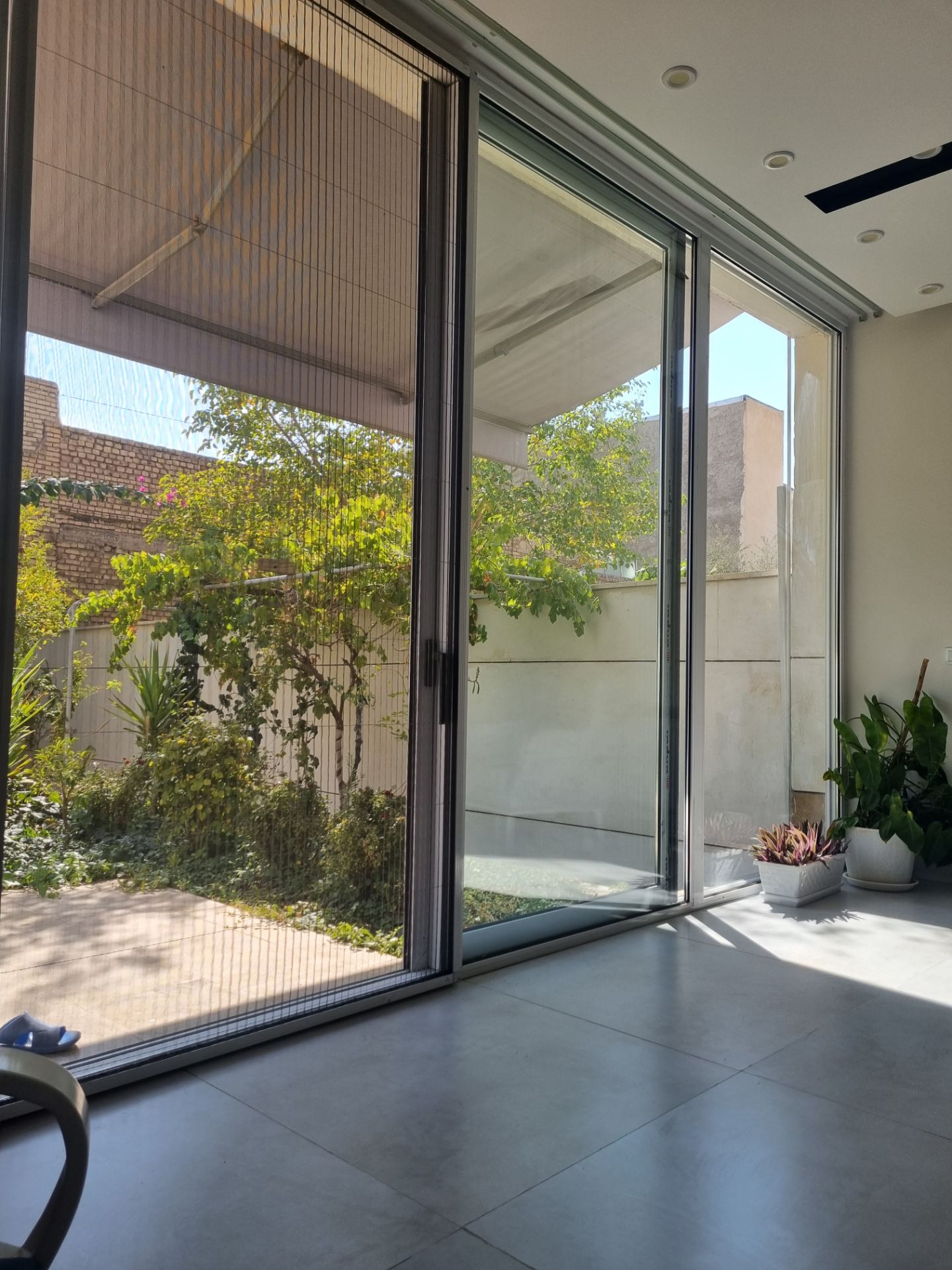
Skylights, often referred to as “the eyes of the building,” serve as essential elements in architectural design, allowing natural light to infiltrate interior spaces and creating a sense of openness and connectivity with the outdoors. In Taiwan, where natural light is abundant, the integration of skylights has become a defining feature in both residential and commercial constructions.
Design Considerations:
- Climate Sensitivity: Taiwan’s subtropical climate necessitates careful consideration of heat gain and solar radiation. Architects employ various strategies such as selective glazing and shading devices to mitigate heat buildup while maximizing daylight penetration.
- Aesthetic Harmony: Skylights are seamlessly integrated into the overall architectural design, ensuring coherence with the building’s aesthetic language. From minimalist glass structures to intricately designed roof openings, skylights in Taiwan contribute to the visual appeal of structures while enhancing occupant comfort.
- Structural Integrity: Given Taiwan’s susceptibility to typhoons and seismic activity, skylights are engineered to withstand extreme weather conditions. Advanced structural analysis and high-performance materials ensure the durability and safety of skylight installations.
Curtain Walls: Transparency Redefined
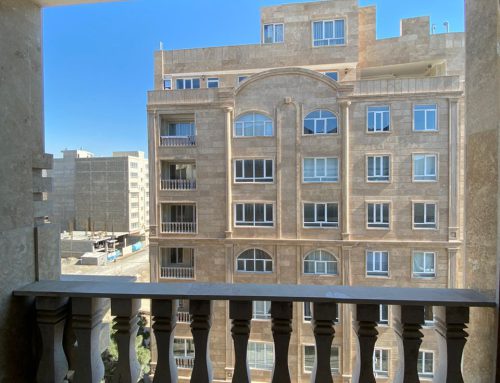
Curtain walls, characterized by their transparent façades, offer architects unparalleled flexibility in design while providing efficient thermal and acoustic insulation. In Taiwan, the implementation of curtain walls has revolutionized building exteriors, allowing for the creation of iconic landmarks that redefine the urban skyline.
Key Features:
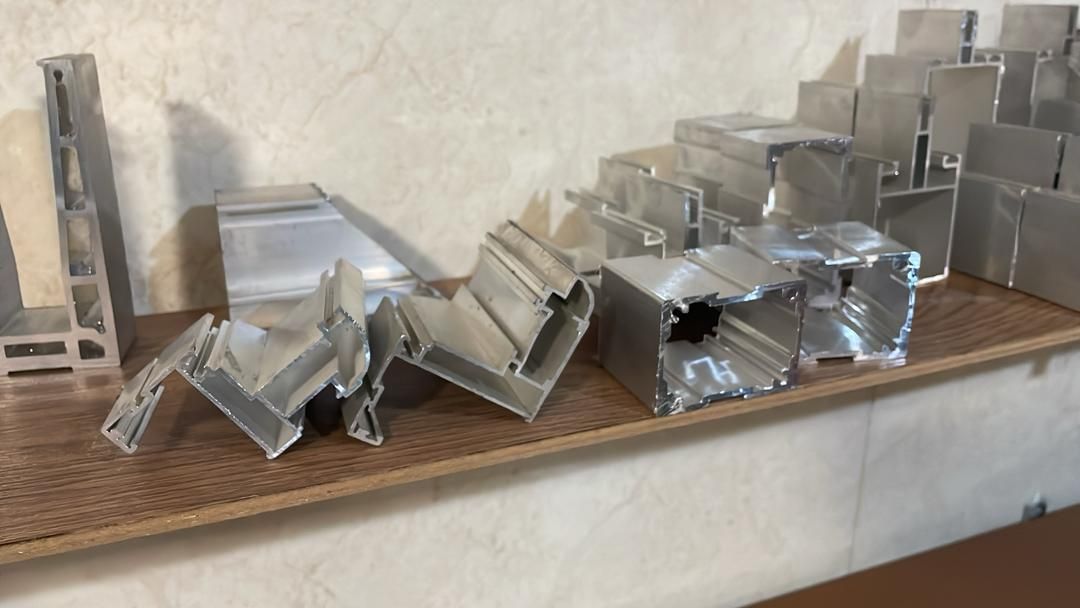
- Energy Efficiency: With a growing emphasis on sustainability, curtain walls in Taiwan are engineered to enhance energy efficiency through the use of insulated glazing units, thermally broken frames, and efficient sealing systems. This not only reduces energy consumption but also contributes to the overall environmental performance of buildings.
- Customization: Curtain walls offer architects limitless design possibilities, allowing for customization in terms of shape, color, and texture. In Taiwan, this versatility is embraced, with curtain walls often serving as canvases for artistic expression, showcasing intricate patterns and motifs inspired by Taiwanese culture and heritage.
- Seismic Resistance: In a region prone to seismic activity, ensuring the structural integrity of curtain wall systems is paramount. Through rigorous testing and innovative engineering techniques, Taiwanese architects and engineers have developed curtain wall solutions that meet stringent safety standards without compromising on design aesthetics.
Case Studies:
- Taipei 101: One of Taiwan’s most iconic landmarks, Taipei 101, features a distinctive curtain wall system comprised of energy-efficient glass panels and aluminum framing. Its innovative design not only enhances natural lighting but also minimizes solar heat gain, exemplifying sustainable architecture on a monumental scale.
- Taichung Metropolitan Opera House: Designed by renowned architect Toyo Ito, the Taichung Metropolitan Opera House boasts a striking façade composed of undulating glass panels. The curtain wall’s fluid form reflects the surrounding landscape, blurring the boundaries between interior and exterior spaces, and encapsulating the essence of contemporary Taiwanese design.
Challenges and Innovations:
While the implementation of skylights and curtain walls in Taiwan has led to remarkable architectural achievements, it has also presented unique challenges and opportunities for innovation. Chief among these challenges is the need to balance aesthetic aspirations with practical considerations such as energy performance, safety, and environmental impact.
In response, Taiwanese architects and engineers have continually pushed the boundaries of design and construction, harnessing cutting-edge technologies and materials to address these challenges. Advanced computational tools enable the precise modeling and analysis of skylight and curtain wall systems, allowing for optimization in terms of daylighting performance, structural integrity, and thermal efficiency.
Moreover, ongoing research and development efforts have led to the emergence of novel solutions, including dynamic glazing technologies that adapt to changing environmental conditions, self-cleaning coatings that reduce maintenance requirements, and integrated photovoltaic panels that harness solar energy while maintaining transparency.
Future Trends:
Looking ahead, several trends are poised to shape the future of skylights and curtain walls in Taiwan’s architectural landscape:
- Biophilic Design Integration: With growing awareness of the importance of nature in enhancing well-being, architects are increasingly incorporating biophilic design principles into skylight and curtain wall installations. This entails creating connections to nature through elements such as vegetation, natural materials, and daylighting strategies that mimic outdoor environments.
- Smart Building Integration: The rise of smart building technologies presents opportunities to enhance the functionality and performance of skylights and curtain walls. Integrated sensors, automated shading systems, and dynamic lighting controls enable real-time adjustments to optimize energy usage, occupant comfort, and indoor environmental quality.
- Resilience and Adaptability: As climate change poses increasingly unpredictable challenges, there is a growing emphasis on resilience and adaptability in architectural design. Future skylight and curtain wall systems in Taiwan will be engineered to withstand extreme weather events, mitigate heat island effects, and facilitate adaptive reuse and repurposing of buildings.
Regulatory Framework and Sustainability Initiatives:
In Taiwan, the implementation of skylights and curtain walls is governed by a comprehensive regulatory framework aimed at ensuring safety, quality, and environmental responsibility. Building codes and standards set stringent requirements for structural integrity, fire safety, and energy efficiency, guiding architects and developers in the design and construction process.
Furthermore, sustainability initiatives championed by both the public and private sectors have catalyzed the adoption of green building practices, including the use of environmentally friendly materials, energy-efficient systems, and renewable energy technologies. Green building certification programs such as Taiwan Green Building Label (TGBL) and Leadership in Energy and Environmental Design (LEED) incentivize the integration of skylights and curtain walls as part of holistic sustainability strategies, driving progress towards a more resilient and low-carbon built environment.
Collaborative Partnerships and Knowledge Exchange:
The implementation of skylights and curtain walls in Taiwan is fueled by collaborative partnerships between architects, engineers, manufacturers, and academia. Knowledge exchange platforms, industry associations, and professional networks facilitate the sharing of best practices, technological advancements, and research findings, fostering a culture of continuous learning and innovation within the architectural community.
Moreover, international collaborations and cross-disciplinary exchanges further enrich Taiwan’s architectural landscape, bringing together diverse perspectives and expertise from around the globe. Through participation in conferences, workshops, and design competitions, Taiwanese architects and designers engage with international trends and ideas, infusing their projects with fresh insights and creative inspiration.
Cultural Heritage Preservation and Innovation:
In preserving Taiwan’s rich cultural heritage, the integration of skylights and curtain walls presents an opportunity to reinterpret traditional architectural elements in a contemporary context. By blending modern design principles with vernacular aesthetics, architects pay homage to Taiwan’s cultural identity while embracing the demands of 21st-century living.
In historic preservation projects, skylights and curtain walls are sensitively integrated to breathe new life into old structures, revitalizing heritage buildings for adaptive reuse and cultural regeneration. This harmonious fusion of past and present exemplifies Taiwan’s commitment to honoring its architectural legacy while embracing the imperatives of sustainable development and urban renewal.
Conclusion:
In conclusion, the implementation of skylights and curtain walls in Taiwan reflects a dynamic synthesis of innovation, sustainability, and cultural heritage. As Taiwan continues to assert itself as a global leader in architecture and design, these elements will continue to evolve, responding to shifting societal needs, technological advancements, and environmental imperatives.
By harnessing the power of design excellence, technological innovation, and collaborative engagement, Taiwan’s architects and designers are shaping a built environment that is both visionary and responsible, elevating the quality of life for its inhabitants while leaving a positive legacy for future generations. As the journey of skylights and curtain walls unfolds in Taiwan, it serves as a testament to the transformative potential of architecture to inspire, enrich, and endure in the face of change, Detailed information on the implementation of skylight and curtain wall in Taiwan.

Leave A Comment