
Curtain wall profile price
Curtain wall systems are a popular architectural solution that involves the use of an outer covering or facade, typically made of glass and aluminum, to create a barrier between the interior and exterior of a building. This type of system is particularly well-suited to high-rise buildings, where the use of traditional windows is often impractical due to the structural limitations of the building. However, the cost of a curtain wall system can be a significant factor in the decision to use this type of system, with the cost of the aluminum profile being a key consideration. In this article, we will take a closer look at curtain wall profile prices and the factors that can influence the cost of a curtain wall system.
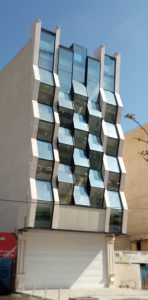
What is a Curtain Wall System?
Before we dive into the specifics of curtain wall profile prices, it is helpful to have a basic understanding of what a curtain wall system is and how it works. A curtain wall system is a non-structural exterior cladding system that is typically used in high-rise buildings. The system is composed of an outer covering, or facade, that is attached to the building’s structural frame. The facade is typically made up of glass panels that are held in place by an aluminum frame, although other materials such as stone, metal, and even wood can be used.
The primary purpose of a curtain wall system is to provide a barrier between the interior and exterior of the building, while also allowing natural light to enter the building. This type of system also helps to regulate temperature and humidity within the building, and can provide insulation to reduce energy costs.
Factors That Influence Curtain Wall Profile Prices
The cost of a curtain wall system can vary depending on a number of factors, including the size of the building, the location of the building, the complexity of the design, and the materials used. One of the biggest factors in determining the cost of a curtain wall system is the cost of the aluminum profile that is used to create the frame for the glass panels.
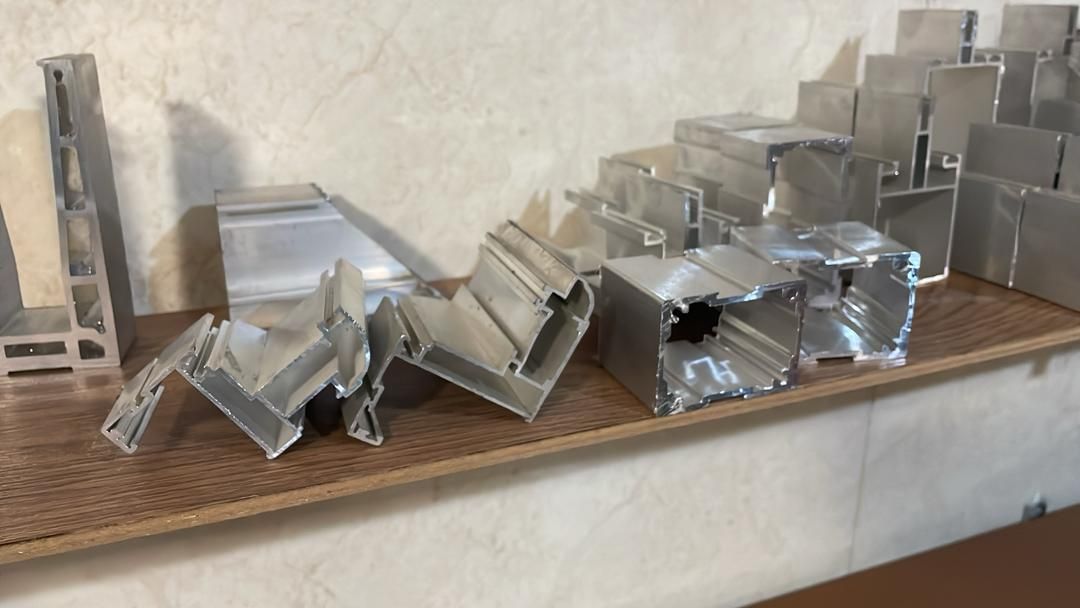
The price of aluminum profiles for curtain walls can vary depending on a number of factors, including the size and shape of the profile, the thickness of the aluminum, and the finish of the profile. The type of glass used in the panels can also have an impact on the price, as can the installation method used.
Size and Shape of the Profile
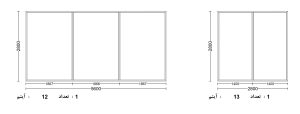
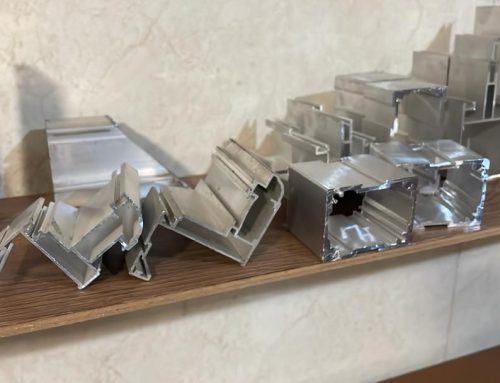
One of the primary factors that can influence the price of a curtain wall profile is the size and shape of the profile itself. The larger and more complex the profile, the more expensive it is likely to be. This is because larger profiles require more material to produce, which can increase the cost of production. Additionally, the more complex the profile, the more difficult it may be to manufacture, which can also increase the cost.
Thickness of the Aluminum
The thickness of the aluminum used to create the profile can also impact the price. Thicker aluminum is typically more expensive than thinner aluminum, as it requires more material to produce. However, thicker aluminum profiles may be necessary in certain applications, particularly in buildings that are located in areas with high wind loads or other environmental factors that can put stress on the system.
Finish of the Profile
The finish of the profile can also impact the price of a curtain wall system. Anodized finishes, which involve an electrochemical process that creates a protective layer on the surface of the aluminum, are typically more expensive than painted finishes. However, anodized finishes are also more durable and resistant to corrosion, which can make them a better long-term investment.
Type of Glass Used
The type of glass used in the panels can also impact the price of a curtain wall system. Standard clear glass is typically the most affordable option, while low-e glass, which is coated with a special material to reflect heat and UV rays, can be more expensive. Other factors, such as the size and thickness of the glass panels, can also impact the price. Thicker glass, for example, can be more expensive due to the additional material required to produce it.
Installation Method
Finally, the installation method used can also impact the price of a curtain wall system. Unitized systems, which involve pre-assembled panels that are installed on the building’s structural frame, can be more expensive than stick-built systems, which involve assembling the curtain wall on-site. However, unitized systems may be faster and easier to install, which can offset the additional cost.
Understanding the factors that can impact the price of a curtain wall system can help building owners and architects make informed decisions about the design and construction of their building. By carefully considering the size and shape of the profile, the thickness of the aluminum, the finish of the profile, the type of glass used, and the installation method, it is possible to create a curtain wall system that is both functional and affordable.
Curtain Wall Profile Price Examples
To provide some context, we will now take a look at some examples of curtain wall profile prices. It is important to note that these prices are intended to provide a general idea of what to expect, and that actual prices will vary depending on a number of factors.
One common curtain wall profile is the 50mm x 50mm square profile. This profile is typically used in low- to mid-rise buildings and is available in a range of finishes, including anodized, powder-coated, and painted. Prices for this type of profile typically range from $10 to $20 per linear foot.
For larger and more complex profiles, prices can be significantly higher. For example, a custom 300mm x 300mm square profile that is used in a high-rise building may cost upwards of $100 per linear foot. This is due to the additional material and manufacturing costs associated with larger profiles.
The type of glass used in the panels can also impact the price of a curtain wall system. Standard clear glass typically costs between $5 and $10 per square foot, while low-e glass can cost between $10 and $20 per square foot. Thicker glass can be significantly more expensive, with prices ranging from $20 to $50 per square foot or more.
Conclusion
Curtain wall systems are a popular architectural solution for high-rise buildings, but the cost of these systems can be a significant factor in the decision to use them. The cost of the aluminum profile that is used to create the frame for the glass panels is a key consideration when determining the overall cost of a curtain wall system. Factors that can impact the price of the profile include the size and shape of the profile, the thickness of the aluminum, the finish of the profile, the type of glass used, and the installation method. By carefully considering these factors, building owners and architects can create a curtain wall system that is both functional and affordable.

Leave A Comment