
Curtain Wall Glass Façade
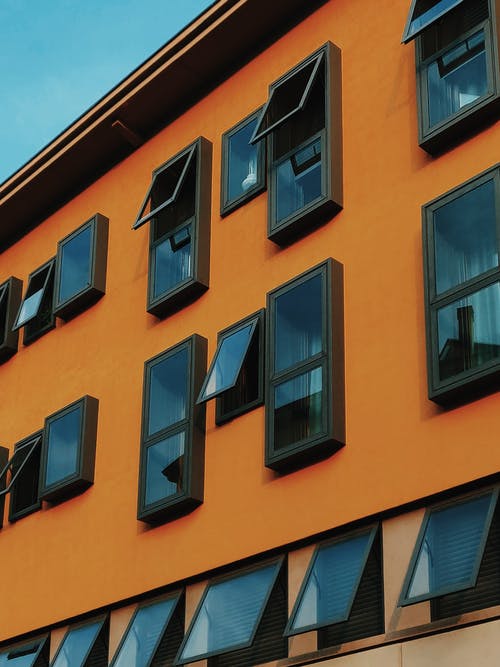
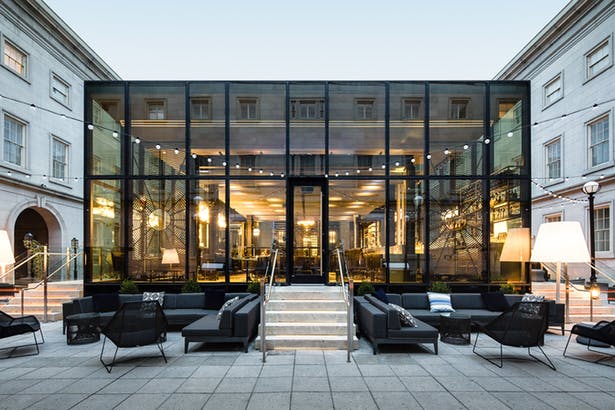
In the realm of modern architecture, curtain wall glass façades have emerged as a captivating and innovative design element. These sleek and transparent structures have become synonymous with contemporary urban landscapes, gracing the facades of commercial buildings, office complexes, and even residential skyscrapers. By blending aesthetics with functionality, curtain wall glass façades offer a myriad of benefits, transforming the way we perceive and interact with architectural design.
Unveiling the Concept
Curtain wall systems represent a non-structural outer covering installed on the exterior of a building. Composed primarily of glass, these systems are designed to resist air and water infiltration while supporting their own weight and external forces such as wind loads. Unlike traditional walls, curtain walls are not intended to bear the building’s weight, allowing for more design freedom and flexibility.
The Advantages
- Visual Appeal: One of the most significant advantages of curtain wall glass façades lies in their aesthetic appeal. These transparent structures infuse buildings with an air of elegance and modernity, creating an immediate visual impact. By flooding interior spaces with natural light, they create an open and inviting ambiance, enhancing the overall well-being of occupants.
- Energy Efficiency: Curtain wall glass systems are constructed with energy efficiency in mind. High-performance glazing options, such as double or triple-pane glass, low-emissivity coatings, and insulating materials, ensure optimal thermal insulation and reduce heat loss. This reduces the reliance on artificial lighting and heating, resulting in lower energy consumption and decreased environmental impact.
- Daylighting and Views: By capitalizing on natural light, curtain wall glass façades allow for ample daylight penetration into the building’s interior. This not only reduces the need for artificial lighting but also offers occupants a connection to the outside world, enhancing their overall productivity and well-being. Furthermore, these façades provide panoramic views of the surrounding environment, connecting people with their urban or natural surroundings.
- Flexibility and Customization: Curtain wall systems offer immense design flexibility, enabling architects to create unique and striking building exteriors. The use of various glass types, finishes, and sizes, coupled with the ability to incorporate other materials such as metal panels or stone, allows for endless possibilities in terms of appearance and style. This adaptability ensures that curtain wall glass façades can seamlessly integrate with diverse architectural designs and meet specific project requirements.
- Structural Integrity and Safety: While curtain wall systems are non-structural, they are engineered to withstand external forces and provide structural stability to the building. Rigorous testing and adherence to safety codes ensure that these façades are capable of withstanding wind loads, seismic activity, and even thermal expansion and contraction. Furthermore, in the event of glass breakage, modern curtain wall systems are designed with safety in mind, incorporating laminated glass or tempered glass that reduces the risk of injury.
Exploring the Future Possibilities
As technology advances and architectural innovation continues to evolve, the potential of curtain wall glass façades expands even further. Here are some future possibilities that may shape the development of these structures:
- Sustainable Solutions: With an increasing focus on sustainability, future curtain wall systems may incorporate advanced solar technologies such as photovoltaic cells or solar thermal collectors. These innovations could allow the façade to harness renewable energy, contributing to the building’s power needs and reducing its carbon footprint.
- Smart Integration: As buildings become smarter and more interconnected, curtain wall glass systems can play a pivotal role in integrating smart technologies. Imagine a façade embedded with sensors that adjust lighting levels and temperature based on occupancy or external weather conditions. Such smart integration can optimize energy usage and create a comfortable and efficient indoor environment.
- Dynamic Transparency: Future advancements may enable curtain wall glass façades to dynamically adjust their transparency levels. This feature could be achieved through the use of smart glass, which can switch between opaque and transparent states. This capability would provide enhanced privacy when needed, while still maintaining a connection with the outside environment.
- Biophilic Design: The incorporation of nature into the built environment has gained considerable attention in recent years. Curtain wall glass systems can embrace biophilic design principles by integrating living green walls, vertical gardens, or even miniature ecosystems within the façade. This biophilic approach would enhance the well-being of occupants by fostering a connection with nature and promoting a healthier indoor environment.
- Integration of Art and Culture: Curtain wall glass façades offer a canvas for artistic expression. Architects and designers can collaborate with artists to create visually stunning installations or integrate cultural motifs and patterns into the façade design. This fusion of art and architecture would not only enhance the aesthetic appeal of the building but also contribute to the cultural identity of the surrounding area.
Conclusion
Curtain wall glass façades have revolutionized the face of modern architecture, offering a striking blend of aesthetics, functionality, and sustainability. These transparent structures not only enhance the visual appeal of buildings but also improve energy efficiency, provide abundant natural light, and promote occupant well-being. With their flexibility, customizability, and focus on safety, curtain wall glass façades continue to reshape skylines and exemplify the cutting edge of architectural design. As we embrace the allure of these captivating structures, we witness a harmonious union between the built environment and the natural world.

Leave A Comment