
curtain wall design calculations aluminium system
Introduction
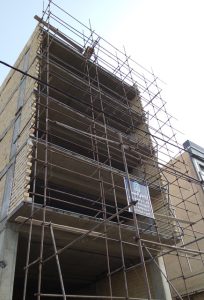
Curtain walls are an integral part of modern architectural design, providing aesthetically pleasing exteriors and functional building envelopes. Among the various materials used for curtain walls, aluminum systems have gained popularity due to their lightweight, durability, and design flexibility. This article aims to delve into the intricacies of curtain wall design calculations, with a focus on aluminum systems, shedding light on their structural capabilities and considerations.
Understanding Curtain Wall Design Calculations
Curtain wall design calculations involve a comprehensive analysis of various factors to ensure the structural integrity and performance of the system. These calculations primarily revolve around determining the loads acting on the curtain wall and evaluating the strength and stability of the aluminum components.
- Dead Loads: Dead loads consist of the weight of the curtain wall system itself, including the aluminum framing, glass panels, insulation, and any additional components. Accurate calculations of the dead load are crucial to prevent excessive deflection and stress on the supporting structure.
- Wind Loads: Wind loads are dynamic forces exerted on the curtain wall due to wind pressure. These calculations involve considering factors such as wind speed, building height, exposure category, and the shape of the structure. Aluminum systems are known for their high strength-to-weight ratio, making them ideal for resisting wind loads while maintaining the desired transparency.
- Thermal Loads: Thermal calculations account for the expansion and contraction of materials due to temperature changes. Aluminum possesses excellent thermal conductivity, which allows for efficient heat transfer across the curtain wall system. Calculations consider factors such as the coefficient of thermal expansion, temperature differentials, and the effect of these changes on the overall stability of the system.
- Structural Integrity: The strength and stability of the aluminum framing play a vital role in curtain wall design. Engineers analyze the properties of the aluminum profiles, including the material grade, cross-sectional dimensions, moment of inertia, and section modulus. These calculations ensure that the framing can withstand the imposed loads without experiencing excessive deflection or failure.
Considerations for Aluminum Curtain Wall Systems
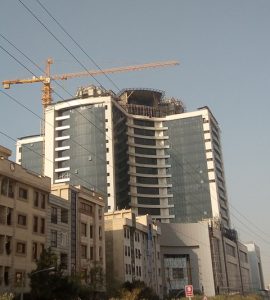
Designing an aluminum curtain wall system involves a range of considerations to optimize performance, functionality, and aesthetics. Here are a few key aspects to keep in mind:
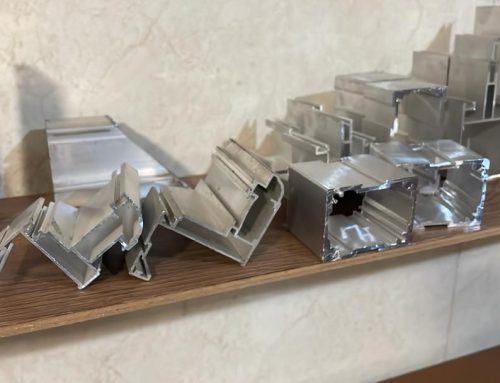
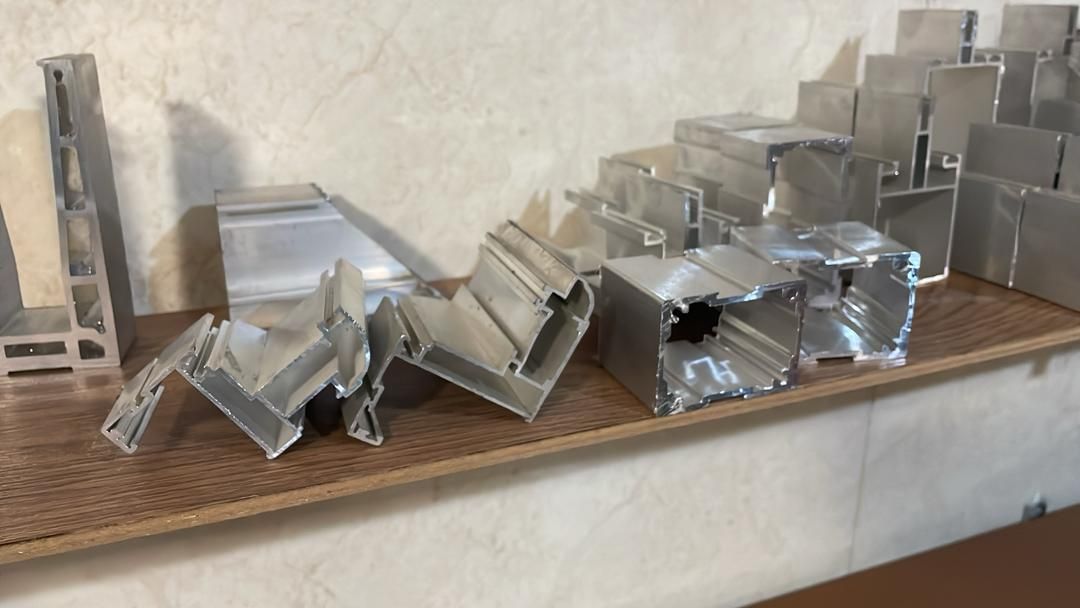
- Profile Selection: The choice of aluminum profile is critical as it determines the overall strength, thermal performance, and visual appeal of the curtain wall system. Different profiles offer various structural capabilities, such as standard stick systems, unitized systems, or structurally glazed systems. Architects and engineers collaborate to select the most suitable profile based on the project requirements.
- Thermal Breaks: Aluminum is a highly conductive material, and without proper insulation, it can lead to significant heat loss or gain. Integrating thermal breaks within the curtain wall design helps minimize thermal bridging and improve the energy efficiency of the building envelope.
- Water and Air Infiltration: Curtain wall systems must be designed to effectively manage water and air infiltration. Proper gasketing, sealing, and drainage systems are crucial to prevent moisture ingress, condensation, and air leakage, ensuring the longevity and performance of the aluminum system.
- Acoustic Performance: Depending on the location and function of the building, acoustic considerations should be addressed. Sound insulation properties can be enhanced through the selection of appropriate glass types, seals, and the overall design of the curtain wall system.
wall system. As advancements continue in the field of curtain wall technology, aluminum systems will undoubtedly play a crucial role in shaping the future of architectural design.
In recent years, aluminum curtain wall systems have seen significant advancements in terms of design, fabrication, and installation techniques. Manufacturers now offer a wide range of profiles, finishes, and customization options, allowing architects to unleash their creativity and achieve their desired aesthetic vision. The lightweight nature of aluminum also facilitates easier transportation, handling, and installation compared to other materials, making it a preferred choice for many construction projects.
When it comes to sustainability, aluminum curtain wall systems have several advantages. Aluminum is a highly recyclable material, with a significant portion of its production coming from recycled sources. Additionally, the longevity and durability of aluminum systems contribute to the overall sustainability of a building, as they require minimal maintenance and can withstand various weather conditions.

To ensure the successful implementation of an aluminum curtain wall system, collaboration between architects, engineers, and manufacturers is crucial. Architects provide the design intent and aesthetic requirements, while engineers perform the necessary calculations and structural analysis to ensure the system meets all performance criteria. Manufacturers bring their expertise in fabrication and installation techniques, ensuring the system is manufactured to the required specifications and installed correctly.
Conclusion
Aluminum curtain wall systems offer architects and engineers a versatile and durable solution for creating visually appealing building envelopes. By conducting meticulous design calculations, considering factors such as dead loads, wind loads, thermal loads, and structural integrity, professionals can ensure that the aluminum system meets the required performance standards. Additionally, incorporating design considerations related to profile selection, thermal breaks, water and air infiltration, and acoustic performance enhances the overall functionality and efficiency of the curtainwall system. As advancements continue in the field of curtain wall technology, aluminum systems will undoubtedly play a crucial role in shaping the future of architectural design.

Leave A Comment