
Curtain wall cost per square foot

A curtain wall is a non-structural outer covering of a building that provides a protective barrier against the elements while allowing natural light to enter. It is typically composed of glass and metal or concrete panels that are attached to the building’s frame. Curtain walls are becoming increasingly popular in modern building design due to their aesthetic appeal and energy efficiency. However, one of the most significant considerations when installing a curtain wall is the cost per square foot.
The cost of a curtain wall per square foot can vary significantly depending on several factors. These include the type of material used, the size and shape of the building, the complexity of the design, and the location of the project. Let’s take a closer look at each of these factors and how they impact the cost of a curtain wall.
Materials
The choice of materials used in a curtain wall system is a significant factor in determining the cost per square foot. Curtain walls can be constructed from a variety of materials, including glass, aluminum, steel, and concrete.
Glass curtain walls are the most popular option, thanks to their aesthetic appeal and energy efficiency. They are available in several thicknesses and can be tinted or coated to increase their solar heat gain coefficient (SHGC) or reduce glare. However, glass curtain walls tend to be more expensive than other materials due to their weight and the need for specialized installation techniques.
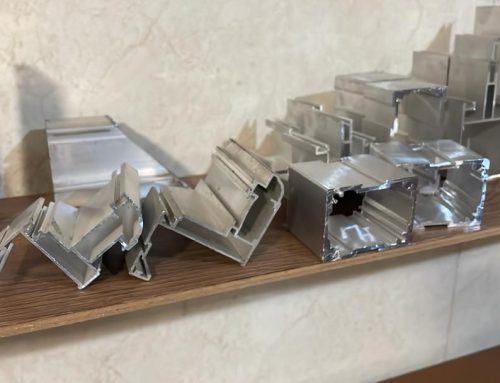
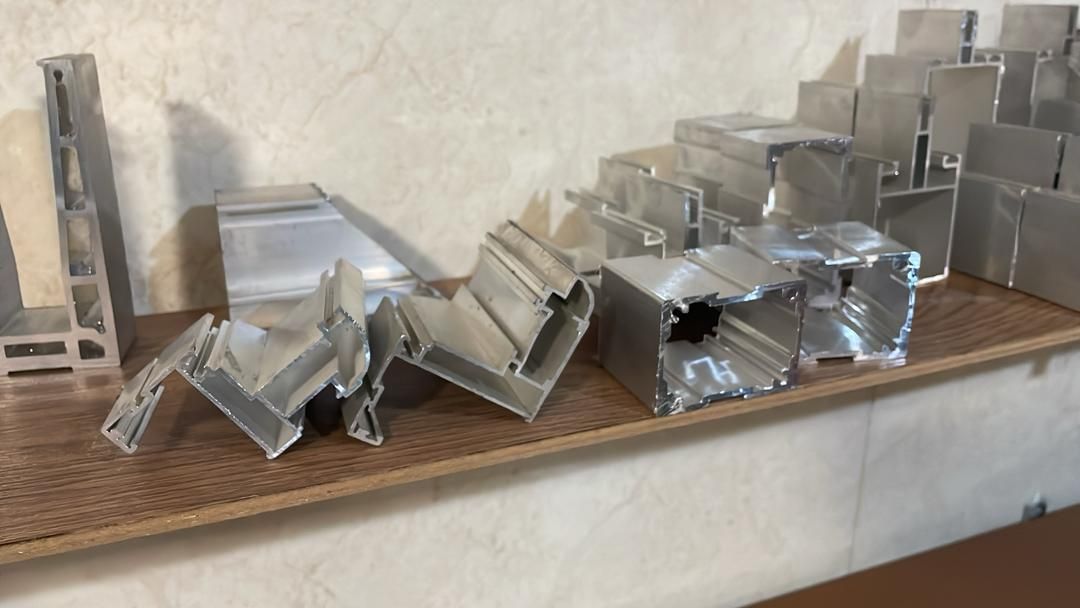
Aluminum is the most common metal used in curtain wall systems due to its lightweight and durability. It is also a popular choice because it can be easily extruded into complex shapes, making it a versatile material for architects. However, aluminum curtain walls can also be expensive, depending on the size and complexity of the design.
Steel is a robust and durable material that is often used in curtain walls for high-rise buildings. Steel curtain walls are generally more expensive than aluminum, but they provide greater strength and security.
Concrete curtain walls are another option for high-rise buildings. They are typically precast off-site and transported to the building for installation. Concrete curtain walls can be cost-effective for larger buildings, but they require careful planning and coordination with the building’s structure.
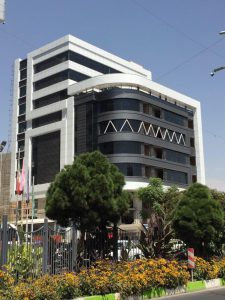
Size and Shape of the Building
The size and shape of a building are also significant factors in determining the cost of a curtain wall per square foot. Larger buildings require more materials and labor, which can increase the overall cost of the curtain wall system. Similarly, buildings with complex shapes and angles will require more customization and expertise, resulting in higher costs.
The location of the project can also impact the cost of a curtain wall.
Projects in urban areas with limited space and difficult access may require specialized equipment and installation techniques,
which can increase the cost per square foot.
Design Complexity
The complexity of the curtain wall design is another important factor in determining the cost per square foot. More complex designs require more customization and expertise, resulting in higher costs.
Designs that incorporate unique shapes and angles, intricate detailing,
or customized glass and metal components will be more expensive than standard designs.
In addition to the initial cost of the curtain wall system,
it is also essential to consider ongoing maintenance and repair costs.
Curtain walls require regular cleaning and maintenance to ensure they continue to function properly and maintain their appearance. Failure to maintain the curtain wall system can result in costly repairs or replacement.
Other Factors to Consider
In addition to the factors mentioned above,
several other factors can impact the cost of a curtain wall per square foot.
These include:Building code requirements:
Curtain wall systems must comply with local building codes, which can impact the cost of materials and installation.
Labor costs: Labor costs can vary depending on the location of the project and the expertise required for installation.
Project timeline: Rushed timelines can result in additional costs for overtime and expedited shipping of materials.
Warranty and insurance: It is essential to consider the warranty and insurance
When considering curtain wall
When considering the cost of a curtain wall per square foot,
it is crucial to weigh the benefits and drawbacks of different materials and designs.
While a more expensive material or complex design may result in a higher upfront cost,
it can also provide long-term benefits, such as energy efficiency, durability, and aesthetic appeal.
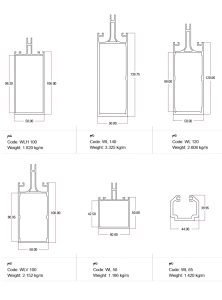
A well-designed curtain wall system
One of the benefits of a curtain wall system is its energy efficiency.
A well-designed curtain wall system can help reduce heating and cooling costs by minimizing heat transfer between the interior and exterior of the building.
This can result in significant long-term savings on energy costs. Additionally, the use of energy-efficient glass coatings and shading devices can further improve the system’s energy performance.
Another consideration when installing a curtain wall system is its impact on the building’s overall appearance. A well-designed curtain wall can enhance the building’s aesthetic appeal and increase its value.
It can also improve the building’s indoor environment by allowing natural light to enter,
which can improve occupant productivity and well-being.
In terms of maintenance and repair costs,
regular cleaning and inspection can help prolong the life of the curtain wall system.
However, it is essential to consider the cost of repairs and replacement if damage occurs. This is particularly important for buildings located in areas prone to severe weather conditions, such as hurricanes or earthquakes.
Conclusion
In conclusion, the cost of a curtain wall per square foot can vary significantly depending on several factors,
including the type of material used, the size and shape of the building, the complexity of the design,
and the location of the project.
When considering the cost of a curtain wall system,
it is essential to weigh the upfront cost against the long-term benefits, such as energy efficiency, aesthetic appeal, and durability.
It is also important to consider ongoing maintenance and repair costs to ensure the system’s longevity and functionality.
With careful consideration of these factors,
a well-designed and installed curtain wall system can provide significant benefits for a building’s occupants and owners.

Leave A Comment