
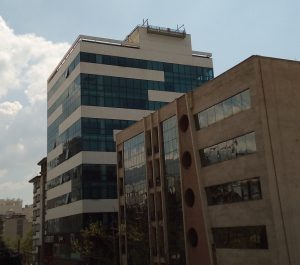
Composite Facade Glass Price: Understanding the Costs and Factors
Composite facade glass has become an increasingly popular choice for modern architecture due to its durability, strength, and aesthetic appeal. It is often used in the construction of skyscrapers, office buildings, and other commercial properties. However, the price of composite facade glass can vary greatly depending on a number of factors. In this article, we will explore the factors that affect the price of composite facade glass and how to make informed decisions when selecting this material for your project.
What is Composite Facade Glass?
Composite facade glass is a type of glass that is made up of two or more layers of glass with an interlayer of polyvinyl butyral (PVB) or ethylene-vinyl acetate (EVA) in between. The layers of glass are bonded together using heat and pressure to create a single sheet of glass. The interlayer provides additional strength and durability to the glass, making it more resistant to impact, breakage, and shattering.
Factors Affecting the Price of Composite Facade Glass
Size and Thickness
The size and thickness of composite facade gass are two of the most significant factors affecting its price. Larger and thicker glass panels require more material, time, and labor to manufacture and install, which increases the overall cost of the project. Additionally, thicker glass panels provide better sound insulation and energy efficiency, which may be desirable but come at a higher cost.

Complexity of Design
The complexity of the design is another factor that affects the price of composite facade glass. Simple, flat glass panels are easier and quicker to manufacture and install than custom curved or shaped glass panels. The more complex the design, the more time and effort it takes to create the glass panels, which adds to the overall cost.
Type of Glass
The type of glass used in composite facade glass also affects its price. Different types of glass have varying levels of durability, strength, and energy efficiency, which affects their cost. For example, tempered glass is stronger and more durable than regular glass, but it also costs more. Low-E glass, which has a special coating to reflect heat, can improve energy efficiency but is also more expensive.
Type of Interlayer
The type of interlayer used in composite facade glass is another factor that affects its price. PVB and EVA are two of the most commonly used interlayers, but they come at different costs. PVB is the more expensive option, but it provides better sound insulation and UV protection. EVA is cheaper, but it is less effective in blocking UV rays and does not provide the same level of sound insulation.
Location and Accessibility
The location and accessibility of the project site can also affect the price of composite facade glass. Projects located in remote or hard-to-reach areas may require additional transportation costs and more time for installation, which can add to the overall cost of the project.
How to Determine the Price of Composite Facade Glass
To determine the price of composite facade glass for your project, you should consider the following factors:
Size and Thickness
Determine the size and thickness of the glass panels required for your project. This will give you an idea of the amount of material required and the manufacturing and installation costs.
Complexity of Design
Consider the complexity of the design and whether any custom shapes or curves are required. This will affect the time and labor required to create and install the glass panels.
Type of Glass
Consider the type of glass required for your project and the associated cost. If energy efficiency is a priority, Low-E glass may be a good option, but it is more expensive than regular glass. Tempered glass is also a popular choice due to its increased strength and durability, but it may come at a higher cost.
Type of Interlayer
Decide on the type of interlayer required for your project. PVB and EVA are the most commonly used options, with PVB providing better sound insulation and UV protection but at a higher cost.
Location and Accessibility
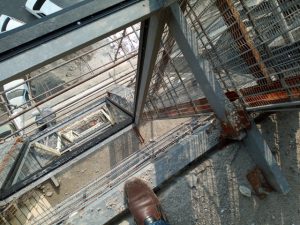
Consider the location and accessibility of the project site. If it is in a remote or hard-to-reach area, it may require additional transportation costs and time for installation, which can add to the overall cost.
Once you have determined these factors, you can obtain quotes from different manufacturers or suppliers to compare prices. It is important to consider the quality and reputation of the manufacturer or supplier as well, as a lower price may not necessarily mean better value in the long run.
Price Range for Composite Facade Glass
The price range for composite facade glass can vary greatly depending on the factors mentioned above. On average, composite facade glass can range from $50 to $150 per square foot. However, this price can increase significantly for larger or more complex projects. Additionally, the cost of installation and transportation should also be factored into the overall cost of the project.
It is important to note that the price of composite facade glass is not the only factor to consider when selecting a material for your project. Other factors such as durability, energy efficiency, sound insulation, and aesthetic appeal should also be taken into account. While composite facade glass may be more expensive upfront, it can provide long-term cost savings through increased energy efficiency and reduced maintenance costs.
Conclusion
In conclusion, the price of composite facade glass can vary greatly depending on a number of factors including size, thickness, complexity of design, type of glass and interlayer, and location and accessibility. It is important to consider these factors when determining the price for your project and to obtain quotes from reputable manufacturers or suppliers. While composite facade glass may be more expensive upfront, it can provide long-term cost savings and benefits that make it a worthwhile investment for modern architecture projects.

Leave A Comment