
Cleaning of profiles

Introduction:
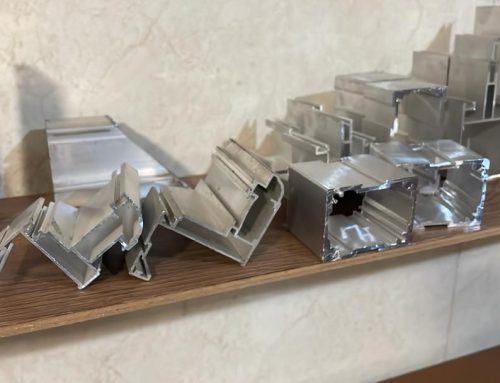
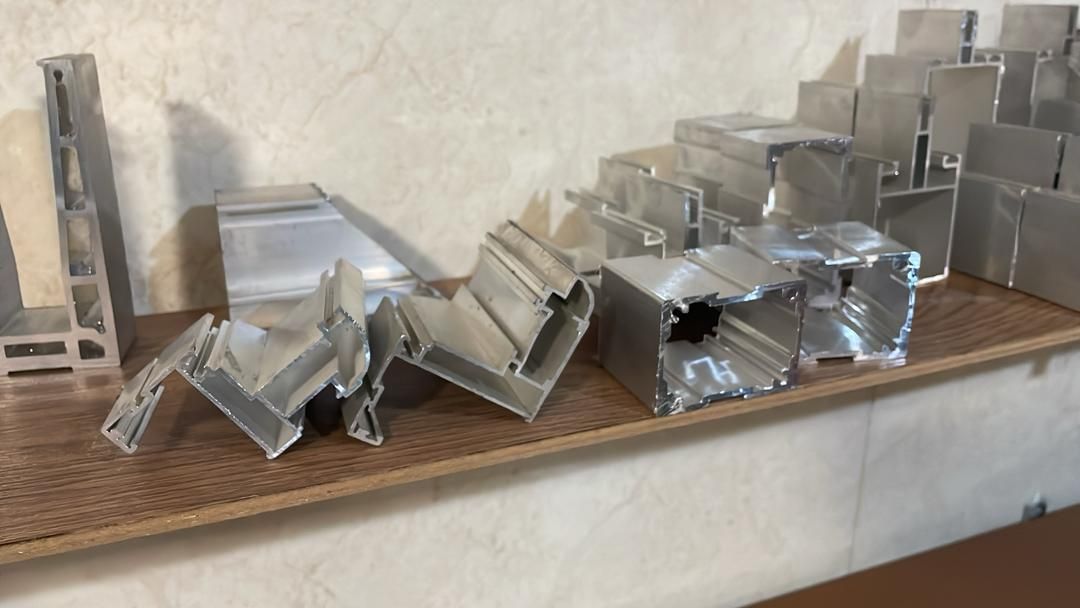
Aluminum profiles are widely used in various industries and applications due to their lightweight, durable, and corrosion-resistant properties. Whether in construction, automotive manufacturing, or consumer electronics, maintaining the cleanliness of aluminum profiles is crucial for both aesthetics and functionality. In this article, we will explore the importance of cleaning aluminum profiles and provide effective tips and techniques to ensure they remain in optimal condition.
Why Clean Aluminum Profiles?
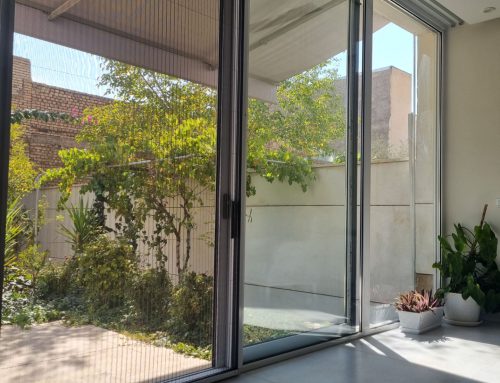
- Aesthetics: Clean and well-maintained aluminum profiles enhance the overall appearance of products and structures. Whether it’s windows, doors, or extruded aluminum components, a polished and gleaming surface reflects professionalism and attention to detail.
- Corrosion Prevention: Aluminum naturally forms a thin oxide layer on its surface, which provides corrosion resistance. However, this layer can become compromised over time due to environmental factors, such as pollution or exposure to harsh chemicals. Regular cleaning helps remove contaminants that could accelerate corrosion, ensuring the longevity of the aluminum profiles.
- Optimal Performance: In certain applications, such as the automotive industry, the performance of aluminum components is critical. Clean profiles contribute to the efficient operation of various mechanisms, promoting smooth movement and reducing wear and tear.
Cleaning Techniques:
- Detergent and Water:
- Start by removing loose dirt and debris using a soft brush or cloth.
- Mix a mild detergent with water and apply it to the aluminum surface.
- Use a soft sponge or cloth to scrub the profiles gently.
- Rinse thoroughly with clean water to remove soap residue.
- Vinegar Solution:
- Create a mixture of equal parts water and white vinegar.
- Apply the solution to the aluminum using a soft cloth.
- Gently rub the surface to remove stains and oxidation.
- Rinse with water and dry thoroughly.
- Baking Soda Paste:
- Make a paste using baking soda and water.
- Apply the paste to the aluminum and let it sit for 15-20 minutes.
- Scrub the surface with a soft brush or cloth.
- Rinse and wipe dry.
-
Commercial Aluminum Cleaners:
- Numerous commercial aluminum cleaners are available.
- Follow the product instructions carefully, as some may require dilution.
- Apply the cleaner with a soft cloth or sponge, scrubbing as needed.
- Rinse thoroughly with water.
Tips for Maintenance:
- Regular Inspection:
- Periodically inspect aluminum profiles for signs of corrosion or damage.
- Promptly address any issues to prevent further deterioration.
- Protective Coatings:
- Consider applying protective coatings to aluminum surfaces to enhance resistance to corrosion and environmental elements.
-
Avoid Abrasive Materials:
- Refrain from using abrasive materials or harsh chemicals that may scratch or damage the aluminum surface.
- Dry Thoroughly:
- After cleaning, ensure the aluminum profiles are thoroughly dried to prevent water spots.
- Polishing for Extra Shine:
- For an added level of sheen, consider using aluminum polish.
- Apply the polish with a soft cloth, following the product’s instructions.
- Buff the aluminum surface to achieve a brilliant shine.
-
Specialized Cleaners for Anodized Aluminum:
- Anodized aluminum surfaces require special care to maintain their finish.
- Use cleaners specifically designed for anodized aluminum to prevent damage to the protective coating.
-
Pressure Washing:
- In industrial settings or large-scale applications, pressure washing can be an efficient method for cleaning aluminum profiles.
- Use a low-pressure setting and an appropriate detergent to avoid damage.
- Preventative Measures:
- Implement preventative measures to minimize exposure to corrosive elements.
- Consider applying a protective sealant or wax to create a barrier against environmental factors.
-
Environmentally Friendly Options:
- Explore environmentally friendly cleaning options, such as citrus-based cleaners, to reduce the impact on the environment while effectively cleaning aluminum profiles.
- Professional Cleaning Services:
- For large-scale or intricate applications, consider hiring professional cleaning services with experience in handling aluminum surfaces.
- Professionals have access to specialized tools and techniques that ensure thorough cleaning without causing damage.
- Educate Personnel:
- If aluminum profiles are part of an industrial or manufacturing process, educate personnel on proper cleaning procedures to maintain equipment and components.
-
Record Keeping:
- Keep a record of cleaning schedules and any maintenance performed on aluminum profiles.
- This documentation can help identify patterns, assess the effectiveness of cleaning methods, and plan future maintenance.
- Quality Control and Testing:
- Implement quality control measures to assess the effectiveness of cleaning processes.
- Conduct periodic testing to ensure that the aluminum profiles meet the required standards for corrosion resistance and visual appeal.
-
Employee Training:
- Train employees on the importance of proper cleaning techniques and the potential consequences of neglecting aluminum profile maintenance.
- Provide guidance on recognizing signs of corrosion or damage that may require immediate attention.
- Continuous Improvement:
- Establish a feedback loop for continuous improvement in cleaning processes.
- Encourage employees to share insights and suggestions for enhancing cleaning efficiency and maintaining aluminum quality.
-
Community and Environmental Responsibility:
- Dispose of cleaning agents responsibly, adhering to local environmental regulations.
- Consider eco-friendly alternatives and contribute to sustainability efforts within the community.
- Documentation of Cleaning Procedures:
- Develop and document standardized cleaning procedures for aluminum profiles in your specific industry.
- Share these procedures with relevant stakeholders to ensure consistency in cleaning practices.
-
Emergency Response Plan:
- Have a well-defined emergency response plan in place in case of accidental spills or exposure to hazardous substances during the cleaning process.
- Train personnel on emergency protocols to minimize risks and damages.
- Research and Development:
- Stay informed about advancements in cleaning technologies and materials.
- Invest in research and development to explore innovative cleaning solutions that may offer better results or reduce environmental impact.
-
Collaboration with Suppliers:
- Collaborate with aluminum suppliers to gain insights into recommended cleaning practices for specific alloys or finishes.
- Build strong partnerships to ensure that both manufacturing processes and cleaning methods align with industry best practices.
- Periodic Equipment Inspection:
- Regularly inspect cleaning equipment to ensure proper functioning.
- Replace or repair any worn-out or damaged components to maintain the effectiveness of the cleaning process.
-
Periodic Audits and Assessments:
- Conduct regular audits to assess the overall effectiveness of your aluminum profile cleaning processes.
- Use these assessments to identify areas for improvement and address any emerging issues promptly.
- Customer Feedback and Satisfaction:
- Solicit feedback from customers regarding the appearance and quality of aluminum products.
- Consider customer satisfaction surveys to gauge their perception of the cleanliness and overall condition of the aluminum profiles.
-
Documentation of Incidents and Resolutions:
- Keep detailed records of any incidents related to aluminum profile cleanliness.
- Document the steps taken to resolve issues, and use this information to refine cleaning procedures and prevent future occurrences.
- Adaptation to Changing Regulations:
- Stay informed about changes in environmental regulations, safety standards, and industry guidelines related to aluminum profile cleaning.
- Adapt your cleaning practices accordingly to ensure compliance and promote responsible corporate citizenship.
-
Investment in Automation:
- Explore automation options for routine cleaning tasks, especially in large-scale manufacturing settings.
- Automated systems can enhance efficiency, reduce labor costs, and improve the consistency of cleaning results.
- Employee Recognition Programs:
- Establish employee recognition programs to acknowledge and reward individuals or teams that consistently contribute to effective aluminum profile cleaning.
- Recognition can foster a culture of responsibility and pride in maintaining high standards.
-
Collaboration with Industry Associations:
- Engage with industry associations and forums dedicated to aluminum manufacturing and maintenance.
- Participate in discussions, share experiences, and learn from the best practices employed by others in the field.
- Training Modules for New Technologies:
- Develop training modules to educate employees on the use of new technologies and cleaning methods.
- Ensure that the workforce is equipped to handle advancements in cleaning equipment and materials.
-
Educational Outreach:
- Extend educational outreach beyond your organization by sharing insights on proper aluminum profile cleaning with industry peers, suppliers, and other stakeholders.
- Contribute to the collective knowledge base for better industry-wide practices.
By incorporating these ongoing strategies, your organization can establish a dynamic and responsive approach to aluminum profile cleaning. The combination of proactive maintenance, employee engagement, adherence to regulations, and a commitment to continuous improvement will not only ensure the immediate cleanliness of aluminum profiles but also contribute to the sustained excellence of your products and processes. As the industry evolves, adapting and refining your cleaning practices will position your organization at the forefront of efficiency, quality, and environmental responsibility.



Leave A Comment