
Buy Unitized thermal break curtain wall system
Introduction:
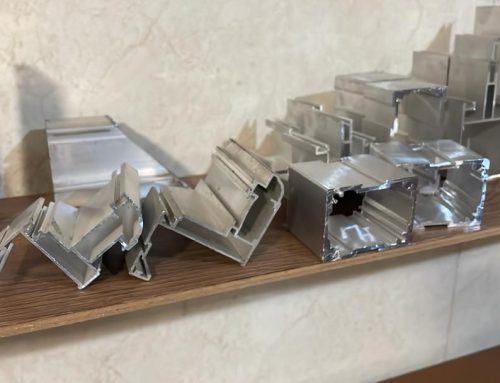
Buy Unitized thermal break curtain wall system ,In the realm of modern architecture, the demand for sustainable and energy-efficient building solutions is ever-growing. One such innovation that has gained prominence is the Unitized Thermal Break Curtain Wall System. This sophisticated building envelope not only offers aesthetic appeal but also addresses critical concerns related to energy conservation and thermal efficiency.
Understanding Unitized Thermal Break Curtain Wall Systems:
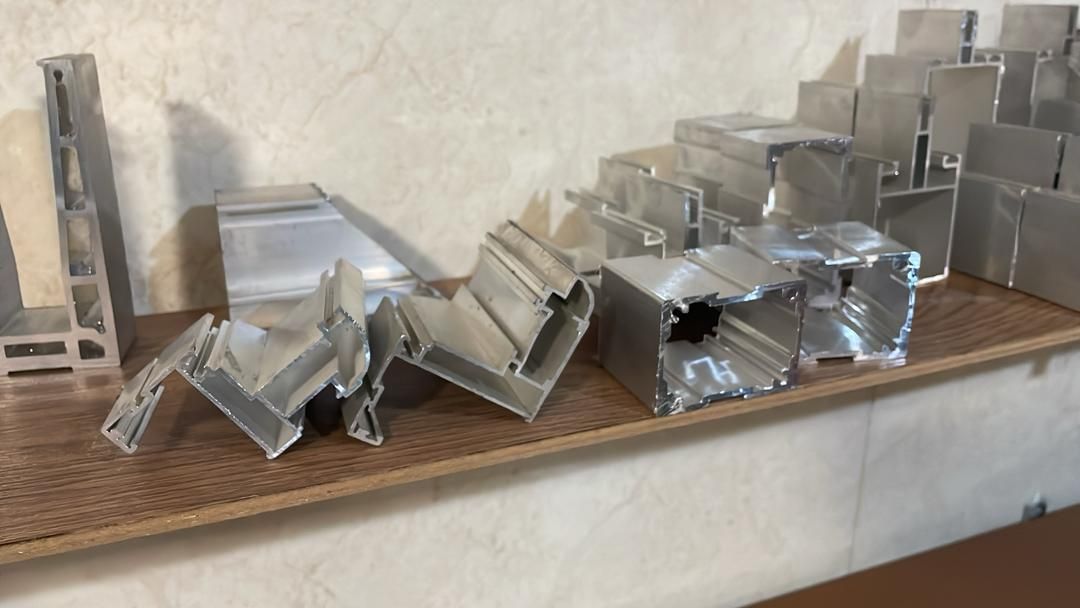
A Unitized Thermal Break Curtain Wall System is a comprehensive building façade solution that combines structural integrity with thermal efficiency. It comprises pre-assembled units, or panels, that are manufactured off-site and then transported to the construction site for swift installation. The “thermal break” element involves the inclusion of materials with low thermal conductivity between the internal and external components of the system, thereby minimizing heat transfer and maximizing energy efficiency.
Key Advantages:
- Energy Efficiency: Unitized thermal break systems excel in energy efficiency by providing a robust barrier against heat transfer. The inclusion of thermal break materials within the framework minimizes the effects of thermal bridging, reducing the overall energy consumption of the building.
- Cost-Effective Construction: The off-site fabrication of unitized panels allows for a more streamlined construction process. This results in reduced on-site labor costs, faster project completion times, and enhanced overall cost-effectiveness.
- Design Versatility: Architects and designers appreciate the design flexibility offered by unitized curtain wall systems. These systems can accommodate various glass types, coatings, and finishes, allowing for creative freedom while maintaining energy performance.
- Seamless Integration with Building Systems: Unitized systems seamlessly integrate with other building systems such as HVAC, lighting, and controls. This harmonious integration contributes to the overall efficiency of the building and ensures a holistic approach to sustainable design.
- Enhanced Thermal Comfort: By minimizing heat transfer, unitized thermal break curtain walls contribute to improved thermal comfort for building occupants. The reduction of temperature differentials near the building envelope creates a more consistent and comfortable indoor environment.
- Durability and Weather Resistance: The unitized system is designed to withstand various environmental conditions, including wind, rain, and temperature fluctuations. This durability ensures a longer lifespan for the building envelope, reducing the need for frequent maintenance.
Installation and Maintenance:
The installation process of a Unitized Thermal Break Curtain Wall System is a meticulous and precise task that requires expertise. However, the off-site fabrication significantly reduces on-site construction time and minimizes disruptions, allowing for a smoother project timeline. Additionally, the modular nature of the unitized panels ensures consistency in quality, contributing to the overall reliability of the system.
Regular maintenance is essential to uphold the system’s performance over time. Fortunately, the durable materials used in unitized systems often require minimal upkeep. Periodic inspections can help identify and address any issues promptly, ensuring that the curtain wall continues to function optimally in terms of energy efficiency and structural integrity.
Environmental Impact:
In an era where sustainability is a top priority, the environmental impact of building materials and systems is a crucial consideration. Unitized Thermal Break Curtain Wall Systems contribute to green building initiatives by reducing the overall energy consumption of a structure. The improved thermal efficiency directly translates into lower energy bills and a smaller carbon footprint, aligning with global efforts to combat climate change.
The use of recyclable materials in the fabrication of unitized systems further supports environmentally friendly construction practices. As these systems become more widespread, the construction industry moves closer to achieving a balance between meeting the demands of urbanization and preserving the planet’s natural resources.
Challenges and Considerations:
While Unitized Thermal Break Curtain Wall Systems offer numerous benefits, it’s essential to acknowledge potential challenges. The initial cost of implementing these systems may be higher compared to traditional curtain wall solutions. However, the long-term savings in energy costs, coupled with the expedited construction timeline, often outweigh the upfront investment.
Additionally, the selection of appropriate materials and careful design considerations are crucial to maximizing the benefits of the thermal break technology. Collaboration between architects, engineers, and manufacturers is essential to ensure that the system is customized to meet the specific requirements of each project.
Case Studies and Success Stories:
Examining real-world applications of Unitized Thermal Break Curtain Wall Systems provides valuable insights into their effectiveness. Numerous architectural marvels around the globe showcase the successful integration of these systems, highlighting their adaptability to diverse climates and design preferences.
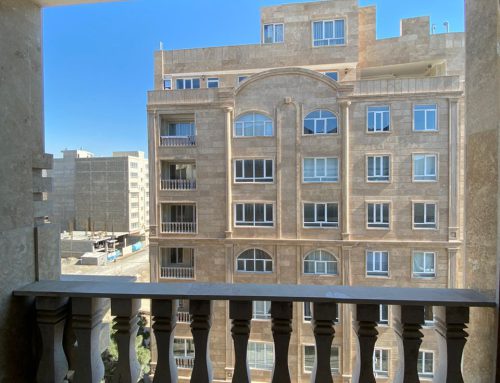
For example, the use of Unitized Thermal Break Curtain Wall Systems in high-rise buildings has become increasingly prevalent. Skyscrapers, with their expansive glass façades, benefit from the enhanced thermal performance of these systems, creating energy-efficient structures that remain visually striking.
Case studies on commercial buildings, educational institutions, and healthcare facilities underscore the versatility of unitized systems. These structures not only achieve energy savings but also create comfortable and conducive environments for occupants.
Future Trends and Innovations:
As technology and sustainable building practices continue to evolve, Unitized Thermal Break Curtain Wall Systems are likely to undergo further advancements. Innovations in materials, such as the development of novel thermal break compounds, may enhance the already impressive energy efficiency of these systems.
Moreover, the integration of smart technologies within unitized curtain walls could become a future trend. Imagine curtain walls equipped with sensors and automation systems that adjust to external conditions, optimizing energy efficiency based on real-time data. Such innovations would propel building envelopes into the era of intelligent and responsive design.
Regulatory Landscape and Certification:
The growing emphasis on sustainable construction practices has led to increased scrutiny and regulation. Building codes and certifications, such as LEED (Leadership in Energy and Environmental Design), play a pivotal role in driving the adoption of energy-efficient systems like Unitized Thermal Break Curtain Walls. Compliance with these standards not only ensures environmental responsibility but also enhances the market value of buildings.
Understanding and navigating the regulatory landscape is crucial for architects, developers, and manufacturers alike. Staying abreast of evolving standards and certifications ensures that projects not only meet current requirements but also remain future-proofed against stricter environmental regulations.
Global Impact and Adoption:
The global adoption of Unitized Thermal Break Curtain Wall Systems is gaining momentum as architects, developers, and governments recognize the significance of energy-efficient building solutions. Across various continents, from North America to Asia, these systems are becoming integral to iconic skyscrapers, commercial complexes, and institutional structures.
Developing countries, in particular, are increasingly incorporating unitized systems into their urban development plans. The drive towards sustainable construction aligns with international efforts to combat climate change, making unitized curtain walls a global solution for reducing the carbon footprint of buildings.
Economic Benefits and Return on Investment:
While the initial investment in Unitized Thermal Break Curtain Wall Systems may be perceived as higher, the long-term economic benefits cannot be overstated. The energy savings realized through improved thermal performance lead to reduced operational costs over the lifespan of the building. This, in turn, contributes to a quicker return on investment (ROI) for developers and building owners.
Moreover, the market value of structures equipped with energy-efficient technologies tends to appreciate, reflecting the growing demand for sustainable buildings. This economic advantage further incentivizes the widespread adoption of unitized systems in both residential and commercial real estate developments.
Educational Initiatives and Industry Collaboration:
The successful integration of Unitized Thermal Break Curtain Wall Systems relies on a collaborative approach within the construction industry. Educational initiatives and industry collaborations play a crucial role in disseminating knowledge about the benefits and proper implementation of these systems.
Architectural schools, professional organizations, and industry conferences provide platforms for sharing best practices, research findings, and case studies related to unitized curtain walls. This collaborative spirit fosters innovation, ensuring that the industry remains at the forefront of sustainable building practices.
Challenges and Continuous Improvement:
While Unitized Thermal Break Curtain Wall Systems offer numerous advantages, addressing challenges is crucial for their continued success. One ongoing concern is the potential for moisture infiltration and condensation within the system. This necessitates ongoing research and development to enhance the water-resistance properties of these curtain walls, ensuring they remain resilient against varying weather conditions.
Innovations in materials and design strategies are continuously being explored to overcome these challenges. Collaborative efforts between manufacturers, architects, and researchers contribute to refining the technology, making Unitized Thermal Break Curtain Wall Systems even more robust and adaptable.
Localized Adaptations and Cultural Considerations:
The global adoption of building technologies often requires localized adaptations to address specific climatic conditions and cultural preferences. Unitized Thermal Break Curtain Wall Systems must be designed with flexibility in mind to accommodate different climates, architectural styles, and construction practices.
Understanding the local context and incorporating regional variations in design and materials ensures the seamless integration of these systems into diverse environments. This approach not only enhances the performance of the curtain walls but also fosters cultural appreciation and acceptance.
The Role of Government Incentives:
Government support and incentives play a pivotal role in promoting the widespread adoption of sustainable building technologies. Various countries have introduced policies and financial incentives to encourage the use of energy-efficient systems, including Unitized Thermal Break Curtain Wall Systems.
Developers and builders, incentivized by tax breaks, grants, or other financial benefits, are more likely to invest in these systems. This alignment of economic interests with environmental goals accelerates the transition towards sustainable construction practices on a larger scale.
Continued Research and Innovation:
The journey towards sustainable architecture is a continuous process, and the field of Unitized Thermal Break Curtain Wall Systems is no exception. Ongoing research and innovation are essential to stay ahead of emerging challenges and to explore new possibilities.
Researchers are investigating advanced materials, smart technologies, and novel construction techniques to further enhance the performance of unitized systems. This commitment to innovation ensures that these curtain wall systems remain at the forefront of sustainable building practices, contributing to the evolution of the construction industry.
Conclusion: A Paradigm Shift in Construction Practices:
Unitized Thermal Break Curtain Wall Systems represent more than just a technological advancement in building design; they signify a paradigm shift in construction practices. As the global community grapples with the challenges of climate change, these systems offer a tangible and impactful solution for reducing the environmental footprint of buildings.
The collaboration between architects, manufacturers, policymakers, and researchers is essential for the widespread adoption and continual improvement of these systems. From towering skyscrapers to community-centric structures, Unitized Thermal Break Curtain Wall Systems are reshaping the built environment, creating spaces that are not only visually striking but also environmentally responsible.
In the years to come, as technology advances and sustainability becomes an even more central consideration in construction, these curtain wall systems will likely evolve further. The journey towards creating a built environment that harmonizes with nature is an ongoing one, and Unitized Thermal Break Curtain Wall Systems stand as a testament to the industry’s commitment to a sustainable and resilient future , Buy Unitized thermal break curtain wall system , Buy Unitized thermal break curtain wall system.

Leave A Comment