
Buy Thermal break U-Channel curtain wall system
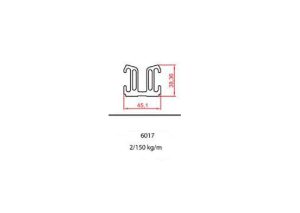
Introduction:
In the ever-evolving realm of architecture and construction, innovation is key to creating structures that not only stand tall and aesthetically pleasing but also meet the growing demand for energy efficiency. One such advancement in building envelope technology is the Thermal Break U-Channel Curtain Wall System. This cutting-edge solution combines architectural beauty with energy-saving features, making it a preferred choice for modern structures.
Understanding Thermal Break U-Channel Curtain Wall Systems:
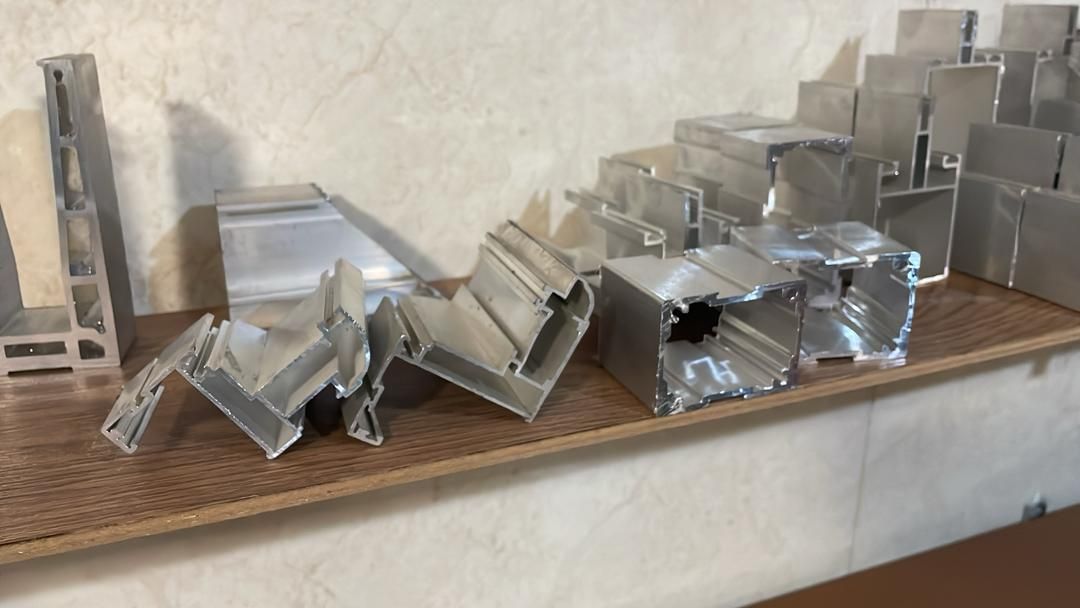
A curtain wall is a non-structural outer covering of a building that is designed to keep out the elements. The U-Channel curtain wall system takes this concept further by incorporating a thermal break, which is a material of low thermal conductivity placed between two materials with higher conductivity. This design minimizes the transfer of heat and cold between the interior and exterior of the building, contributing significantly to energy efficiency.
Benefits of Thermal Break U-Channel Curtain Wall Systems:
- Energy Efficiency: The primary advantage of a thermal break curtain wall system is its ability to reduce heat transfer. This, in turn, leads to lower energy consumption for heating and cooling purposes. Buildings with enhanced energy efficiency contribute to a sustainable future by minimizing their carbon footprint.
- Cost Savings: While the initial investment in a thermal break U-Channel curtain wall system may be higher than traditional alternatives, the long-term cost savings are substantial. Lower energy bills and reduced maintenance expenses make it a financially sound choice over the lifespan of the building.
- Comfort and Well-being: By effectively insulating the interior from external temperature fluctuations, these curtain wall systems create a more comfortable and consistent indoor environment. Occupants can enjoy a space that remains cooler in summer and warmer in winter, promoting well-being and productivity.
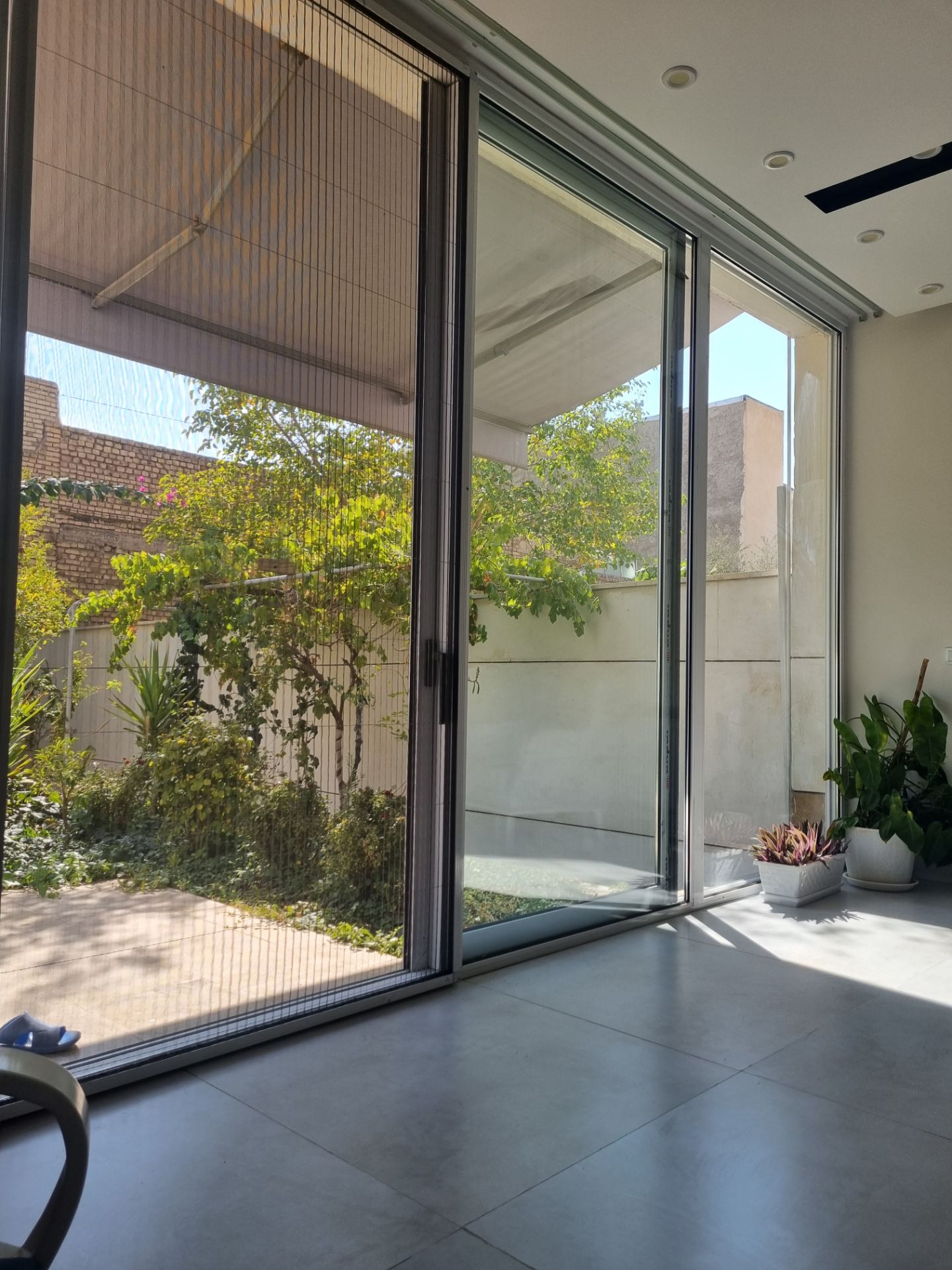
- Architectural Versatility: The U-Channel design offers architects and designers a versatile and aesthetically pleasing option for creating modern facades. The system allows for larger expanses of glass, providing ample natural light while maintaining thermal performance.
- Condensation Control: The thermal break technology minimizes the risk of condensation forming on the interior surface of the curtain wall. This not only preserves the visual appeal of the building but also prevents potential issues such as mold growth and degradation of indoor air quality.
- Environmental Sustainability: As energy efficiency becomes a critical aspect of building design, the use of thermal break U-Channel curtain wall systems aligns with global sustainability goals. By reducing the overall energy consumption of a structure, these systems contribute to a more environmentally friendly and responsible approach to construction.
Installation and Maintenance:
The installation of Thermal Break U-Channel Curtain Wall Systems requires careful planning and precision to ensure optimal performance. Professional installation ensures that the thermal breaks are correctly positioned and that the overall system meets the specified design criteria. Regular maintenance is also essential to ensure the longevity and continued efficiency of the curtain wall. Periodic inspections can identify any issues, such as damaged seals or hardware, which, if left unaddressed, could compromise the system’s performance.
Industry Standards and Regulations:
As the popularity of thermal break curtain wall systems grows, it is crucial to adhere to industry standards and regulations. Many countries and regions have specific guidelines for building envelope performance, and compliance with these standards ensures that the constructed buildings meet energy efficiency and safety requirements. Engaging with professionals familiar with local codes and regulations is essential to achieving compliance.
Case Studies:
Examining successful case studies can provide valuable insights into the real-world applications and benefits of Thermal Break U-Channel Curtain Wall Systems. Projects that have embraced this technology often showcase reduced energy consumption, improved occupant comfort, and enhanced architectural aesthetics. These examples serve as inspiration for architects, builders, and developers considering the implementation of thermal break systems in their projects.
Emerging Trends and Future Developments:
As technology advances, the field of building envelope systems continues to evolve. Emerging trends in curtain wall design include the integration of smart technologies for improved energy management and advanced materials that further enhance thermal performance. Keeping an eye on these trends can help industry professionals stay ahead of the curve and adopt the latest innovations in their projects.
Considerations for Implementation:
Before implementing a Thermal Break U-Channel Curtain Wall System, it’s crucial to consider several factors. Site-specific conditions, local climate, and the building’s intended use all play a role in determining the most suitable system. Engaging with experienced professionals, including architects, engineers, and curtain wall specialists, can help in tailoring the solution to meet the specific needs of a project.
Collaboration between Stakeholders:
Effective collaboration among all stakeholders is key to the success of any construction project. Architects, builders, engineers, and manufacturers must work closely to ensure that the thermal break curtain wall system integrates seamlessly into the overall design and construction process. This collaboration fosters a holistic approach that considers both aesthetic and functional aspects, resulting in a well-executed and efficient building envelope.
Educating Industry Professionals:
As the construction industry evolves, it’s essential to invest in the education and training of industry professionals. Providing architects, builders, and engineers with the knowledge and skills required to understand and implement thermal break technology ensures the widespread adoption of these innovative systems. Training programs and workshops can contribute to a broader understanding of the benefits and best practices associated with Thermal Break U-Channel Curtain Wall Systems.
Global Impact and Market Growth:
The global demand for energy-efficient building solutions continues to grow, driven by environmental concerns and a focus on sustainable development. The market for Thermal Break U-Channel Curtain Wall Systems is expanding as more regions adopt stringent energy codes and regulations. Manufacturers are responding to this demand by developing a wide range of innovative products, contributing to healthy competition and fostering continuous improvement within the industry.
Challenges and Solutions:
While Thermal Break U-Channel Curtain Wall Systems offer numerous benefits, there are challenges associated with their implementation. One such challenge is the potential for increased upfront costs compared to traditional curtain wall systems. However, it’s important to view this as an investment in long-term energy savings and operational efficiency. Additionally, ongoing research and development in materials and manufacturing processes may contribute to cost reductions over time.
Another consideration is the need for careful design and engineering to ensure the proper integration of the system with the overall building structure. Collaborative efforts between architects, engineers, and manufacturers are essential to overcoming this challenge. Advanced computer modeling and simulation tools can assist in optimizing designs and identifying potential issues before construction begins.
User Experience and Occupant Satisfaction:
The success of any architectural innovation ultimately rests on the experience of the occupants. In the case of Thermal Break U-Channel Curtain Wall Systems, maintaining occupant comfort is paramount. Proper insulation and control of external factors contribute to a pleasant indoor environment. The industry’s focus on user experience aligns with the broader goal of creating buildings that not only perform efficiently but also enhance the well-being of those who inhabit them.
Adaptability to Changing Technologies:
As technologies evolve, buildings must be adaptable to incorporate new innovations. The modular nature of U-Channel Curtain Wall Systems allows for updates and modifications without significant disruption. This adaptability ensures that buildings remain at the forefront of technological advancements, such as the integration of smart building technologies for improved energy management and occupant control.
Global Impact and Sustainability:
On a global scale, the construction industry plays a crucial role in addressing environmental challenges. Thermal Break U-Channel Curtain Wall Systems contribute to sustainability goals by reducing energy consumption and, subsequently, greenhouse gas emissions. The positive impact extends beyond individual buildings to influence urban development patterns, setting a standard for environmentally conscious construction practices.
The Road Ahead:
Looking ahead, the trajectory of Thermal Break U-Channel Curtain Wall Systems suggests a promising future. Continued research and development will likely result in even more efficient materials and designs. As these systems become more widely adopted, economies of scale may contribute to cost reductions, making them a more accessible choice for a broader range of projects.
Moreover, the increased awareness of environmental issues and the global push towards sustainable development are likely to drive regulatory changes favoring energy-efficient building practices. This, in turn, will encourage the adoption of advanced curtain wall systems as a standard in the construction industry.
Final Thoughts:
Thermal Break U-Channel Curtain Wall Systems stand at the intersection of architectural innovation and sustainable building practices. As the industry embraces the challenges and opportunities associated with these systems, they will become integral to the construction landscape. Through collaboration, education, and a commitment to creating buildings that prioritize both form and function, the construction industry can pave the way for a future where energy-efficient structures are the norm rather than the exception.
In choosing Thermal Break U-Channel Curtain Wall Systems, stakeholders are not merely selecting a building solution; they are contributing to a paradigm shift towards sustainable, efficient, and visually striking architecture. The journey towards a more energy-conscious and environmentally responsible built environment is ongoing, and these innovative curtain wall systems play a crucial role in shaping that future.



Leave A Comment