
Buy Frameless system
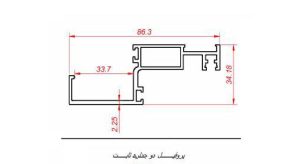
Introduction:
In the ever-evolving world of interior design and architecture, the frameless system has emerged as a contemporary and sophisticated solution. This innovative approach challenges traditional design norms by eliminating the need for visible frames in various applications, such as doors, windows, and shower enclosures. In this article, we will explore the benefits of the frameless system, shedding light on its aesthetic appeal, functionality, and the impact it can have on modern spaces.
Aesthetic Elegance:
One of the primary advantages of frameless systems is the aesthetic elegance they bring to any space. By removing visible frames, these systems create a seamless and sleek appearance, offering a minimalist and sophisticated look. Whether it’s a frameless glass door or a frameless shower enclosure, the design allows for uninterrupted views and an open, airy feel. This clean aesthetic is particularly popular in contemporary and modern architectural styles, contributing to a sense of spaciousness and sophistication.
Maximized Natural Light:
Frameless windows and doors maximize the entry of natural light into a space. The absence of visible frames means that there are no obstructions to impede the flow of sunlight, creating bright and well-lit interiors. This not only enhances the overall ambiance but also contributes to energy efficiency by reducing the reliance on artificial lighting during daylight hours. The frameless system is a design choice that aligns with the growing emphasis on sustainable and eco-friendly architectural solutions.
Versatile Design Options:
Frameless systems offer versatile design options, allowing for customization to suit various architectural styles and preferences. Whether it’s a frameless glass partition, a frameless sliding door, or a frameless shower screen, these systems can be adapted to meet the specific requirements of a space. The flexibility in design makes them suitable for both residential and commercial applications, providing architects and designers with the creative freedom to achieve their vision.
Easy Maintenance:
The absence of visible frames not only contributes to the aesthetic appeal but also simplifies maintenance. Frameless glass surfaces are generally easier to clean and maintain than framed alternatives. The smooth surfaces and lack of crevices where dirt and grime can accumulate make frameless systems an attractive choice for those seeking both beauty and practicality in their design.
Enhanced Property Value:
Investing in frameless systems can enhance the overall value of a property. Potential buyers or tenants often appreciate modern and well-thought-out design choices, and the sleek, contemporary look of frameless systems can set a property apart in a competitive real estate market. The combination of aesthetic appeal, functionality, and energy efficiency adds to the overall desirability of a space.
Energy Efficiency and Sustainability:
Beyond the aesthetic and functional advantages, frameless systems contribute to energy efficiency and sustainability in architecture. The increased use of glass in modern buildings, facilitated by frameless designs, allows for better utilization of natural light. This, in turn, reduces the dependence on artificial lighting during the day, leading to lower energy consumption and decreased utility costs.
Additionally, frameless glass systems can be paired with high-performance glass materials that offer improved insulation. This helps in maintaining consistent indoor temperatures, reducing the reliance on heating or cooling systems. By enhancing energy efficiency, frameless systems align with the global trend towards sustainable construction practices, making them a choice that resonates with environmentally conscious individuals and businesses.
Seamless Integration with Surroundings:
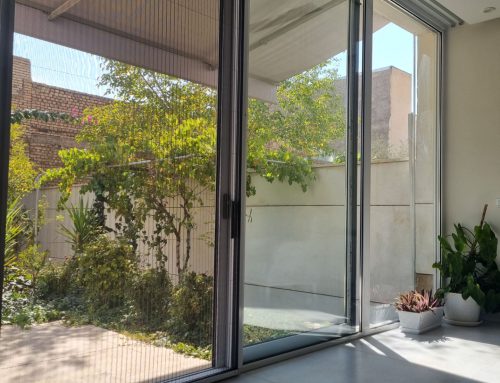
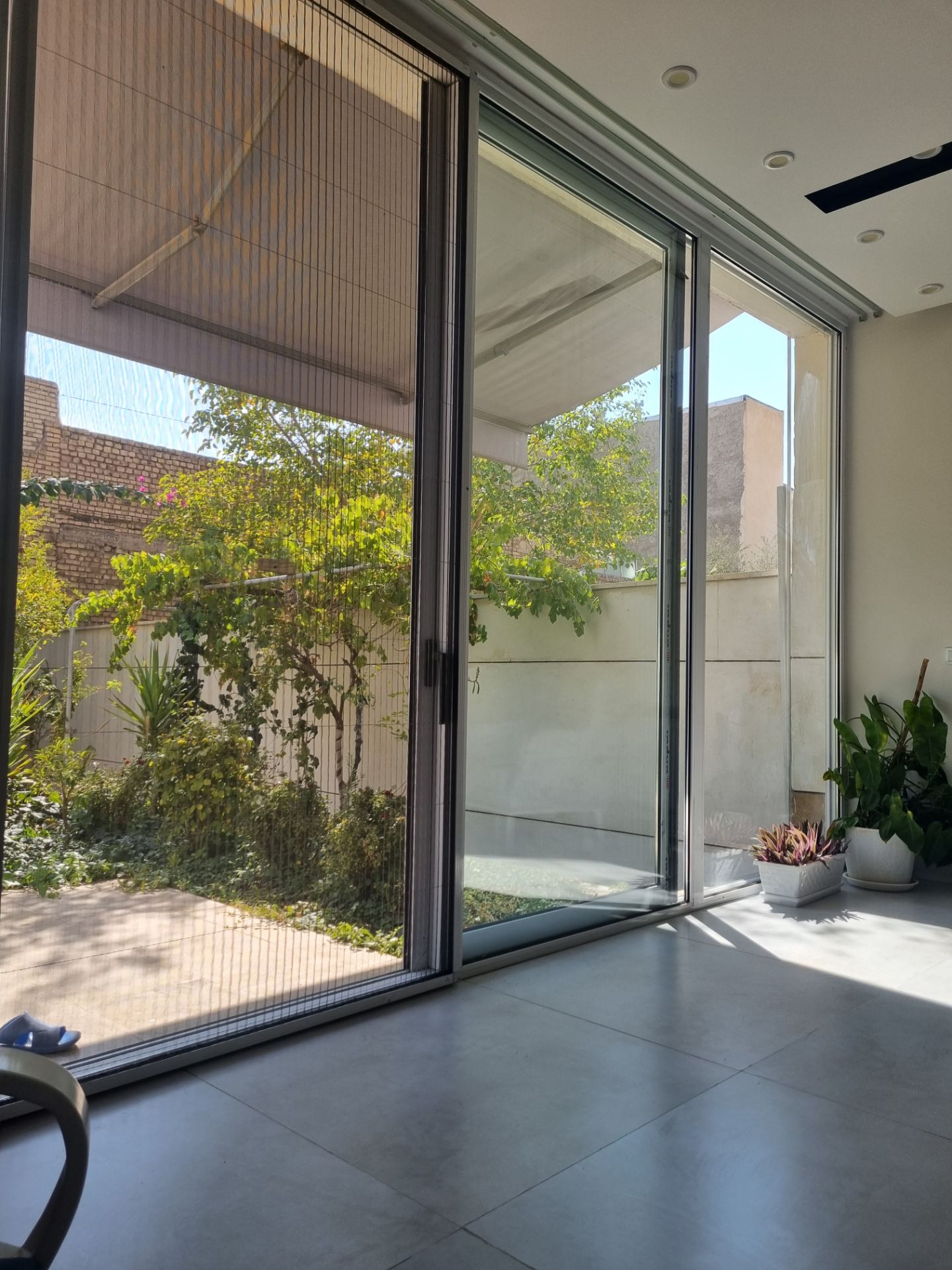
Frameless systems seamlessly integrate with their surroundings, creating a harmonious connection between indoor and outdoor spaces. Whether it’s a frameless glass door opening to a garden or a frameless window overlooking a scenic landscape, these systems enhance the connection to nature. This integration not only improves the overall aesthetic but also contributes to a sense of well-being, as occupants can enjoy unobstructed views and natural elements from the comfort of their living or working spaces.
Innovations in Security and Durability:
Advancements in technology have led to innovations in frameless systems, addressing concerns related to security and durability. Frameless glass doors, for example, can now be equipped with advanced locking mechanisms, providing the necessary security without compromising the aesthetic appeal. Moreover, the use of tempered or laminated glass in frameless designs enhances durability and safety, making them resistant to breakage and reducing the risk of injury in case of an accident.
Popular Applications of Frameless Systems:
Frameless systems find application in various architectural elements, offering solutions that cater to both residential and commercial needs. Some of the popular applications include:
- Frameless Glass Doors: Ideal for creating a seamless transition between indoor and outdoor spaces, frameless glass doors are commonly used in modern homes, offices, and commercial establishments.
- Frameless Windows: Providing unobstructed views and maximizing natural light, frameless windows are a popular choice for contemporary architecture.
- Frameless Shower Enclosures: In bathrooms, frameless shower enclosures contribute to a spa-like atmosphere, offering a clean and open feel.
- Frameless Glass Partitions: Used in office spaces, frameless glass partitions maintain an open and collaborative atmosphere while providing necessary divisions between work areas.
- Frameless Balustrades and Railings: For staircases, balconies, or terraces, frameless glass balustrades offer safety without compromising the view.
In conclusion, the frameless system has evolved into a hallmark of modern design, embodying a commitment to aesthetic refinement, sustainability, and technological innovation. As architects, designers, and homeowners embrace the possibilities offered by frameless systems, these design elements are sure to continue influencing the architectural landscape.
Looking ahead, the frameless system is expected to undergo further refinements and enhancements. Innovations in materials and construction techniques may lead to even more robust and efficient frameless solutions, addressing specific challenges and pushing the boundaries of what is possible in contemporary design.
The global movement toward sustainable and eco-friendly building practices is likely to bolster the popularity of frameless systems, given their inherent energy-efficient qualities and seamless integration with natural elements. As environmental consciousness becomes an integral part of design considerations, the frameless system’s ability to maximize natural light and reduce energy consumption aligns perfectly with the ethos of sustainable architecture.
Moreover, as smart home technology continues to advance, we may witness the integration of intelligent features within frameless systems. This could include automated sliding doors, tint-adjustable glass for privacy control, or other technological innovations that enhance both the functionality and user experience of frameless designs.
As we move further into the 21st century, the frameless system stands as a symbol of contemporary elegance and forward-thinking design. Its influence extends beyond aesthetics, touching upon vital aspects such as sustainability, energy efficiency, and the seamless integration of indoor and outdoor spaces. For those at the forefront of architectural innovation, the frameless system represents not only a design choice but a philosophy—a commitment to creating spaces that are visually stunning, functional, and sustainable.
In conclusion, whether incorporated into residential dwellings, commercial spaces, or public structures, the frameless system is poised to remain a key player in shaping the future of architecture and interior design. Its enduring appeal lies in its ability to offer a timeless and sophisticated aesthetic while adapting to the evolving needs of a dynamic and ever-changing world.

Leave A Comment