
Buy Electrical louver profile
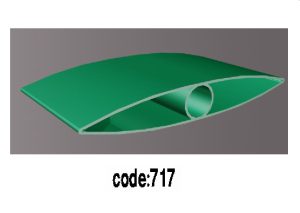
Introduction:
In the realm of modern architecture and building design, the incorporation of electrical louvers has become a popular choice for enhancing both aesthetics and functionality. These louvers not only serve as a visual element but also contribute significantly to the overall energy efficiency and comfort of a space. As the demand for innovative solutions grows, the market has responded with a variety of options, including electrical louver profiles. In this article, we will delve into the advantages of these profiles and guide you on making informed purchases.
Understanding Electrical Louver Profiles:
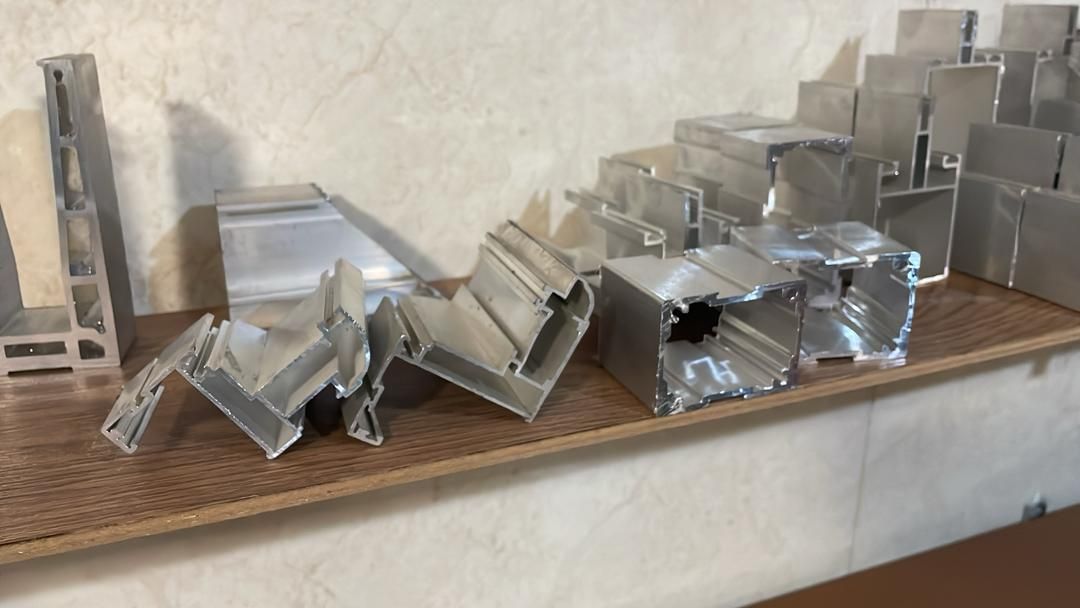
Electrical louver profiles are specially designed structures made from high-quality materials, such as aluminum or stainless steel, that incorporate adjustable louvers. These louvers can be controlled electronically, allowing for precise adjustment of airflow, light, and privacy. The profiles are often integrated into windows, facades, or ventilation systems, providing a dynamic solution for optimizing environmental conditions within a building.
Benefits of Electrical Louver Profiles:
- Energy Efficiency: Electrical louver profiles contribute significantly to energy efficiency by allowing for optimal control over natural light and ventilation. By adjusting the louvers, users can manage the amount of sunlight entering a space, reducing the need for artificial lighting and minimizing the load on HVAC systems.
- Customization and Flexibility: One of the key advantages of electrical louver profiles is their ability to adapt to various environmental conditions and user preferences. The electronic controls enable users to customize the angle and position of the louvers, providing flexibility in terms of privacy, shading, and airflow.
- Smart Building Integration: As technology continues to advance, electrical louver profiles can seamlessly integrate with smart building systems. This integration allows for automated adjustments based on environmental factors, occupancy, and time of day, further enhancing energy efficiency and user comfort.
- Architectural Aesthetics: Beyond their functional benefits, electrical louver profiles contribute to the overall aesthetics of a building. The sleek and modern design of these profiles adds a contemporary touch to the architecture, making them suitable for a wide range of applications, from residential to commercial projects.
- Improved Indoor Comfort: The ability to regulate natural light and ventilation contributes to improved indoor comfort. Users can create an environment that suits their preferences, fostering productivity and well-being. Additionally, the reduction of glare and the prevention of overheating contribute to a more comfortable living or working space.
- Durable and Low Maintenance: Electrical louver profiles are often constructed from durable materials, ensuring longevity and minimal maintenance requirements. This makes them a cost-effective solution in the long run, providing both reliability and performance.
Choosing the Right Electrical Louver Profiles:
When considering the purchase of electrical louver profiles, there are several factors to keep in mind to ensure that you select the right solution for your needs.
- Material Selection: Different materials offer varying degrees of durability, corrosion resistance, and aesthetic appeal. Aluminum and stainless steel are commonly used for electrical louver profiles due to their lightweight nature, resistance to rust, and suitability for exterior applications. Consider the specific environmental conditions of your project when choosing the material.
- Integration and Compatibility: If you plan to integrate the electrical louver profiles into a larger smart building system, it’s crucial to verify compatibility with existing technologies. Look for profiles that support standard communication protocols for seamless integration with automation and control systems.
- Customization Options: Assess the level of customization offered by the electrical louver profiles. The ability to tailor the size, shape, and finish to match your architectural vision is essential. Additionally, inquire about the range of control options available, whether through manual controls, remote control, or automation systems.
- Regulatory Compliance: Ensure that the electrical louver profiles adhere to local building codes and regulations. Compliance is crucial for the safety and functionality of the system. Seek products that have undergone testing and certification by relevant authorities.
- Warranty and Support: A reliable warranty and responsive customer support are indicators of a trustworthy manufacturer. Evaluate the warranty terms and conditions, and inquire about after-sales support, technical assistance, and maintenance services.
- Cost Considerations: While cost is a significant factor, it’s essential to view the investment in electrical louver profiles as a long-term solution that contributes to energy savings and overall building efficiency. Compare costs with the performance and features offered by different suppliers to make an informed decision.
- Installation and Maintenance: Before finalizing your purchase, consider the installation process and ongoing maintenance requirements. Opt for electrical louver profiles that come with clear installation guidelines, and if necessary, consult with professionals to ensure proper setup. Additionally, inquire about routine maintenance needs to keep the system functioning optimally over time.
- Environmental Sustainability: Sustainability is a growing concern in modern construction. Evaluate the environmental impact of the materials used in the electrical louver profiles and choose options that align with green building standards. Sustainable choices not only contribute to eco-friendly practices but also enhance the overall value of your project.
- User Training and Documentation: If the electrical louver profiles come with advanced controls or automation features, ensure that adequate user training is provided. Access to comprehensive documentation, user manuals, and instructional materials can empower end-users to maximize the benefits of the system efficiently.
- Project References and Reviews: Research the reputation of the supplier by exploring project references and customer reviews. Feedback from previous clients can provide insights into the reliability, performance, and customer service of the supplier. A well-established supplier with positive reviews is likely to deliver a superior product and service.
- Future Expansion and Upgrades: Anticipate future needs and inquire about the possibilities of expanding or upgrading the electrical louver profiles. Systems that allow for scalability and integration with emerging technologies ensure that your investment remains relevant and adaptable in the face of evolving architectural and technological trends.
- Global Trends and Innovations: Stay informed about global trends and innovations in electrical louver technology. Emerging features, such as improved automation, integration with renewable energy sources, or advancements in material science, may influence your decision-making process. Regularly update your knowledge to harness the full potential of cutting-edge solutions.
- Collaboration with Professionals: Engaging with architects, engineers, and other building professionals during the decision-making process can provide valuable insights. Collaborating with experts allows you to leverage their experience and expertise to ensure that the electrical louver profiles seamlessly integrate into the overall design and function of the building.
Testing and Mock-ups: Prior to a large-scale implementation, consider conducting tests or creating mock-ups of the electrical louver profiles in a controlled environment. This allows you to assess their performance, functionality, and aesthetic impact before committing to a full-scale installation. Testing can also uncover any potential issues and ensure that the system meets your expectations.
- Supplier Reputation and Reliability: Investigate the reputation and reliability of potential suppliers. A well-established and reputable supplier is more likely to provide high-quality products and reliable customer support. Check for industry certifications, awards, or partnerships that reflect a commitment to excellence in manufacturing and service.
- Local Climate Considerations: The climate of the location where the electrical louver profiles will be installed plays a crucial role. Consider the local weather conditions, including temperature extremes, humidity levels, and exposure to environmental elements. Choosing profiles that are designed to withstand specific climate challenges ensures long-term durability and performance.
- Networking and Industry Events: Attend industry events, conferences, and trade shows related to architecture, construction, and building technologies. Networking with professionals in the field and staying updated on industry trends can provide valuable insights into the latest advancements in electrical louver technology and related solutions.
- Return on Investment (ROI) Analysis: Conduct a thorough analysis of the potential return on investment associated with the adoption of electrical louver profiles. Evaluate the expected energy savings, reduced maintenance costs, and potential increases in property value. A comprehensive ROI analysis helps justify the initial investment and demonstrates the long-term benefits of choosing high-quality electrical louver profiles.
- Long-Term Vision and Sustainability Goals: Align the decision to purchase electrical louver profiles with your long-term vision and sustainability goals. Consider how these profiles fit into your overall strategy for creating environmentally friendly and energy-efficient buildings. Choosing sustainable solutions contributes to a positive environmental impact and aligns with the growing demand for green building practices.
- Continuous Monitoring and Optimization: After the installation of electrical louver profiles, establish a system for continuous monitoring and optimization. Regularly assess the performance of the profiles, and if possible, implement updates or optimizations to ensure they continue to operate at peak efficiency. This proactive approach enhances the longevity and effectiveness of the system.
By carefully considering these additional factors, you can navigate the purchasing process of electrical louver profiles with confidence and ensure that the chosen solution aligns with your project’s specific requirements. Remember that investing time and effort into the decision-making process is essential for achieving the desired outcomes in terms of energy efficiency, functionality, and architectural enhancement. Embrace the opportunities presented by electrical louver profiles, and contribute to the advancement of sustainable and intelligent building solutions.

Leave A Comment