
Buy Cover Cap in Curtain Wall System
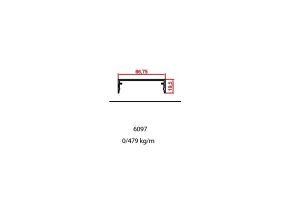
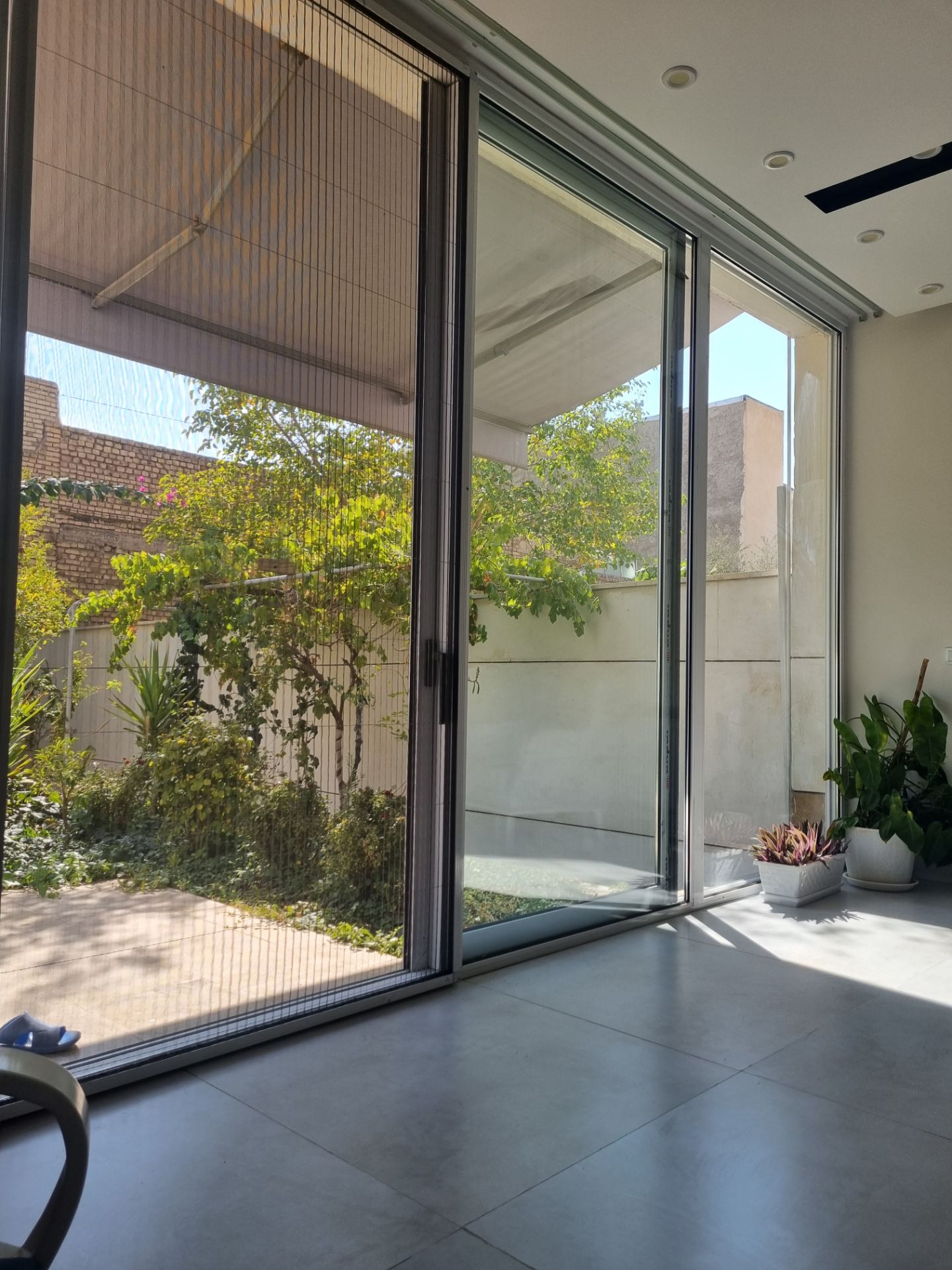
Curtain wall systems are a popular choice for modern buildings because of their sleek aesthetic and ability to provide ample natural light. However, the exposed components of a curtain wall system can be susceptible to damage from the elements. Cover caps are essential for protecting these components and maintaining the long-term performance of the system.
What are cover caps?
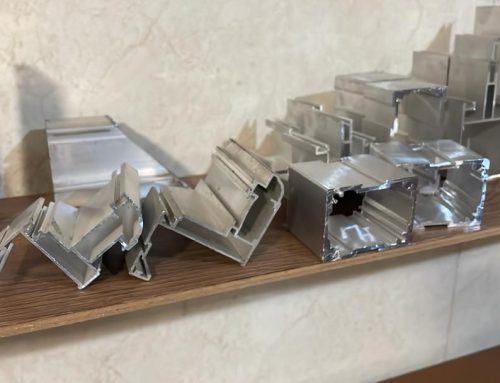
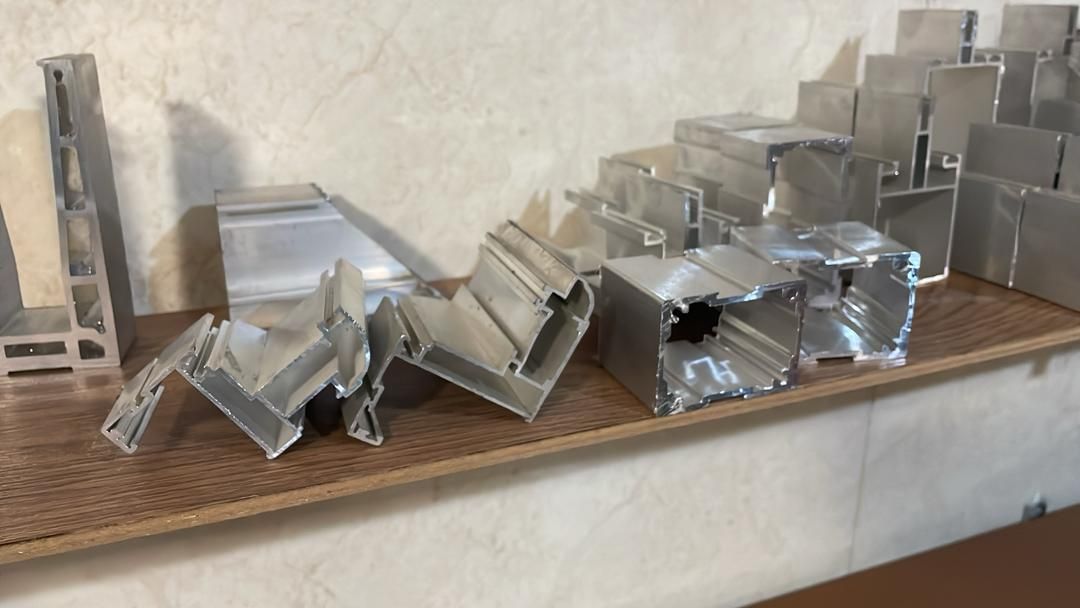
Cover caps are small, protective covers that fit over the ends of curtain wall mullions and transoms. They are typically made of aluminum, but can also be made of other materials such as PVC or stainless steel.
What are the benefits of using cover caps?
There are many benefits to using cover caps in a curtain wall system. Some of the most important benefits include:
- Protection from the elements: Cover caps help to protect the exposed ends of mullions and transoms from rain, snow, ice, and wind. This can help to prevent corrosion, water infiltration, and other types of damage.
- Improved aesthetics: Cover caps can help to improve the overall appearance of a curtain wall system. They can hide unsightly gaps and create a more finished look.
- Reduced maintenance: Cover caps can help to reduce the need for maintenance on a curtain wall system. By protecting the exposed components from damage, they can help to extend the life of the system and reduce the need for repairs.
What to consider when buying cover caps
There are a few things to consider when buying cover caps for a curtain wall system. These include:
- The type of curtain wall system: Different types of curtain wall systems require different types of cover caps. Make sure to choose the right type of cap for your specific system.
- The material: Cover caps can be made of a variety of materials, each with its own advantages and disadvantages. Aluminum is the most common material, but PVC and stainless steel are also popular options.
- The finish: Cover caps are available in a variety of finishes, including anodized, painted, and powder-coated. Choose a finish that will match the existing finishes of your curtain wall system.
- The price: Cover caps can vary in price depending on the material, finish, and size. Get quotes from a few different suppliers before making a purchase.
Where to buy cover caps
Cover caps can be purchased from a variety of suppliers, including curtain wall manufacturers, building materials suppliers, and online retailers. When choosing a supplier, be sure to choose one that has a good reputation and offers a wide selection of products.
Installation Considerations:
- Compatibility: Ensure that the cover caps you choose are compatible with the specific curtain wall system in place. Check manufacturer specifications for compatibility guidelines.
- Installation Methods: Cover caps typically attach using adhesives, screws, or pressure-fit mechanisms. Follow the manufacturer’s instructions for proper installation.
- Weatherproofing: Pay attention to weatherproofing details around the edges of the cover caps to prevent water infiltration and ensure a proper seal.
Maintenance and Inspection:
- Regular Inspections: Regularly inspect cover caps for signs of damage, such as cracks, corrosion, or looseness. Replace damaged caps promptly to maintain system integrity.
- Cleaning: Clean cover caps periodically to remove dirt and debris, which can impact their appearance and performance. Use cleaning methods recommended by the manufacturer.
Additional Factors to Consider:
- Thermal Performance: In some cases, cover caps can contribute to the overall thermal performance of the curtain wall system by reducing heat loss or gain. Consider the thermal properties of the materials used.
- Acoustic Performance: Cover caps can also play a role in the acoustic performance of the system by reducing noise transmission. Choose materials that can help mitigate noise if acoustic performance is a concern.
- Environmental Considerations: Select cover caps made from sustainable materials and finishes that have a low environmental impact, if sustainability is a priority.
The Evolution of Cover Caps:
- Briefly trace the history of cover caps, how they came to be used in curtain walls, and how their design and function have evolved over time.
- Mention any notable innovations or advancements in cover cap technology.
Cover Caps and Architectural Design:
- Discuss how cover caps contribute to the aesthetics and overall design of curtain wall systems.
- Highlight instances where architects have used cover caps creatively to achieve specific design goals.
- Briefly touch on the role of cover caps in sustainable design and energy efficiency.
The Future of Cover Caps:
- Discuss potential future trends in cover cap technology, such as the use of smart materials or self-cleaning finishes.
- Speculate on how the evolving design of curtain walls might influence the design and function of cover caps.
From Humble Protection to Design’s Silent Hero: The Intriguing Story of Cover Caps
Cover caps, those unassuming little guardians at the ends of curtain wall mullions, often go unnoticed. Yet, their story is one of quiet heroism, silently safeguarding the architectural wonders that grace our skylines. Their journey echoes the evolution of modern buildings, from early, purely functional forms to sophisticated design elements playing a crucial role in aesthetics and sustainability.
In the nascent days of curtain walls, cover caps were purely utilitarian. Made from basic metals, their sole purpose was to shield exposed edges from the harsh elements. But as architecture pushed boundaries, so did cover caps. Sleek aluminum replaced rugged steel, offering cleaner lines and a newfound appreciation for their visual impact. Architects began to see them not just as protectors, but as partners in shaping the overall design.
Cover Caps as Design Chameleons:
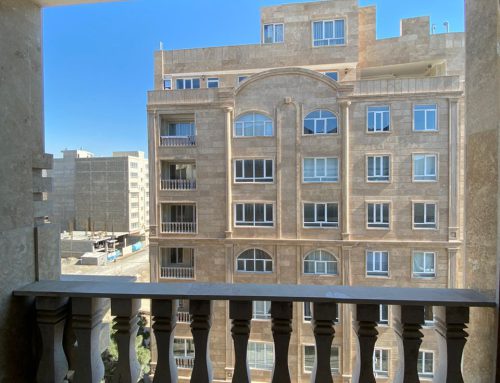
A masterclass in architectural adaptability, cover caps can seamlessly blend into any style. In minimalist glass facades, they disappear, emphasizing the uncluttered expanse. In ornate, textured designs, they become subtle accents, echoing the overall rhythm of the building. Their finishes, from anodized hues to powder-coated textures, allow architects to play with light and shadow, creating visual depth and intrigue.
Beyond aesthetics, cover caps contribute to a building’s sustainability story. By reducing air infiltration and thermal leakage, they can improve energy efficiency. Innovations like insulated caps further enhance this role, turning these once simple protectors into silent green warriors.
The Future Beckons:
The world of cover caps is abuzz with exciting possibilities. Imagine self-cleaning finishes that repel dirt and grime, or integrated sensors that monitor air quality and adjust ventilation accordingly. Smart materials and advanced manufacturing techniques promise a future where cover caps become not just protectors, but active participants in building performance.
As architects push the boundaries of form and function, cover caps will undoubtedly evolve alongside them. From humble beginnings to sophisticated design elements, these guardians of glass stand as a testament to the ever-evolving relationship between technology and aesthetics in modern architecture. So, the next time you gaze at a stunning curtain wall, remember the silent heroes at its edges, the cover caps, small but mighty, ensuring the building’s enduring beauty and performance.

Leave A Comment