
Buy Aluminum billet
Introduction:
Aluminum is a versatile metal widely used in various industries for its lightweight, corrosion-resistant, and durable properties. One of the primary forms in which aluminum is produced and traded is the aluminum billet. In this article, we will explore the reasons why businesses and manufacturers may choose to buy aluminum billets, the advantages they offer, and the considerations to keep in mind during the purchasing process.
What is Aluminum Billet?
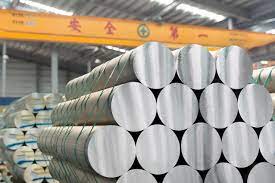
Aluminum billets are semi-finished products made through the process of aluminum extrusion. They are typically cylindrical in shape and can vary in size and weight, depending on the specifications of the end product. The billets serve as raw material for further processing, such as forging, rolling, or extrusion, to create various aluminum products like rods, bars, tubes, and profiles.
Advantages of Buying Aluminum Billets:
- Versatility: Aluminum billets are highly versatile and can be used to manufacture a wide range of products across industries such as automotive, aerospace, construction, and electronics. This adaptability makes aluminum billets a preferred choice for many manufacturers.
- Lightweight: Aluminum is known for its lightweight nature, making it an ideal material for applications where weight is a critical factor. Products made from aluminum billets are easier to transport, handle, and integrate into various designs.
- Corrosion Resistance: Aluminum has natural corrosion-resistant properties, which makes it suitable for use in diverse environmental conditions. This resistance to rust and corrosion ensures the longevity and durability of products made from aluminum billets.
- High Strength-to-Weight Ratio: Despite being lightweight, aluminum possesses a high strength-to-weight ratio. This property makes aluminum billets an excellent choice for applications that require strength without adding excessive weight.
- Recyclability: Aluminum is highly recyclable without losing its inherent properties. Purchasing aluminum billets contributes to a sustainable and eco-friendly manufacturing process, aligning with the growing focus on environmental responsibility.
Considerations When Buying Aluminum Billets:
- Specifications: Clearly define the specifications required for your end product, including dimensions, alloy composition, and surface finish. This ensures that the purchased aluminum billets align with your manufacturing requirements.
- Quality Standards: Verify that the aluminum billets meet industry standards and undergo quality testing. Ensuring the quality of the raw material is crucial for the production of high-quality end products.
- Supplier Reputation: Choose a reputable supplier with a track record of delivering quality aluminum billets. Research the supplier’s reputation, customer reviews, and certifications to ensure reliability and consistency in product quality.
- Price and Value: Consider the overall value proposition rather than focusing solely on the price. Factor in aspects such as quality, reliability, and customer support when evaluating different suppliers.
- Logistics and Lead Times: Evaluate the supplier’s ability to meet your production timelines. Consider logistics, shipping costs, and lead times to ensure a smooth and timely supply chain.
- Customization Options: Some projects may require specific customization of aluminum billets to meet unique design or performance criteria. Ensure that the supplier has the capability to provide tailored solutions, such as custom alloys, shapes, or sizes, to meet the specific needs of your application.
- Technical Support: Consider the availability of technical support from the supplier. A reputable supplier should be able to provide assistance with technical queries, product selection, and guidance on optimizing the use of aluminum billets in your manufacturing processes.
- Documentation and Certifications: Verify that the supplier provides proper documentation and certifications for the aluminum billets. This includes certificates of compliance, mill test reports, and any other relevant documents that attest to the quality and specifications of the materials.
- Supply Chain Stability: Assess the stability of the supplier’s supply chain to minimize the risk of disruptions. Understanding the supplier’s sourcing practices, production capabilities, and inventory management can help ensure a reliable and consistent supply of aluminum billets.
- Long-Term Relationship: Building a long-term relationship with a trusted supplier is beneficial for both parties. Consider factors such as the supplier’s commitment to quality, responsiveness to inquiries, and willingness to work collaboratively to address any challenges that may arise during the course of your business relationship.
- Quality Control Processes: In addition to certifications, inquire about the supplier’s quality control processes. Understanding how the supplier monitors and ensures the quality of their aluminum billets can give you confidence in the consistency and reliability of the materials you are purchasing.
- Industry Compliance: Confirm that the aluminum billets comply with industry-specific standards and regulations. Different applications may have specific requirements, and ensuring compliance with these standards is essential for the safety and performance of the end product.
- Waste Management Practices: Consider the supplier’s commitment to sustainable practices, including waste management. Suppliers with environmentally responsible practices contribute to a more sustainable supply chain, aligning with the growing emphasis on corporate social responsibility.
- Payment Terms and Terms of Service: Carefully review and negotiate payment terms and the supplier’s terms of service. Understanding the financial aspects, including payment schedules, discounts for bulk orders, and warranty terms, is crucial for a transparent and mutually beneficial business relationship.
- Contingency Planning: Assess the supplier’s contingency plans for unexpected events, such as disruptions in the supply chain or changes in market conditions. A reliable supplier should have strategies in place to mitigate risks and ensure a continuous and stable flow of aluminum billets.
- Communication Channels: Effective communication is vital for a successful partnership. Choose a supplier with clear and open communication channels. Being able to easily communicate your requirements, address concerns, and receive updates on orders can significantly enhance the efficiency of your supply chain.
- Feedback and Continuous Improvement: Establish a feedback loop with the supplier to address any issues promptly and foster continuous improvement. A supplier that values feedback and actively seeks ways to enhance their processes is more likely to provide a consistent and high-quality supply of aluminum billets.
- Legal Compliance: Ensure that the supplier adheres to legal requirements in terms of labor practices, environmental regulations, and other applicable laws. This not only reflects the supplier’s commitment to ethical business practices but also minimizes potential legal risks for your business.
- Market Trends and Innovations: Stay informed about market trends and innovations in the aluminum industry. A forward-thinking supplier that keeps pace with technological advancements and industry trends can offer valuable insights and contribute to the success of your projects.
- Conclusion: In conclusion, purchasing aluminum billets involves a comprehensive evaluation of multiple factors to ensure the success and sustainability of your manufacturing processes. By considering the aspects mentioned above, businesses can make well-informed decisions that contribute to the efficiency, quality, and environmental responsibility of their operations. Aluminum billets, as a foundational material, offer a gateway to innovation and growth for industries worldwide, making the careful selection of suppliers a critical element in achieving long-term success.
- Final Inspection and Acceptance: Before finalizing any purchase, plan for a thorough inspection of the received aluminum billets. Establish clear acceptance criteria to ensure that the delivered materials meet the specified standards. This step is crucial to identify and address any discrepancies early in the process.
- Storage and Handling: Once the aluminum billets are delivered, consider the storage and handling procedures. Aluminum can be susceptible to certain environmental conditions, and proper storage practices, such as protecting against moisture and preventing physical damage, can maintain the integrity of the material.
- Documentation Retention: Maintain a comprehensive record of all documentation related to the purchased aluminum billets. This includes invoices, quality certificates, inspection reports, and any other relevant paperwork. Organized documentation is valuable for audits, quality assurance, and compliance purposes.
- Continuous Supplier Evaluation: Establish a system for continuous supplier evaluation. Regularly assess the supplier’s performance in terms of quality, reliability, and adherence to agreed-upon terms. This ongoing evaluation ensures that your supplier continues to meet your expectations and supports the long-term success of your projects.
- Adaptability and Scalability: As your business grows or undergoes changes, ensure that your chosen supplier can adapt and scale accordingly. A supplier with the flexibility to accommodate increased orders or evolving specifications can be a valuable partner in your business journey.
- Industry Relationships: Consider the supplier’s relationships within the industry. Partnerships, collaborations, and affiliations with reputable organizations may indicate a supplier’s commitment to staying at the forefront of industry advancements and adhering to best practices.
- Educational Resources: Choose a supplier that provides educational resources and support. Suppliers that offer training sessions, webinars, or technical resources can assist your team in maximizing the benefits of using aluminum billets and staying informed about the latest developments in the industry.
- Networking Opportunities: Participate in industry events and forums to network with other businesses and professionals. Engaging with the broader community provides opportunities to exchange insights, learn from others’ experiences, and potentially discover new suppliers or collaborations.
- Long-Term Sustainability Goals: Assess the supplier’s commitment to long-term sustainability goals. A supplier aligned with your sustainability objectives can contribute to your company’s environmental initiatives and enhance your overall corporate responsibility.
- Innovation and Research Collaboration: Explore the potential for innovation and research collaboration with your aluminum billet supplier. A forward-thinking supplier may be open to collaborative projects that aim to improve processes, develop new alloys, or enhance the overall performance of aluminum-based products. This collaborative approach can foster a mutually beneficial relationship and contribute to advancements in your industry.
- Feedback Loop and Continuous Improvement: Establish a robust feedback loop with your supplier to address any issues, share insights, and promote continuous improvement. Regular communication ensures that both parties are aligned with expectations and can work together to address challenges promptly. This iterative process enhances the efficiency and effectiveness of the supply chain.
- Technology Integration: Stay abreast of technological advancements in the aluminum industry, and discuss with your supplier how technology can be integrated into the production and supply processes. Automation, data analytics, and other technological innovations can enhance efficiency, reduce costs, and improve the overall quality of aluminum billets.
- Employee Training and Development: Consider the supplier’s commitment to employee training and development. A skilled and knowledgeable workforce is crucial for maintaining high-quality production standards. Inquire about the training programs in place to ensure that the staff involved in the production of aluminum billets are well-equipped with the necessary skills.
- Ethical Business Practices: Confirm that the supplier adheres to ethical business practices. This includes fair labor practices, responsible sourcing of raw materials, and transparent business transactions. Ethical considerations are increasingly important for businesses and consumers alike, and aligning with ethically responsible suppliers can enhance your company’s reputation.
- Market Trends and Consumer Preferences: Continuously monitor market trends and consumer preferences related to aluminum products. Understanding evolving market demands allows you to adapt your product offerings accordingly and ensures that the aluminum billets you purchase align with the changing needs of your target audience.
- Risk Management Strategies: Develop comprehensive risk management strategies in collaboration with your supplier. Identify potential risks in the supply chain, such as geopolitical factors, market fluctuations, or disruptions in the aluminum production process, and work together to implement proactive measures to mitigate these risks.
- Social Responsibility Initiatives: Evaluate the supplier’s social responsibility initiatives. Suppliers engaged in community development, environmental conservation, or other social responsibility activities contribute to a positive industry image and demonstrate a commitment to making a meaningful impact beyond their immediate business operations.
- International Considerations: If your business involves international trade, be mindful of any regulatory requirements, tariffs, or geopolitical factors that may impact the supply of aluminum billets. Stay informed about international trade policies and work closely with your supplier to navigate any challenges that may arise.
Conclusion: In the ever-evolving landscape of manufacturing and supply chain management, the considerations for buying aluminum billets extend beyond immediate requirements. By embracing collaboration, innovation, and a commitment to ethical and sustainable practices, businesses can establish enduring partnerships with their suppliers. The dynamic relationship between manufacturers and aluminum billet suppliers forms the foundation for a resilient, adaptive, and forward-thinking industry that continually strives for excellence and positive contributions to the global market.






Leave A Comment