
Building facade design cost
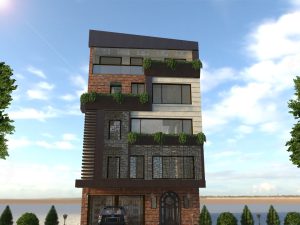
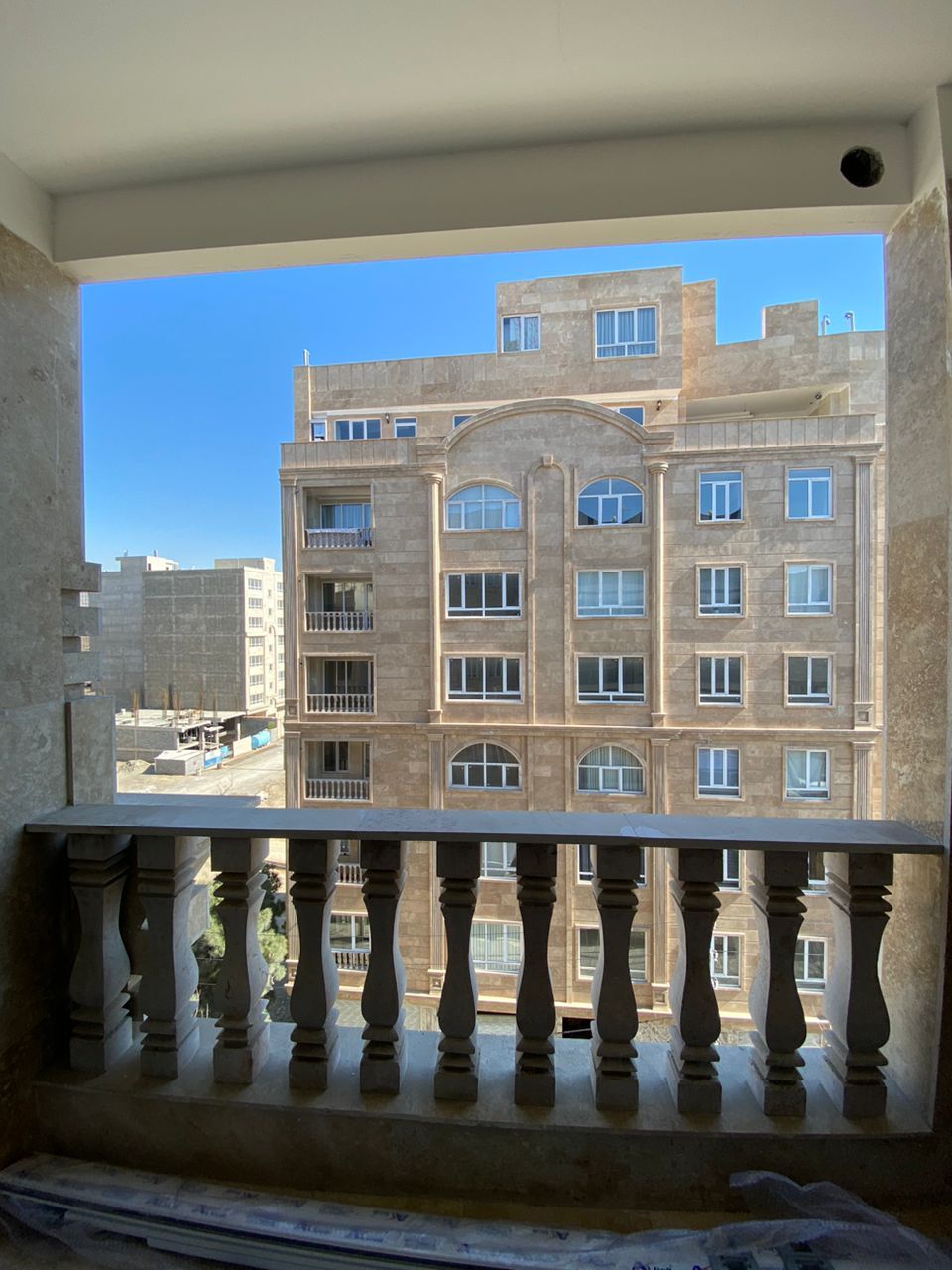
The facade of a building is one of the most important components of its design. It serves as the public face of the building, providing the first impression to those who see it. The facade also plays a critical role in the building’s energy efficiency, as it is responsible for regulating the flow of heat and light into the building. As such, designing and constructing a building’s facade can be a significant expense. In this article, we will explore the various factors that contribute to the cost of building facade design.
Material Selection
The materials used in the construction of a building’s facade are a significant contributor to the cost of the project. The selection of materials is typically based on a combination of aesthetic and functional considerations. For example, a building located in a hot climate may require materials that are reflective and resistant to heat absorption. On the other hand, a building in a cold climate may require materials that provide insulation and retain heat.
The most common materials used in facade construction include glass, metal, concrete, and stone. Each material has its own unique properties and costs associated with it. For example, glass is an excellent choice for maximizing natural light, but it can be expensive to install and maintain. Metal is durable and resistant to weathering, but it may require periodic maintenance to prevent corrosion. Concrete is a cost-effective option, but it may not offer the same aesthetic appeal as other materials.

Design Complexity
The complexity of the design is another factor that can significantly impact the cost of a building’s facade. A simple, straightforward design will typically cost less than a complex, intricate design that requires more time and materials to construct. Additionally, designs that require custom fabrication or specialized components will also increase the cost of the project.
The complexity of a design can be influenced by several factors, including the size and shape of the building, the intended use of the building, and the architect’s vision for the project. For example, a building with curved walls or irregular shapes will require more complex design and construction techniques than a rectangular building.
Size and Height of the Building
The size and height of the building also play a significant role in the cost of the facade design. Taller buildings require more materials and specialized equipment to construct, which can drive up the cost of the project. Additionally, the size of the building can impact the design complexity, as larger buildings may require more intricate design elements to create a cohesive appearance.
Climate Considerations
The climate in which the building is located can also impact the cost of the facade design. Buildings in hot, humid climates may require additional ventilation and shading systems to regulate the flow of heat and light into the building. In contrast, buildings in colder climates may require insulation and other measures to prevent heat loss and maintain a comfortable indoor temperature.
Energy Efficiency Requirements
Energy efficiency is becoming an increasingly important consideration in building design, and the facade plays a critical role in the energy performance of a building. The design of the facade can impact the amount of natural light that enters the building, as well as the amount of heat that is transferred into or out of the building. The selection of materials and construction techniques can also impact the energy efficiency of the facade.
Energy-efficient facades typically require more advanced materials and construction techniques than traditional facades, which can increase the cost of the project. However, the long-term energy savings and environmental benefits of an energy-efficient facade may justify the higher upfront costs.
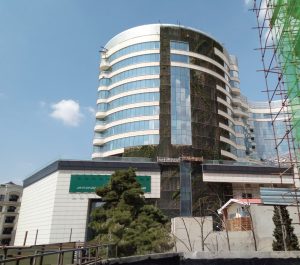
All-focus
Building Codes and Regulations
Building codes and regulations can also impact the cost of a building’s facade design. Local building codes may dictate the types of materials and construction techniques that are allowed in a particular area. Additionally, certain regulations may require additional safety features, such as fire-resistant materials or impact-resistant glass, which can increase the cost of the project.
Labor and Installation Costs
The cost of labor and installation is another important consideration in the cost of building facade design. The installation of a building’s facade requires skilled labor and specialized equipment, which can be expensive. Additionally, the complexity of the design and the size of the building can impact the time and labor required to complete the installation.
Labor costs can vary depending on the location of the project and the availability of skilled labor in the area. Additionally, the cost of installation may be impacte by other factors such as site access, weather conditions, and local regulations.
Maintenance and Repair Costs
Finally, it is important to consider the ongoing maintenance and repair costs associated with a building’s facade. The materials used in facade construction can be susceptible to weathering, corrosion, and other types of damage over time.
Regular maintenance and repairs may be require to ensure the facade remains in good condition and continues to perform as intended.
The cost of maintenance and repairs can vary depending on the materials used in the facade and the extent of the damage. For example, repairs to glass facades may be more expensive than repairs to concrete facades. Additionally, the accessibility of the facade can impact the cost of maintenance and repairs, as well as the frequency of inspections and maintenance.
Conclusion
Building facade design is a complex and multi-facete process that can be impacte by a wide range of factors. The materials used in the facade, the complexity of the design, the size and height of the building, and the climate and energy efficiency requirements are all important considerations in the cost of the project.
Additionally, labor and installation costs, as well as ongoing maintenance and repair costs, must be take into account when assessing the overall cost of building facade design.
While building facade design can be a significant expense, it is an important investment in the long-term performance and aesthetics of the building. By carefully considering the various factors that impact the cost of facade design, architects, developers, and building owners can make informed decisions and ensure that their projects are successful and sustainable for years to come.

Hi there,
We run an Instagram growth service, which increases your number of followers both safely and practically.
– We guarantee to gain you 400-1000+ followers per month.
– People follow you because they are interested in you, increasing likes, comments and interaction.
– All actions are made manually by our team. We do not use any ‘bots’.
The price is just $60 (USD) per month, and we can start immediately.
If you’d like to see some of our previous work, let me know, and we can discuss it further.
Kind Regards,
Libby